A client may enter your clinic carrying more than a sore shoulder or a demanding training schedule. They may be dealing with poor sleep, constant stimulation, shallow recovery, and the accumulated pressure of modern work. The top bioactive wellness technologies for clinics respond to that wider reality by supporting the body through non-invasive, repeatable experiences that feel restorative from the moment a client arrives.
For clinics, spas, rehabilitation centers, and premium hospitality settings, the strongest investment is rarely the most dramatic standalone device. It is the technology that fits a clear treatment philosophy, is easy for staff to deliver consistently, and gives clients a reason to return. The following categories deserve serious consideration when building a modern recovery environment.
What Makes a Wellness Technology Bioactive?
Bioactive wellness technology is designed to interact with biological processes rather than simply create a pleasant atmosphere. Depending on the modality, it may use specific wavelengths of light, controlled temperature, pressure, sensory cues, or breathing conditions to encourage relaxation, circulation, muscular recovery, and a regulated nervous-system response.
That does not mean every device should be presented as a medical treatment. Clinics need clear boundaries between wellness support and clinical care. Claims should align with the device’s intended use, applicable regulations, professional oversight, and the individual client’s health status. The opportunity is substantial, but credibility matters more than exaggerated promises.
A useful rule is simple: choose technologies that can be explained in one clear sentence and experienced in one session. If clients understand what the experience is for, they are more likely to use it consistently.
Top Bioactive Wellness Technologies for Clinics
Red and Near-Infrared Photobiomodulation
Photobiomodulation, often called red light therapy, uses targeted red and near-infrared wavelengths to support cellular energy processes. In a clinic environment, it is commonly positioned around recovery, post-exercise readiness, skin vitality, relaxation, and general regenerative support.
Its appeal is practical as well as scientific. Sessions are non-invasive, quiet, and easy to integrate before or after a massage, physiotherapy appointment, training session, or spa treatment. A well-designed system also creates a visibly premium experience without requiring substantial client effort.
The trade-off is that quality varies widely. Wavelength selection, irradiance, treatment distance, session protocols, and device design all influence the experience. A clinic should avoid treating photobiomodulation as a decorative red glow. Staff education and a consistent protocol are essential if the technology is to become a trusted part of a recovery plan.
Nature-Inspired Light-Activated Air Revitalization
The condition of the space affects the condition of the session. A treatment room can have excellent equipment, but if it feels stagnant, overly clinical, or disconnected from calm, clients may never fully settle into recovery.
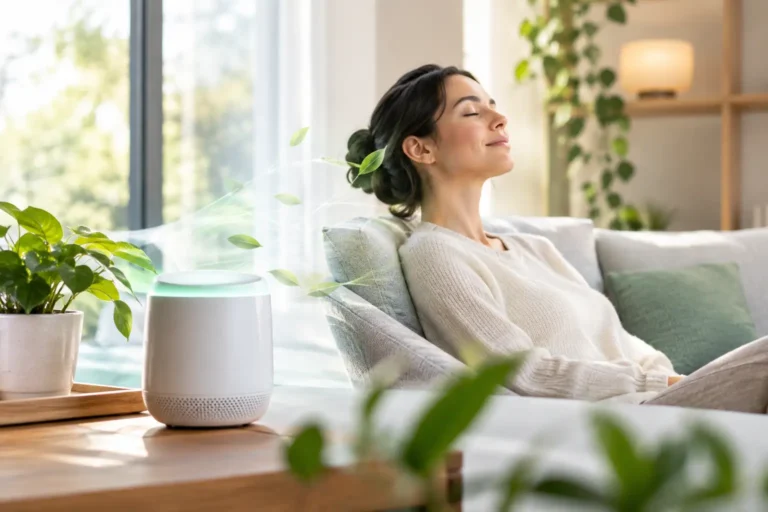
Nature-inspired, light-activated air revitalization brings a different layer to wellness design. It is intended to create a fresher, more restorative breathing environment that supports a sense of ease, mental clarity, and comfort in shared or private spaces. This can be especially meaningful in treatment rooms, relaxation areas, hotel wellness suites, and premium office recovery zones.
For clinics serving clients with high stress, respiratory sensitivities, or demanding schedules, the environmental experience should not be an afterthought. It becomes part of the service itself. The best approach is to integrate it quietly into the room so clients notice the effect of the environment without feeling surrounded by machinery.
Compression Therapy Systems
Compression systems use controlled pneumatic pressure around the legs, arms, or hips. They are widely used in sports recovery settings and are increasingly relevant for wellness clinics serving active adults, frequent travelers, and clients who spend long hours sitting or standing.
A compression session can be operationally efficient. It can run in a comfortable lounge setting, requires relatively little active staff time after setup, and pairs naturally with guided breathing, meditation, or a photobiomodulation session. This makes it a strong option for clinics seeking high-value recovery services with a manageable footprint.
Still, it is not appropriate for everyone. Screening matters, particularly for clients with vascular concerns, acute injury, pregnancy-related considerations, or other health conditions. A clear intake process protects clients and strengthens professional trust.
Heat and Contrast Recovery Experiences
Saunas, infrared heat systems, and controlled contrast therapy can create a powerful ritual around recovery. Heat may support relaxation, perceived muscle comfort, and a transition away from the pace of the day. Contrast formats, when used appropriately, add an energizing element that appeals to performance-oriented clients.
This category is highly experiential, which makes it valuable for hospitality and membership models. Clients often remember the feeling of stepping out of a thoughtfully designed heat session more than the technical specification of the equipment. Yet operational demands are higher than they are for many light-based systems. Ventilation, cleaning, water management, safety procedures, and staff supervision all need careful planning.
A clinic does not need every thermal modality to create value. A compact infrared cabin may suit a private studio, while a larger spa may benefit from a more elaborate thermal circuit. The right decision depends on available space, staffing, client flow, and the desired pace of service.
HRV, Breathwork, and Biofeedback Tools
Many clients do not need more stimulation. They need evidence that they can downshift. Heart rate variability, guided breathwork, and biofeedback technologies help make the nervous-system side of wellness more visible and actionable.
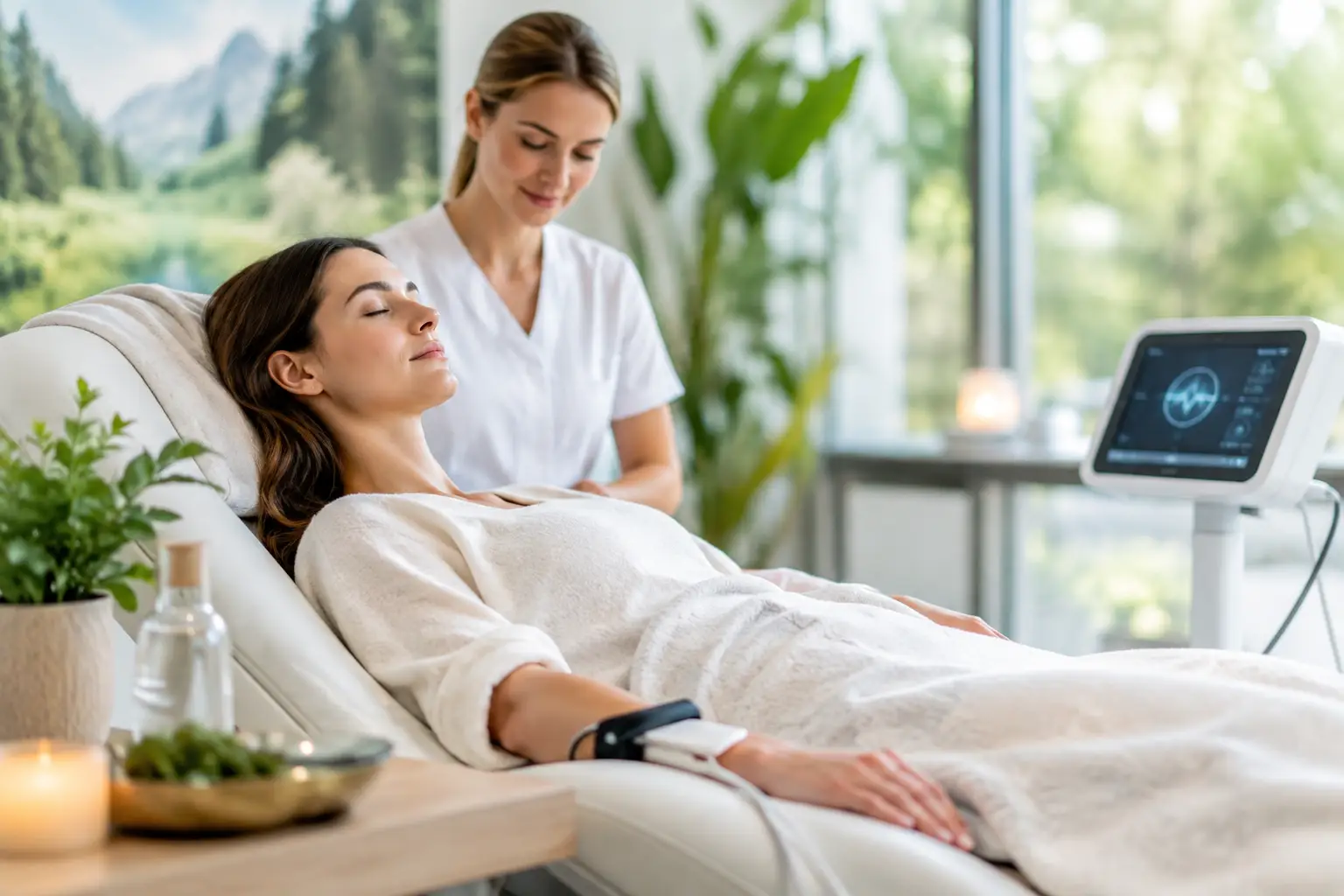
These tools can be used as a short intake experience, a reset between treatments, or a structured program for clients working on stress resilience and sleep habits. They also give wellness professionals a practical way to personalize recommendations without relying only on subjective impressions.
The limitation is that data can easily become noise. A clinic should use a few meaningful measurements and explain them in plain language. The goal is not to turn every guest into a performance dashboard. It is to help clients recognize patterns and build recovery practices they can sustain.
Why Integrated Environments Outperform Isolated Devices
A red-light session is valuable. A restorative breathing environment is valuable. Guided downregulation is valuable. Their combined effect can be greater because clients experience recovery as a coherent state rather than a sequence of disconnected services.
This is the principle behind HealthWise wellness environments, which unite Forest Air’s light-activated air revitalization with Nircura’s red and near-infrared photobiomodulation technology. The concept is designed for contemporary spaces where recovery needs to feel natural, elegant, and practical, whether that is a clinic room, hotel suite, workplace, or private setting.
Integration also improves commercial clarity. Instead of selling a menu of devices, a clinic can offer a defined recovery ritual: arrive, breathe, settle, receive targeted light exposure, and leave feeling ready to return to the day with greater ease. This makes the service easier to communicate, package, and repeat.
How Clinics Should Choose the Right Mix
Start with the client you serve most often. A sports-focused center may prioritize photobiomodulation and compression. A rehabilitation or stress-recovery practice may place more value on a calm environment, guided breathwork, and light-based regeneration. A hotel wellness program may need technologies that are intuitive, quiet, and available with minimal staff intervention.
Then assess the operational reality. Ask how long each session takes, how much training staff need, how the technology is cleaned and maintained, and whether it can be offered as a standalone appointment or added to existing services. A beautiful device that sits unused is not a premium investment.
Finally, design the physical journey. Privacy, lighting, acoustics, seating, and staff language influence outcomes as much as the equipment itself. Clients should not feel rushed into a device. They should feel guided into a recovery experience with a clear purpose.
The most valuable wellness technology is the one that earns a place in a client’s routine. Build around experiences that are safe, understandable, and genuinely pleasant to repeat, and your clinic can become a destination for the kind of recovery modern life keeps asking for.