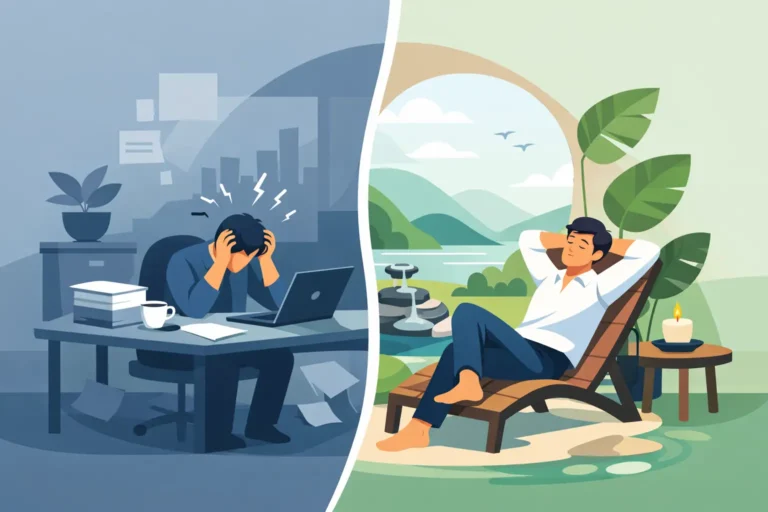

A demanding schedule does not only consume time. It also places a steady load on the nervous system, sleep quality, concentration, and the body’s ability to reset. The most effective recovery methods are not reserved for athletes or spa weekends. They are practical, repeatable choices that help the body move from constant output toward genuine restoration.
For individuals, families, hotels, offices, and wellness professionals, recovery is increasingly a design question: What conditions make it easier to breathe deeply, sleep well, reduce tension, and feel ready for the next day? The answer is rarely one intervention. It is a coordinated environment that supports the body’s natural regenerative processes.
Recovery Is More Than Rest
Rest and recovery are related, but they are not identical. Someone can spend an evening on the couch while still feeling mentally overstimulated, physically tense, and unable to sleep. Recovery is the process of returning toward a more balanced state after stress, exertion, travel, poor sleep, intense work, or emotional pressure.
That process has several dimensions. Physical recovery involves muscles, circulation, mobility, and sleep. Mental recovery includes reduced cognitive overload and the ability to focus without feeling depleted. Environmental recovery concerns the spaces where people spend their time – especially bedrooms, hotel rooms, treatment areas, and workplaces.
This is why a single solution rarely addresses the full picture. A workout may improve physical resilience but cannot compensate for chronically fragmented sleep. Meditation may calm the mind, yet it does not replace movement or a supportive recovery environment. The strongest approach combines simple habits with technologies and surroundings that make those habits easier to sustain.
Core Recovery Methods That Work Together
The best recovery plan should feel realistic, not demanding. It should fit a business traveler after a long flight, a parent managing a busy household, an office team facing sustained deadlines, or a wellness client rebuilding healthier routines. The following methods provide a reliable foundation.
Sleep as a Recovery System
Sleep is not passive downtime. During quality sleep, the body regulates stress responses, supports immune function, consolidates memory, and repairs everyday wear from physical and mental activity. Quantity matters, but consistency matters as well.
A regular sleep and wake schedule gives the body stronger cues. Reducing bright screen exposure late in the evening, keeping the room comfortably cool, and creating a low-stimulation wind-down period can improve the conditions for rest. For hotel and hospitality settings, this means considering the complete nighttime experience rather than treating sleep as simply a bed and blackout curtains.
Not everyone needs the same routine. A parent with young children or a frequent traveler may need flexibility. Even then, protecting a consistent pre-sleep ritual can provide a useful signal that the day is ending.
Movement That Restores Rather Than Drains
Recovery movement is often low intensity: walking, gentle mobility work, stretching, easy cycling, or light swimming. These activities can reduce stiffness, support circulation, and create a needed transition between a sedentary workday and the evening.
The trade-off is intensity. Hard training can be valuable, but adding it to an already stressed and sleep-deprived body may deepen fatigue rather than relieve it. On demanding days, a 20-minute walk and mobility session may be more restorative than forcing a high-intensity workout.
For offices and wellness centers, accessible movement matters. A recovery culture is easier to build when people have room to walk, stretch, reset posture, and step away from constant screen engagement without treating these actions as a luxury.
Breathing and Nervous-System Downshifting
Stress often changes breathing before people consciously notice it. Breaths become shallow, shoulders rise, and the body remains prepared for the next interruption. Slow, controlled breathing can help create a different signal: the immediate demand has passed.
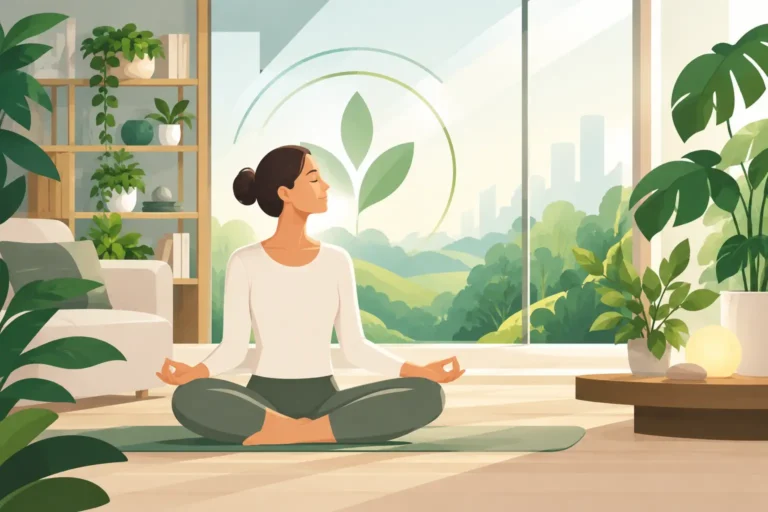
A simple practice is to sit comfortably and extend the exhale slightly beyond the inhale for several minutes. There is no need to force deep breaths or chase a perfect technique. The goal is steadiness. This can be especially useful before sleep, after travel, between demanding meetings, or before a treatment session.
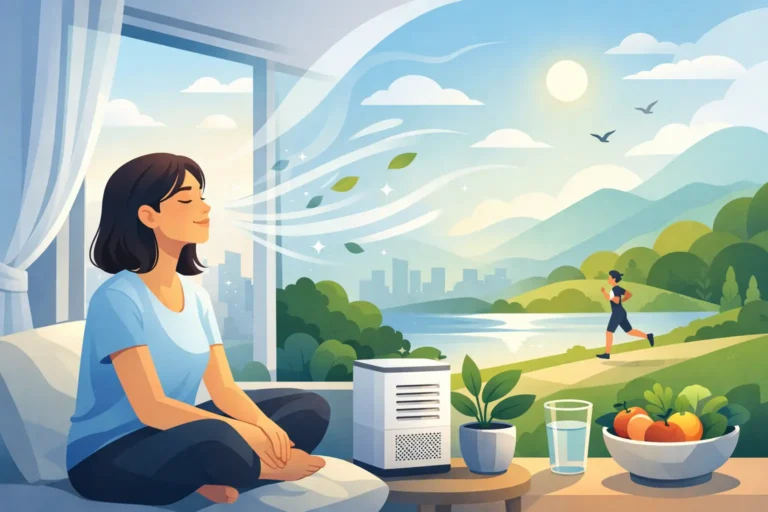
Breathing practices work best when the surrounding environment supports them. A quiet, comfortable space with pleasant sensory conditions creates less friction than trying to reset in the middle of noise, clutter, and constant notifications.
Light, Timing, and Daily Rhythm
Light is one of the body’s strongest cues for timing. Morning daylight can support alertness and help reinforce a regular sleep-wake rhythm. In contrast, bright light and heavy device use close to bedtime may make it harder for some people to transition into sleep.
This does not mean eliminating technology or living by an inflexible schedule. It means using light with more intention. Seek natural daylight earlier in the day when possible. Create softer evening conditions when rest is the priority. In hospitality and wellness environments, thoughtful lighting can help guests and clients shift from arrival mode into a calmer, more restorative state.
Photobiomodulation as a Targeted Regenerative Tool
Red and near-infrared photobiomodulation has become an important part of modern wellness and recovery settings. These specific wavelengths of light are used non-invasively to support cellular processes associated with recovery and tissue function. Many users incorporate sessions into a broader routine for post-exercise support, relaxation, skin wellness, and everyday regeneration.
The practical value lies in consistency and appropriate use. Photobiomodulation is not a replacement for medical care, sleep, nutrition, or movement. It is a complementary tool that can make sense for people seeking a structured, technology-supported recovery practice.
Quality matters here. Professional systems should be selected with clear guidance on intended use, session timing, and safety. Those with medical conditions, photosensitivity, or questions about medications should consult a qualified healthcare professional before beginning a new light-based wellness routine.
Why the Environment Changes the Result
Recovery does not happen in isolation from the environment. The air people breathe, the light around them, the sensory tone of a room, and the availability of restorative tools all influence whether a space feels demanding or replenishing.
This matters in places where people may already arrive depleted. A hotel guest may be dealing with jet lag, unfamiliar surroundings, and high-pressure meetings. A rehabilitation client may need a calm setting that supports a care plan. An executive team may be productive on paper while operating with elevated stress and poor focus. In each case, the room itself can either add friction or support a healthier rhythm.
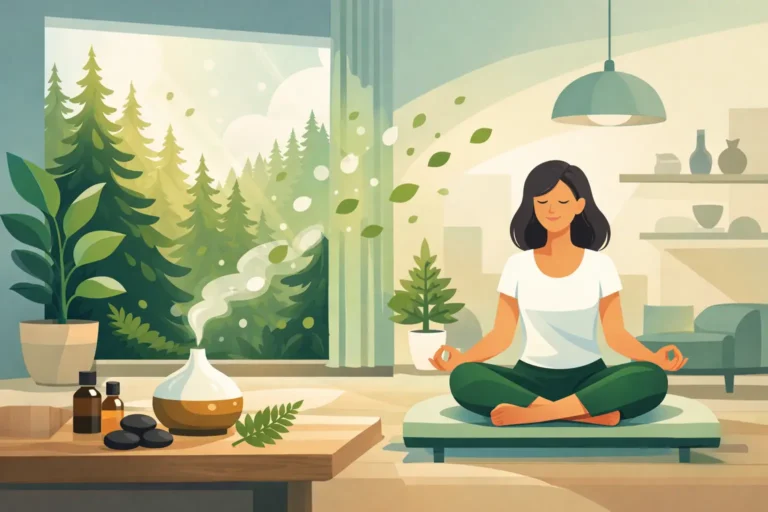
HealthWise approaches this opportunity as an integrated wellness environment. Forest Air’s nature-inspired, light-activated air revitalization is combined with Nircura’s red and near-infrared photobiomodulation technology to create spaces designed around breathing, regeneration, and recovery. The concept is not about adding another isolated device to a room. It is about bringing complementary elements together in a practical format for modern living, hospitality, and professional wellness settings.
For a hotel, this may mean offering guests a premium room experience that supports decompression after travel. For a spa or rehabilitation center, it can create a more complete setting around existing services. For a home, it can establish a dedicated recovery area that feels intentional without becoming clinical.
A Practical Way to Build a Recovery Routine
Start by identifying the point of greatest strain. Is it poor sleep, physical tension, constant mental stimulation, travel fatigue, or a lack of restorative space? The right recovery routine responds to that reality rather than copying someone else’s ideal schedule.
Then choose a few practices that can be repeated most days. A short walk after work, ten minutes of mobility, a phone-free pre-sleep window, and a brief breathing practice are enough to create a meaningful base. From there, targeted tools such as photobiomodulation can add a more structured regenerative element.
For businesses, the same principle applies at a larger scale. Recovery is more credible when it is built into the guest, client, or employee experience. A beautifully designed wellness room has more value when it is easy to use, thoughtfully explained, and connected to real needs such as better sleep, calmer breathing, and improved readiness for the day.
The goal is not to create a perfect routine. It is to create conditions that make recovery more likely, even when life is full. A few intentional minutes, supported by a well-designed environment, can become the quiet advantage that helps people feel more capable tomorrow.