A demanding workday does not always end when the laptop closes. Muscle tension, mental overstimulation, disrupted sleep, and slow recovery can follow people into the evening and accumulate over time. NIR light treatment is a non-invasive wellness approach designed to support the body’s natural recovery processes with targeted near-infrared light.
For people building healthier routines at home, in a hotel wellness setting, or within a professional recovery environment, its appeal is straightforward: it is quiet, comfortable, efficient, and requires no downtime. Yet the value of near-infrared light is not simply that it feels relaxing. It lies in how specific wavelengths interact with the body’s tissues and how thoughtfully the treatment is integrated into a consistent lifestyle.
What is NIR light treatment?
NIR stands for near-infrared. It is a portion of the light spectrum just beyond what the human eye can see. Unlike ultraviolet light, which can damage skin with excessive exposure, near-infrared light is used in photobiomodulation at controlled wavelengths and intensities to support biological activity without invasive procedures.
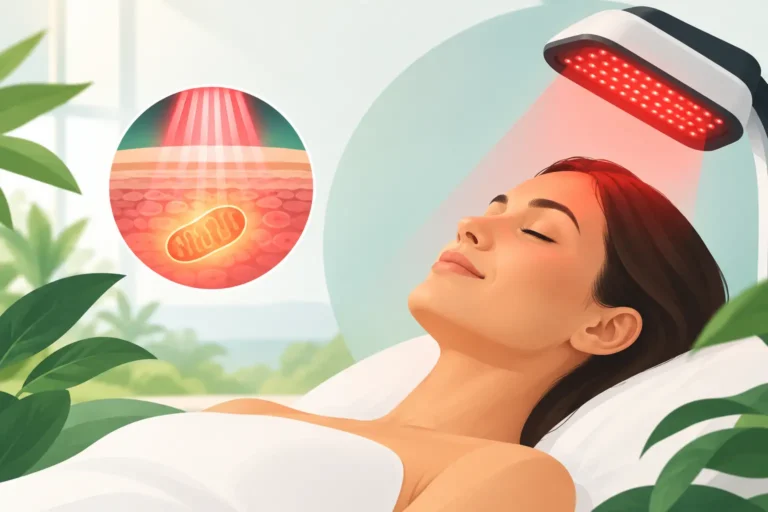
NIR light treatment is often paired with visible red light. Red wavelengths primarily act closer to the surface, making them relevant for skin appearance and superficial tissues. Near-infrared wavelengths can reach deeper into tissue, which is why they are commonly included in recovery-focused sessions targeting muscles, joints, and areas of physical tension.
The goal is not to force the body into recovery. Rather, photobiomodulation is intended to support the cellular conditions that make recovery possible. Cells absorb light energy through chromophores, including components associated with mitochondrial function. Mitochondria help produce adenosine triphosphate, or ATP, the energy currency cells use for normal activity and repair.
This mechanism is still an active area of research, and outcomes depend on the device, wavelength, dose, treatment area, and individual health status. That nuance matters. Quality NIR light treatment should be viewed as a supportive wellness tool, not a replacement for medical care, movement, nutrition, sleep, or rehabilitation prescribed by a qualified professional.
Why near-infrared light belongs in a modern recovery routine
Modern recovery is often treated as an occasional luxury. In reality, it is a daily performance requirement. Professionals need sustained focus without running on stress. Travelers need support when sleep schedules are interrupted. Active individuals need practical ways to care for their bodies between training sessions. Families may want a calm, non-invasive wellness option that fits naturally into the home.
NIR light treatment can serve these needs because sessions are generally easy to incorporate. Depending on the system and intended use, a session may take only a few minutes per treatment area. There is no need for recovery after the session itself, and the experience can be incorporated before work, after exercise, or as part of an evening wind-down routine.
People commonly use red and near-infrared photobiomodulation to support muscle recovery, temporary joint and muscle comfort, skin vitality, circulation, and relaxation. Some people also find that a consistent evening routine helps create a clearer transition away from work and toward rest. The light itself is not a sleep medication, and results are not identical for everyone. Still, a regular recovery ritual can be meaningful when it reduces the friction of taking care of oneself.
For premium hospitality, spa, and rehabilitation environments, this practicality is equally valuable. A well-designed light treatment space can give guests and clients access to a purposeful wellness experience without requiring a large footprint, complicated preparation, or lengthy appointments.
Red light and NIR light: why the combination matters
It is tempting to ask whether red light or near-infrared light is better. In most high-quality applications, that is not the most useful question. They serve complementary roles.
Red light is visible and is generally associated with surface-level applications. Near-infrared light is invisible and is often selected for its deeper tissue reach. Combining the two can create a more versatile session, supporting both outward vitality and deeper recovery needs.
The right balance depends on the purpose. Someone focused on post-exercise recovery may prioritize broader near-infrared exposure to large muscle groups. Someone seeking a skin-focused protocol may place greater emphasis on red wavelengths. A professional setting may use flexible programs to accommodate different goals, from a guest recovering after travel to a client managing a demanding training schedule.
What should not be overlooked is dose. More light is not automatically better. Photobiomodulation is frequently described as having a biphasic response, meaning too little may not produce a meaningful effect, while too much may be less useful than an appropriate dose. This is one reason device quality, session guidance, irradiance, distance from the panel, and treatment time all matter.
What a good NIR light treatment session looks like
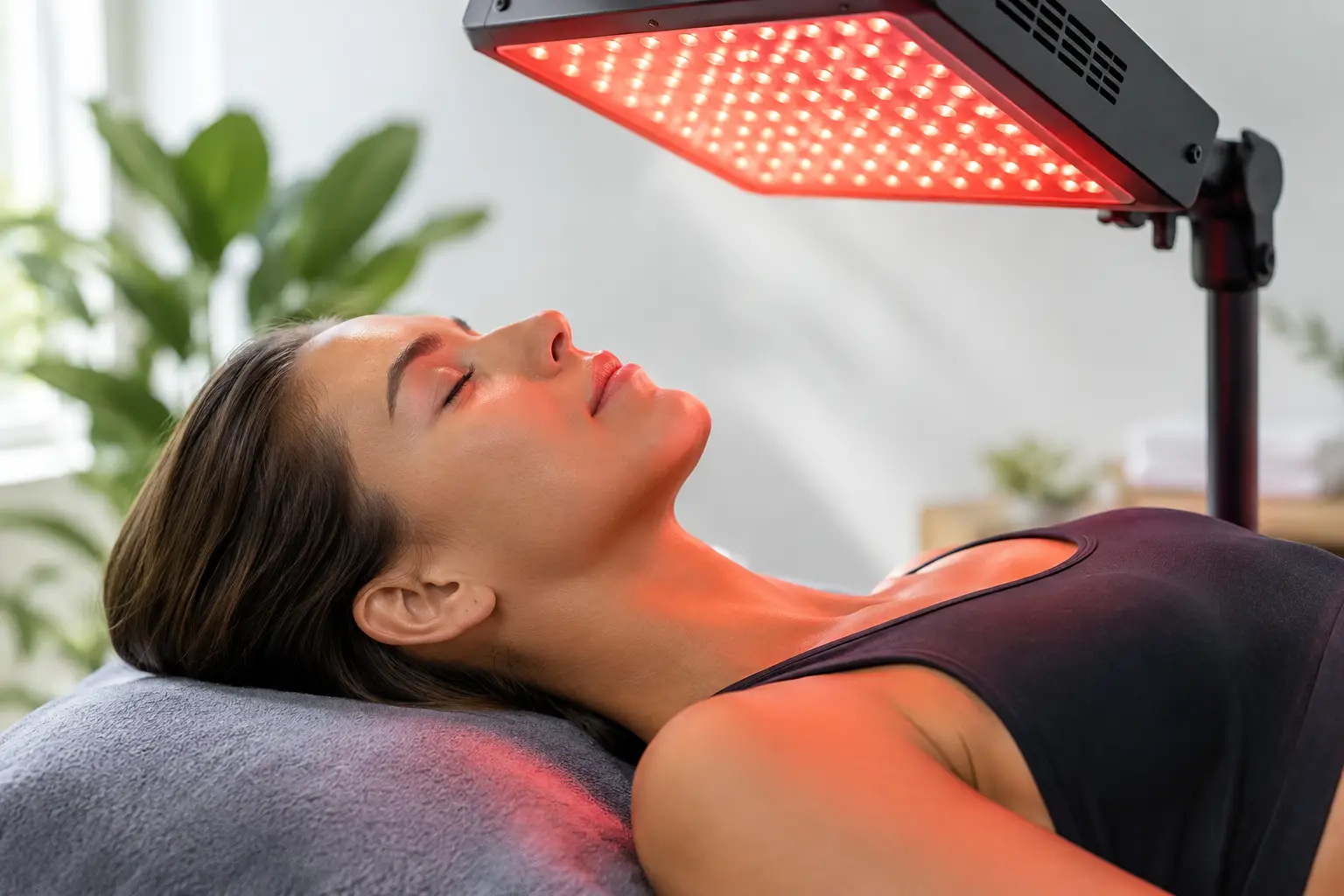
A good session is simple, repeatable, and appropriate to the person’s goals. The skin is typically clean and free of opaque products on the area being treated. The user positions themselves at the recommended distance from the device, exposes the relevant area, and follows the manufacturer’s session guidance.
Consistency is usually more valuable than an overly ambitious first session. A person using NIR light treatment for general wellness may begin with short sessions several times per week, then adjust based on comfort, device specifications, and their goals. Athletic users may schedule sessions around training and recovery. In a hospitality environment, a concise session can be offered as part of a broader restorative experience.
The treatment environment also shapes the result. A bright, noisy room filled with interruptions may deliver light exposure, but it does not necessarily deliver a recovery experience. When near-infrared photobiomodulation is paired with a calm, well-considered environment, it becomes easier for users to pause, breathe, and shift their attention away from constant stimulation.
This integrated approach is central to the HealthWise concept: combining advanced red and near-infrared technology with nature-inspired wellness elements to create recovery spaces that feel refined, practical, and genuinely usable in everyday life.
Choosing a system for home, hospitality, or professional use
Not all light devices are designed for the same purpose. Small handheld devices can be practical for localized areas. Larger panels can support more efficient full-body or large-area sessions. Professional environments may require systems built for frequent use, clear operating protocols, and a polished client experience.
When evaluating a NIR light treatment system, look beyond attractive design and vague promises. The meaningful questions concern the wavelengths provided, irradiance at the recommended treatment distance, coverage area, session controls, build quality, safety features, and the availability of clear instructions. A premium system should make proper use easier, not leave the user guessing.
For hotels, spas, rehabilitation centers, and workplace wellness spaces, implementation matters as much as technology. Consider who will use the system, how privacy will be managed, whether staff need training, and how the treatment fits into the wider guest or client journey. A recovery offering should feel intentional rather than like an isolated device placed in a corner.
Safety and realistic expectations
NIR light treatment is generally regarded as non-invasive and well tolerated when used according to product instructions. Mild temporary warmth or redness can occur, particularly with longer sessions or high-output equipment. Users should follow the recommended distance and duration rather than extending exposure based on the assumption that longer is better.
Eye safety deserves attention. Some systems require or recommend protective eyewear, especially when bright visible red light is involved. Never stare directly into a light source unless the manufacturer specifically states that the system is designed for that use.
People who are pregnant, have a diagnosed medical condition, are managing photosensitivity, take photosensitizing medication, or are undergoing treatment for cancer should speak with a physician or qualified clinician before beginning a light-based protocol. The same applies to unexplained pain, acute injury, or symptoms that need medical assessment. Wellness technology works best when it respects the boundary between supportive care and medical diagnosis.
Results also require realistic expectations. Some users notice changes in comfort, recovery, or routine quickly. Others need several weeks of consistent use before they can judge whether the approach is useful for them. A well-designed protocol is patient, measured, and responsive to the individual.
Make recovery easier to repeat
The most effective wellness practice is rarely the most complicated one. It is the one people can return to when travel is intense, schedules are full, and energy is limited. NIR light treatment offers a practical way to make recovery more present in the places where modern life actually happens.
Choose technology with credible specifications, use it consistently, and give the session a place within a broader rhythm of sleep, movement, nourishment, and calm. When recovery is designed into the environment instead of saved for a rare free day, it becomes a stronger foundation for how people live and perform.