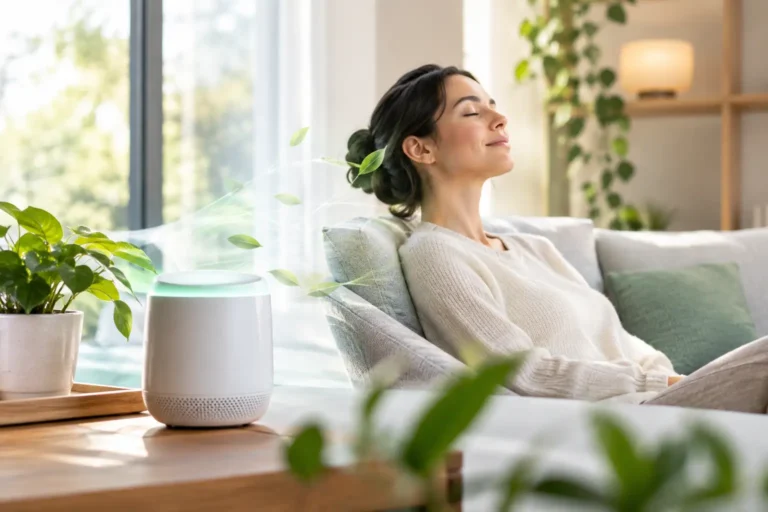

A rehabilitation room can have skilled clinicians, thoughtful programs, and strong patient motivation, yet still feel like a place people want to leave as quickly as possible. The environment matters. Rehabilitation center wellness equipment should do more than fill a treatment room. It should help create conditions where patients can settle, breathe comfortably, rest between sessions, and engage with recovery more consistently.
For modern rehabilitation providers, the opportunity is not to replace clinical care with wellness technology. It is to strengthen the recovery setting around it. Carefully selected environmental and regenerative tools can support a more complete patient experience while giving the center a clear, premium point of difference.
What Rehabilitation Center Wellness Equipment Should Deliver
The best equipment choices begin with a simple question: what does this add to the patient journey? A device may be technically impressive, but if it complicates staff workflows, overwhelms a quiet space, or has no clear role in the care environment, it will not deliver lasting value.
A well-designed wellness layer should support comfort, recovery routines, and the perceived quality of care. In practical terms, this means equipment that is non-invasive, intuitive to operate, appropriate for the population being treated, and easy to integrate into existing rooms and schedules.
For some centers, the priority is helping patients decompress before or after physically demanding therapy. For others, it is creating a more restorative private treatment area, a premium recovery suite, or a calm setting for guests managing stress, sleep disruption, or prolonged fatigue. The right answer depends on the clinical model, available space, staffing, and the needs of the people walking through the door.
Build Recovery Around the Whole Environment
Rehabilitation is rarely only physical. A patient recovering from surgery, injury, chronic discomfort, or burnout may also be dealing with poor sleep, anxiety about progress, reduced mobility, and a loss of everyday routine. That does not mean a wellness system should make medical promises. It means the environment should recognize that recovery has emotional and sensory dimensions as well.
This is where a more integrated approach becomes valuable. Rather than treating air quality, lighting, and regenerative technology as unrelated upgrades, leading facilities are designing spaces where these elements work together. The result can feel less institutional and more intentional: a room that supports calm before treatment and a sense of renewal afterward.
Nature-inspired, light-activated air revitalization can contribute to a fresher, more comfortable atmosphere in enclosed wellness areas. In parallel, red and near-infrared photobiomodulation systems can be introduced as a non-invasive wellness modality within an appropriately designed recovery routine. These wavelengths are widely used in wellness settings to support relaxation and regeneration goals, but their role should always be explained responsibly and matched to the center’s protocols.
The experience matters as much as the specification sheet. Patients are more likely to use a wellness space regularly when it feels simple, private, and reassuring rather than overly technical or clinical.
Red and Near-Infrared Light in Recovery Spaces
Photobiomodulation is often discussed in highly scientific language, which can create distance between the technology and the person using it. At its most practical, a red and near-infrared light session offers a quiet, non-invasive moment within a recovery environment. Depending on the system and protocol, it may be used before a therapy session, after exercise-based rehabilitation, or as part of a restorative wellness offering.
For operators, the key is not to position light therapy as a universal answer. It is one component in a broader service model. Clinical assessment, medical guidance, and hands-on therapy remain central where they are required. Light-based wellness equipment should complement those services, not compete with them.
When evaluating a system, consider treatment coverage, session controls, ease of cleaning, room footprint, and staff training. A device that requires complicated setup or constant supervision may be a poor fit for a busy center. On the other hand, a thoughtfully placed system with clear operating procedures can become a valued part of a structured recovery experience.
Centers should also establish clear communication standards. Speak about comfort, relaxation, and wellness support without overstating outcomes. Clients appreciate confidence, but they trust facilities that are transparent about what a technology can and cannot do.
Design the Session, Not Just the Room
A light system placed in an unused corner is not a program. The value comes from how the session is introduced, scheduled, and supported. A short orientation, a defined time window, comfortable seating or positioning, and a calm transition back into the day can make the experience feel purposeful.
This is especially relevant for hotels with rehabilitation services, premium spas, and multidisciplinary wellness centers. A guest may have limited time, so the environment needs to communicate its benefit quickly: this is a place to pause, recover, and return to activity with greater ease.
Air Revitalization as Part of Patient Comfort
People notice the atmosphere of a rehabilitation center before they understand its equipment. They notice whether a room feels stale, whether it encourages slow breathing, and whether the space feels calm or rushed. Environmental comfort can influence how willing a person feels to remain present during treatment and recovery time.
Forest Air‘s nature-inspired, light-activated air breathing concept offers a distinctive approach for spaces where atmosphere is part of the service. It is particularly relevant in private recovery rooms, wellness suites, executive health environments, and hospitality settings that want to create a more refined sensory experience.
The business case is not simply about adding another device. It is about creating a recovery environment that feels considered from the moment a patient enters. When combined with regenerative light technology, the space can offer a coherent wellness experience rather than a collection of disconnected products.
HealthWise brings these complementary approaches together for partners who want an elegant, practical wellness environment. The concept is especially suited to operators looking beyond standalone equipment and toward a more complete recovery setting.
How to Choose Equipment Without Overbuilding
A common mistake is trying to create a high-end wellness room by purchasing too much at once. More equipment does not automatically create more value. It can increase maintenance demands, confuse clients, and leave staff with tools they are not fully prepared to use.
Start with the most relevant use case. Is the goal to elevate patient comfort in a rehabilitation clinic? To add a restorative experience to a hotel wellness floor? To create a private recovery room for high-performing professionals? Each use case calls for a different layout, session model, and investment level.
Next, assess the operational reality. Consider electrical requirements, ventilation, cleaning procedures, staff education, consent processes, and how sessions will be booked. If equipment cannot be used reliably during a normal week, its theoretical benefits will not translate into meaningful returns.
Finally, think about the visual language of the room. Premium wellness is not defined by excess. It is defined by clarity, comfort, and confidence. Warm materials, considered lighting, uncluttered surfaces, and a clear patient flow can make advanced technology feel natural rather than intimidating.
Train Staff to Explain Value Clearly
Staff training is one of the strongest predictors of adoption. Therapists, wellness coordinators, and front-desk teams do not need to become technical specialists, but they should be able to explain the purpose of each element in plain language.
A useful explanation is concise: this space is designed to help you slow down, feel more comfortable, and support your recovery routine through a calm environment and non-invasive wellness technologies. That is more compelling than a long technical explanation delivered at the wrong moment.
Training should also cover appropriate screening, manufacturer guidance, contraindications where applicable, hygiene procedures, and when to refer questions to a qualified clinician. Responsible implementation protects both the client and the reputation of the center.
A Stronger Standard for Rehabilitation Environments
The future of rehabilitation facilities is not about making every room look like a luxury spa. It is about recognizing that surroundings can either support recovery or work against it. Patients and guests increasingly expect environments that respect their time, comfort, and broader well-being.
The most successful facilities will choose rehabilitation center wellness equipment with the same care they apply to treatment planning: guided by a real need, integrated into daily operations, and communicated with integrity. When the room itself helps people feel calmer, more cared for, and more willing to return, it becomes part of the recovery experience.
A well-designed wellness space gives people something valuable that cannot be reduced to a single device: a reliable place to pause, restore, and prepare for what comes next.