A hard session can feel productive in the moment. The real question is whether your body is ready to train well again tomorrow. Athlete recovery tools are not shortcuts around disciplined training. Used with intention, they help create the conditions in which the body can repair, the nervous system can settle, and consistent performance becomes more realistic.
For athletes, active professionals, coaches, and wellness operators, recovery is no longer a single post-workout stretch. It is a system. Sleep quality, respiratory comfort, nutrition, circulation, stress regulation, and light exposure all shape how a person feels between sessions. The best tools do not promise to replace these foundations. They make it easier to protect them.
What Recovery Actually Needs
Training creates a useful stress signal. Muscles experience microscopic disruption, energy stores are depleted, and the nervous system works hard to coordinate movement, focus, and effort. Adaptation happens after the workout, when the body has sufficient time, fuel, rest, and a supportive environment.
That is why soreness alone is not a reliable recovery score. An athlete may have little muscle soreness yet still be carrying fatigue through poor sleep, elevated stress, low motivation, disrupted breathing, or declining coordination. Conversely, mild soreness after a new or demanding session can be completely normal.
A more useful question is: what is limiting recovery today? For one person, it may be a late-night work schedule. For another, it may be heavy legs after travel, an overstimulated nervous system, or an environment that makes calm, restorative sleep harder to achieve. The right approach matches the tool to the constraint.
Athlete Recovery Tools That Earn Their Place
The market is crowded with products that look impressive but add little to a thoughtful routine. A worthwhile recovery tool should have a clear purpose, fit the athlete’s actual schedule, and be used consistently enough to matter.
Sleep and environmental support
Sleep remains the highest-value recovery practice available. During quality sleep, the body supports tissue repair, metabolic balance, learning, and emotional regulation. No device can compensate for consistently short or fragmented sleep.
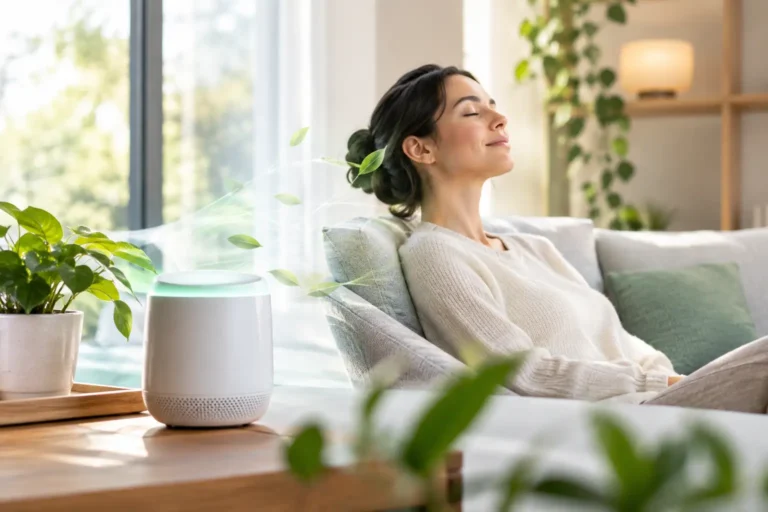
The sleeping environment still matters. A cool, quiet, low-stimulation room supports rest, while the quality of the immediate wellness environment can influence how easily someone unwinds after high-demand days. Nature-inspired air revitalization can be a valuable part of a recovery space when the goal is to create a fresher, calmer setting for breathing, relaxation, and sleep preparation.
This is especially relevant for hotels, rehabilitation settings, and high-performance homes. A recovery room should not feel like a storage area for equipment. It should feel intentional: comfortable lighting, a place to lie down, and a calm sensory atmosphere that helps the body shift out of constant alertness.
Red and near-infrared photobiomodulation
Red and near-infrared light systems are increasingly used in performance and wellness settings for photobiomodulation, a noninvasive approach that delivers specific wavelengths of light to tissue. Depending on the device, dosage, treatment area, and individual, users may seek support for local muscle comfort, relaxation, and recovery routines.
The details matter more than the trend. Light wavelength, irradiance, distance from the panel, session duration, and treatment frequency all affect the dose. More is not automatically better. An overly long session is not necessarily more effective than a well-designed protocol followed consistently.
Photobiomodulation is best viewed as a complementary tool. It can sit naturally alongside sleep, mobility work, nutrition, and sensible training progression, rather than being treated as a solution for an injury, severe pain, or unexplained loss of performance. Athletes with medical conditions, photosensitivity, or concerns about medications should seek qualified medical guidance before using light-based devices.
Compression, heat, and cold
Compression boots, sauna sessions, cold-water immersion, and contrast therapy can each be useful in the right setting. They are also a good example of why recovery should be individualized.
Compression may feel helpful after long travel, standing, or endurance events, particularly when an athlete wants a simple period of stillness after physical load. Heat can support relaxation and a sense of looseness, but it also adds physiological stress and requires adequate hydration. Cold exposure can reduce the immediate perception of soreness and may be practical during congested competition schedules.
There is a trade-off: frequent cold immersion immediately after resistance training may not be ideal when maximizing long-term muscle adaptation is the primary objective. In that case, the same tool that feels good after training may not align with the larger plan. Context determines value.
Mobility and self-release tools
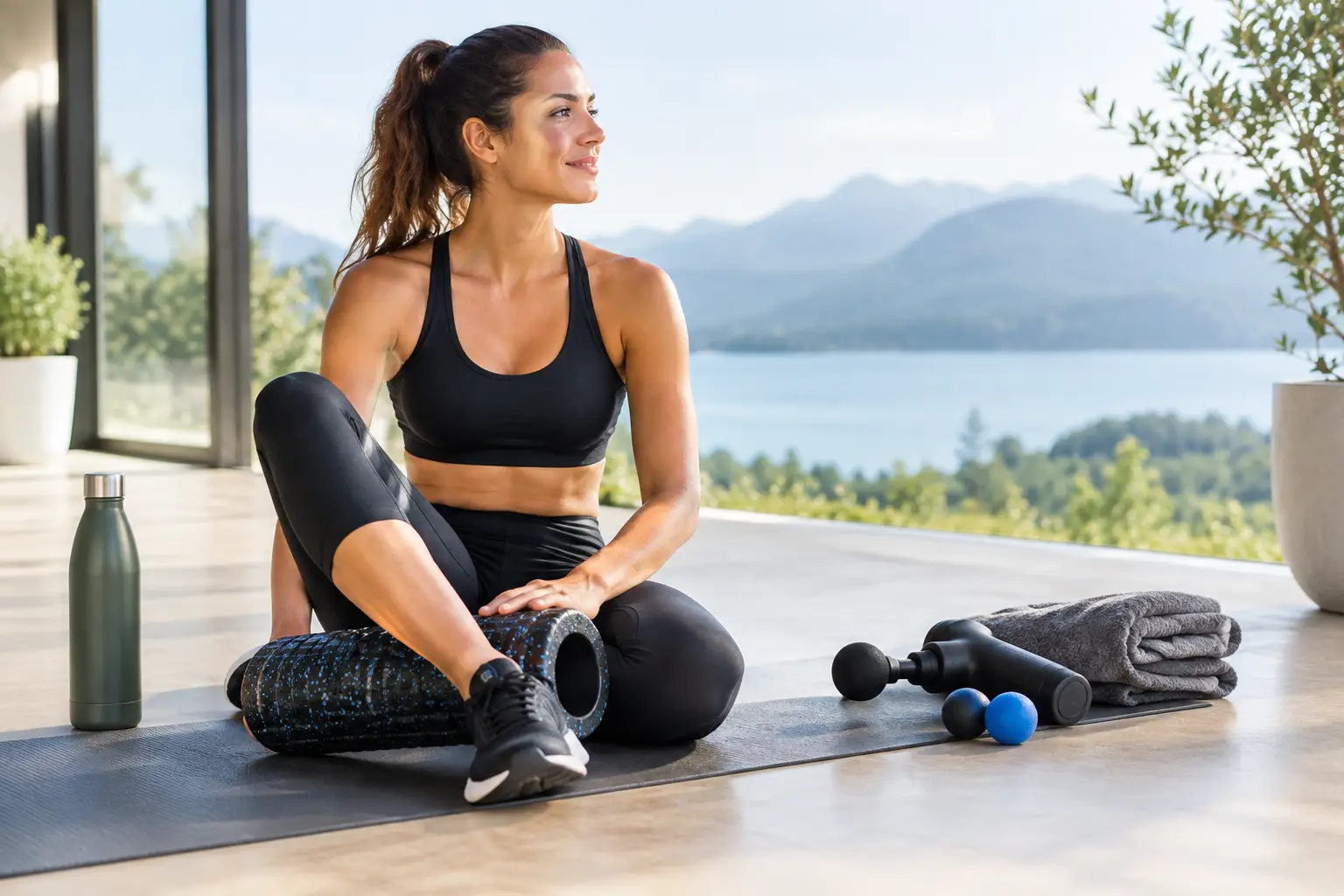
Foam rollers, massage balls, percussion devices, and mobility bands remain popular because they are accessible and easy to use. They can temporarily improve range of motion, reduce the feeling of stiffness, and provide a useful ritual for transitioning out of training.
Their value is often practical rather than dramatic. Ten focused minutes with a roller or massage device may help an athlete notice tight areas, slow their breathing, and prepare for a more comfortable evening. It should not become aggressive self-treatment. Persistent focal pain, swelling, weakness, or altered movement patterns deserve an evaluation from a qualified clinician.
Build a Recovery System, Not a Gadget Collection
The most effective athlete recovery tools work together because they remove friction from healthy habits. Start by protecting a reliable sleep window and regular meals with enough protein, carbohydrates, fluids, and electrolytes for the training load. Then consider which tool solves a real recurring problem.
A runner who travels for events may benefit most from compression, mobility work, and a calming hotel-room routine. A strength athlete training late in the evening may prioritize a low-stimulation recovery space, gentle movement, and light-based sessions scheduled well before bed if they feel restorative. A wellness center may create designated recovery zones that combine comfortable rest areas with professionally guided photobiomodulation protocols.
HealthWise approaches this broader idea of recovery as an environment, bringing nature-inspired air revitalization together with advanced red and near-infrared photobiomodulation. The value is not simply having two technologies in the same room. It is designing a space where breathing, calm, and regeneration are considered together.
For facility owners, this integrated approach can also distinguish a premium offering from a room filled with disconnected devices. Athletes and guests want recovery to be clear and easy to use. They need instructions, appropriate session timing, hygiene standards, and an experience that feels restorative rather than complicated.
How to Use Recovery Tools Without Overdoing It
Measure the basics before adding more. Keep a simple record of sleep duration and quality, perceived soreness, mood, training output, and readiness to train. Wearable data can be useful, but it should support body awareness rather than override it. A low readiness score does not always require complete rest, and a high score does not erase warning signs.
Introduce one tool at a time for two to four weeks. If you add cold exposure, compression, a new light protocol, and a late-night mobility routine all at once, you will not know what is helping. Use a consistent schedule, note how you feel the next day, and adjust based on training demands.
Recovery should also scale with the season. During a high-volume training block, the priority may be maintaining sleep, mobility, and enough energy intake. During tournament travel or repeated competitions, comfort and short-term readiness may deserve more attention. During an injury return, guidance from medical and performance professionals should shape every decision.
The Premium Standard Is Practical Consistency
The most advanced recovery room is only valuable if people use it. A well-designed space makes restoration easier after a demanding day, whether it sits inside a hotel suite, a rehabilitation center, a workplace, or a private home.
Choose athlete recovery tools that support the habits you can sustain. When technology is paired with intelligent training, nourishing food, quality sleep, and a calmer environment, recovery stops being an afterthought and becomes part of how performance is built.