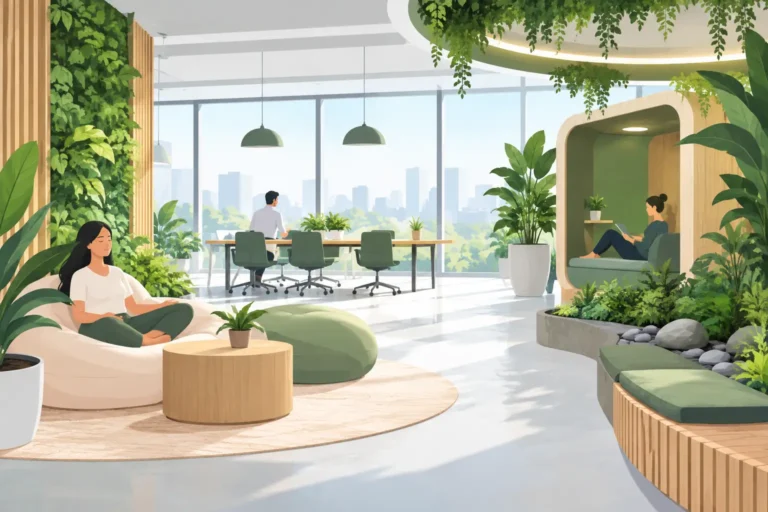

A hotel guest finishing a long-haul trip, an executive between demanding meetings, and a spa client seeking meaningful recovery all want more than a pleasant-looking room. They want to feel better when they leave. That expectation is reshaping wellness franchise opportunities, creating demand for concepts that pair premium design with practical, non-invasive support for rest, focus, and regeneration.
For prospective franchise partners, this shift matters because the strongest wellness businesses are no longer built around a single device or a generic relaxation service. They create a coherent experience that fits the realities of modern life: limited time, high stress, disrupted sleep, and a growing preference for preventive health solutions.
Why Wellness Franchise Opportunities Are Changing
Wellness has become a serious category for hospitality, workplace design, rehabilitation, and premium residential environments. Yet consumers are also more selective. They can recognize when a business is selling atmosphere without substance. Soft lighting and calming music may create a mood, but they do not automatically give a guest or client a compelling reason to return.
The more promising franchise concepts are built around repeatable value. They give partners a clear service model, a well-defined client journey, professional training, and technologies that can be demonstrated in a real setting. For an owner, that means moving beyond one-off retail transactions toward a service-led relationship with customers and business clients.
This does not mean every wellness franchise must look the same. A boutique hotel may need an in-room recovery offering. A rehabilitation center may prioritize a structured treatment-adjacent environment. An office manager may be looking for a dedicated space that supports calm focus and recovery during the workday. The commercial model should adapt to the setting, while the wellness promise remains clear.
What Makes a Wellness Concept Franchise-Ready?
A concept becomes franchise-ready when its quality does not depend entirely on the personality or technical expertise of one founder. Partners need a model they can understand, operate, and present with confidence.
First, the customer benefit must be easy to explain. Scientific language has value, particularly in premium wellness, but it must translate into daily relevance. Clients want to understand how an environment may support relaxation, recovery routines, sleep quality, respiratory comfort, or mental clarity. They do not need an overwhelming technical presentation before they can experience value.
Second, the experience needs operational consistency. This includes installation standards, client consultation, staff education, maintenance guidance, visual identity, and protocols for demonstrating the equipment. A premium wellness offering loses credibility if the experience varies widely between locations.
Third, the concept should have more than one route to revenue. Direct sales can be valuable, especially for clients who want a solution in a private residence or professional practice. B2B installations, consultations, staff training, recurring service programs, and hospitality partnerships can add resilience. The right mix depends on the territory and target customer, but a franchise should not rely on impulse purchasing alone.
Finally, responsible communication is essential. Wellness technologies should be described accurately, with claims that align with their intended use, relevant guidance, and local requirements. Trust is an asset in this category. It is earned through a clear explanation of what the experience is designed to support, and through avoiding promises that belong in a clinical setting.
The Value of an Integrated Wellness Environment
Standalone wellness products can be useful, but an integrated environment often creates a stronger reason for a customer to choose a premium provider. When the quality of the surrounding space and the regenerative tools within it work together, the result feels intentional rather than assembled.
HealthWise is built around this principle. Forest Air’s nature-inspired, light-activated air revitalization is combined with Nircura’s red and near-infrared photobiomodulation technology to create a cohesive wellness environment. The aim is practical: give people a place that supports a restorative pause, whether they are in a hotel room, professional wellness space, office, or private setting.
Red and near-infrared photobiomodulation has attracted attention for its role in non-invasive recovery and wellness routines. In a properly positioned commercial concept, it can become part of a calm, guided experience rather than a piece of equipment placed in isolation. The surrounding environment matters too. Clients often judge wellness by how a space makes them feel from the first minute, including its atmosphere, comfort, privacy, and sense of care.
For franchise partners, integration can also simplify the sales conversation. Rather than asking a customer to evaluate separate technologies one by one, the partner can present a complete setting designed around modern recovery needs. This is particularly relevant for hotel operators and spa owners who need experiences that feel distinctive, usable, and aligned with a premium brand.
Where Can Partners Create the Most Value?
The best locations are not always the largest ones. A focused wellness installation in the right environment can be more commercially effective than a broad offering with no clear audience.
Hotels are a natural fit because guests increasingly evaluate stays through the quality of sleep, comfort, and restoration they provide. A mobile wellness or spa concept can help a property differentiate selected rooms, suites, or private recovery areas without requiring an extensive new build. For business travelers, this can be especially relevant: the value lies in a fast, private experience that fits a demanding schedule.
Spa and wellness centers can use integrated environments to expand beyond traditional treatments. The opportunity is to create a premium recovery zone that complements existing services, encourages repeat visits, and gives therapists a more complete setting for client education. A partner should still consider session flow, staff capacity, and how the new offering fits the center’s existing positioning.
Office and corporate settings offer a different use case. Stress, concentration, and employee recovery are material business concerns, not merely lifestyle topics. A well-designed wellness space can support a more thoughtful workplace culture, particularly in organizations competing for high-performing talent. However, workplace adoption often requires a simple business case: ease of use, space requirements, employee education, and a credible implementation plan.
Private clients and families may value the same technologies for a different reason. They are investing in a healthier daily environment and a convenient way to support their personal recovery routines. Here, the franchise partner’s consultation skills are central. The recommendation should match the client’s lifestyle, available space, expectations, and budget rather than pushing a standard configuration.
Questions to Ask Before Choosing a Franchise
A wellness franchise can be attractive because it provides a recognizable concept, training, and a defined market proposition. But the right opportunity depends on more than the category’s growth. Prospective partners should examine whether the model fits their own strengths and local market.
Ask how the brand trains partners to explain the technology and guide clients. In a premium category, education is part of the product. Also ask what support exists after installation, how territories are structured, what marketing assets are available, and whether the business model includes both consumer and professional channels.
Financial planning deserves equal attention. Installation costs, showroom needs, certification or compliance requirements, staffing, sales cycles, and working capital can vary substantially. Hospitality and B2B clients may have longer decision processes than private clients, but they may also offer higher-value installations and stronger visibility. There is no universal ideal model. A partner with hospitality relationships may build differently from a wellness professional with an established local client base.
It is also worth looking at what makes the concept defensible. A franchise should offer more than branding materials and a catalog. Its advantage may come from integrated technology, a distinctive client experience, technical know-how, training quality, or a model that is difficult to replicate without specialist support.
Building Trust at the Local Level
Even the most advanced wellness concept succeeds locally through human relationships. Hotel managers need confidence that the installation reflects well on their property. Wellness professionals need to know they can explain the experience responsibly. Private clients need to feel heard before they make a meaningful investment.
That is why consultative selling matters. It begins with questions about the space, desired outcomes, customer profile, and operational realities. It continues with a clear demonstration and realistic expectations. The goal is not to make wellness sound complicated. It is to show how advanced technology can become a natural, elegant part of everyday recovery.
The most valuable wellness franchise opportunities are likely to belong to partners who can protect that standard. They will not simply sell equipment or access to a room. They will create environments people remember because they felt calmer, more restored, and better cared for when they stepped back into their day.