A guest may forget the lobby scent or the color of the cushions. They will remember waking up rested before an important meeting, feeling less depleted after a long flight, or finding a quiet sense of relief in a room designed to help them recover. That is the real opportunity in wellness hospitality: making well-being a felt part of the stay, not an optional treatment booked for an hour.
For hotels, resorts, spa properties, and premium short-stay spaces, the standard is shifting. Beautiful interiors and attentive service still matter. But guests who travel frequently are also looking for environments that support sleep, breathing, mental clarity, and physical recovery. They want practical wellness that fits naturally into their schedule.
Wellness hospitality begins in the guest room
Traditional hotel wellness has often been concentrated in a dedicated spa, fitness center, or treatment suite. These spaces remain valuable, especially when skilled practitioners and personalized therapies are involved. Yet they serve guests only at specific times, usually by appointment, and only when the guest has enough time and energy to use them.
The guest room offers a different kind of value. It is where travelers spend their most private hours: arriving tired, preparing for the next day, winding down after dinner, sleeping, and waking. When wellness is integrated there, it becomes available without planning, changing clothes, or leaving the room.
This does not mean turning every room into a clinical setting. The strongest wellness environments are discreet, elegant, and easy to understand. Guests should experience the benefit before they need to learn the technology behind it. A more restorative atmosphere, a clearer ritual for evening recovery, and a sense that the room is working with their body rather than simply housing it can be far more meaningful than another generic amenity.
Why recovery has become a hospitality priority
Modern travel places real demands on the body. Time-zone changes, disrupted routines, dry indoor environments, late business dinners, early departures, screen exposure, and unfamiliar sleeping conditions can all affect how guests feel. Leisure travelers may arrive carrying the same stress load as business travelers, simply in a different form.
A premium hotel cannot remove every pressure associated with travel. It can, however, create conditions that make recovery easier. This is where wellness hospitality becomes commercially relevant as well as genuinely guest-centered.
Guests increasingly judge value by how a stay affects them after checkout. Did they sleep well? Did they feel restored enough to perform at work, enjoy a city, or continue their journey? Did the space provide calm without asking them to sacrifice convenience? These questions influence reviews, repeat bookings, and the willingness to choose a higher-category room.
There is also an operational advantage. A thoughtfully designed in-room wellness offering gives a property a credible point of differentiation without requiring every guest to book a therapist or use a shared facility. It can support a premium room category, wellness package, or corporate travel proposition while remaining accessible to guests who prefer privacy.
From isolated amenities to a complete environment
Wellness features are often added one by one: a meditation app, a pillow menu, a yoga mat, or a spa discount. Each can be useful, but isolated amenities rarely create a coherent experience. A room needs a clear wellness logic.
The most effective model brings together the quality of the environment and the regenerative tools available within it. Air quality, light, sound, temperature, tactile comfort, and recovery rituals should reinforce one another. The result is not a collection of gadgets. It is an environment with a recognizable purpose.
For example, a guest returning from a full day of meetings may want a simple evening sequence: settle into a calmer room, reduce stimulation, spend time with a red and near-infrared photobiomodulation session, and prepare for more restorative sleep. Another guest may use the same space in the morning to feel more alert and focused before a presentation.
The details depend on the property and guest profile. An urban business hotel may prioritize mental focus and rapid recovery. A destination resort may emphasize longer restoration rituals. A rehabilitation or medical-wellness setting may require more structured guidance. The principle remains the same: wellness works best when it is present at the moment the guest needs it.
The role of air and light in a restorative stay
Two elements deserve particular attention because they shape how people experience a room at a fundamental level: the air they breathe and the light they receive.
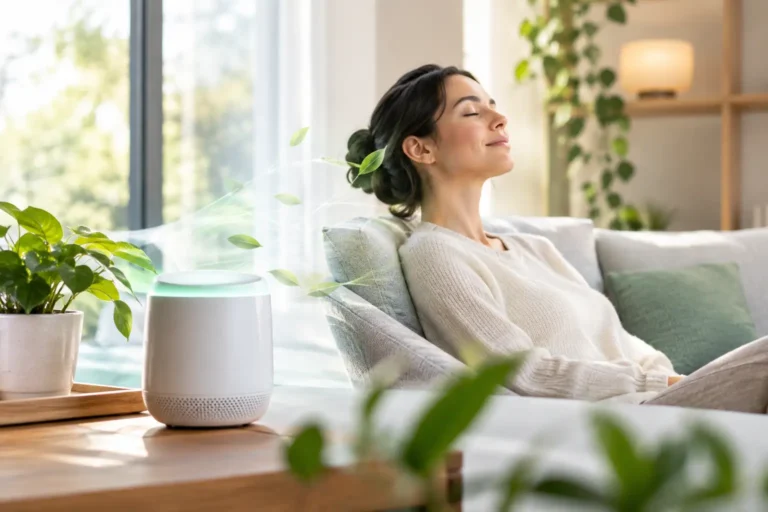
Nature-inspired, light-activated air revitalization can help create a fresher, more supportive indoor atmosphere for rest and recovery. For travelers sensitive to congested indoor conditions or seasonal allergens, the perceived quality of the room environment can make a meaningful difference to comfort. The goal is not to make exaggerated medical promises. It is to provide a thoughtfully designed setting that supports easier breathing, calm, and the conditions for better rest.
Red and near-infrared photobiomodulation adds another practical dimension. This non-invasive light-based approach is widely valued in wellness settings for supporting recovery, relaxation, and everyday vitality. When integrated appropriately, it gives guests access to a private recovery ritual that does not require a complicated protocol or significant time commitment.
HealthWise combines Forest Air’s light-activated air revitalization with Nircura’s red and near-infrared photobiomodulation systems to create this kind of integrated wellness space. The concept is particularly suited to hospitality because it translates advanced wellness technology into an experience that can feel natural, refined, and useful from the first stay.
Designing for use, not just visual impact
A wellness room can fail if it looks impressive but leaves guests uncertain about what to do. Hospitality teams should design around simple moments of use. The guest should know how the experience fits into arrival, evening wind-down, or morning preparation within seconds.
Clarity is part of luxury. A concise in-room card, a polished digital guide, or a short introduction from the front desk can explain the purpose of each feature in plain language. Avoid overwhelming guests with technical specifications, while still making evidence-informed information available to those who want it.
The physical integration also matters. Equipment should complement the interior rather than dominate it. Placement should respect privacy, access, and housekeeping flow. Light-based wellness systems require thoughtful positioning so that the guest can use them comfortably, while the room retains its primary function as a place to rest.
Before installing a wellness concept at scale, hotel operators should assess four practical questions:
- Which guest segment will use the room most often, and what type of recovery do they value?
- Is the wellness experience intuitive enough to use independently?
- Can staff explain the offering confidently and consistently?
- Does the room category support a clear commercial story, from premium upgrades to wellness-focused packages?
These considerations prevent technology from becoming a costly feature that guests admire but rarely use.
Staff confidence protects the guest experience
Even the most elegant system needs knowledgeable people behind it. Front-office teams, spa professionals, housekeepers, and sales teams do not all need the same level of technical training, but they should share a clear understanding of what the wellness offering is designed to support.
The language matters. Staff should avoid diagnosis, treatment claims, or guarantees. Instead, they can speak confidently about relaxation, recovery routines, better sleep preparation, comfortable breathing conditions, and a more restorative stay. This protects the hotel while maintaining the premium, health-conscious positioning guests expect.
For spa and rehabilitation centers, training can go further. Professionals can learn how to introduce the technology within broader wellness programs, explain appropriate session routines, and help clients build consistent habits. That creates a stronger bridge between hospitality, preventive well-being, and professional care.
A differentiator that guests can actually use
Many hospitality trends fade because they are decorative rather than functional. Wellness hospitality has staying power when it solves a recognizable problem: people are tired, overstimulated, and short on time. They want a better experience, but they also want one that is private, easy, and credible.
The best wellness room is not defined by how much technology it contains. It is defined by how naturally it helps a guest feel restored. For a hotel operator, that may mean starting with a small number of premium rooms, listening closely to guest feedback, and expanding only once the experience is operationally smooth.
A room that supports a calmer evening, easier recovery, and a more capable morning gives hospitality a purpose guests can carry with them long after they leave.