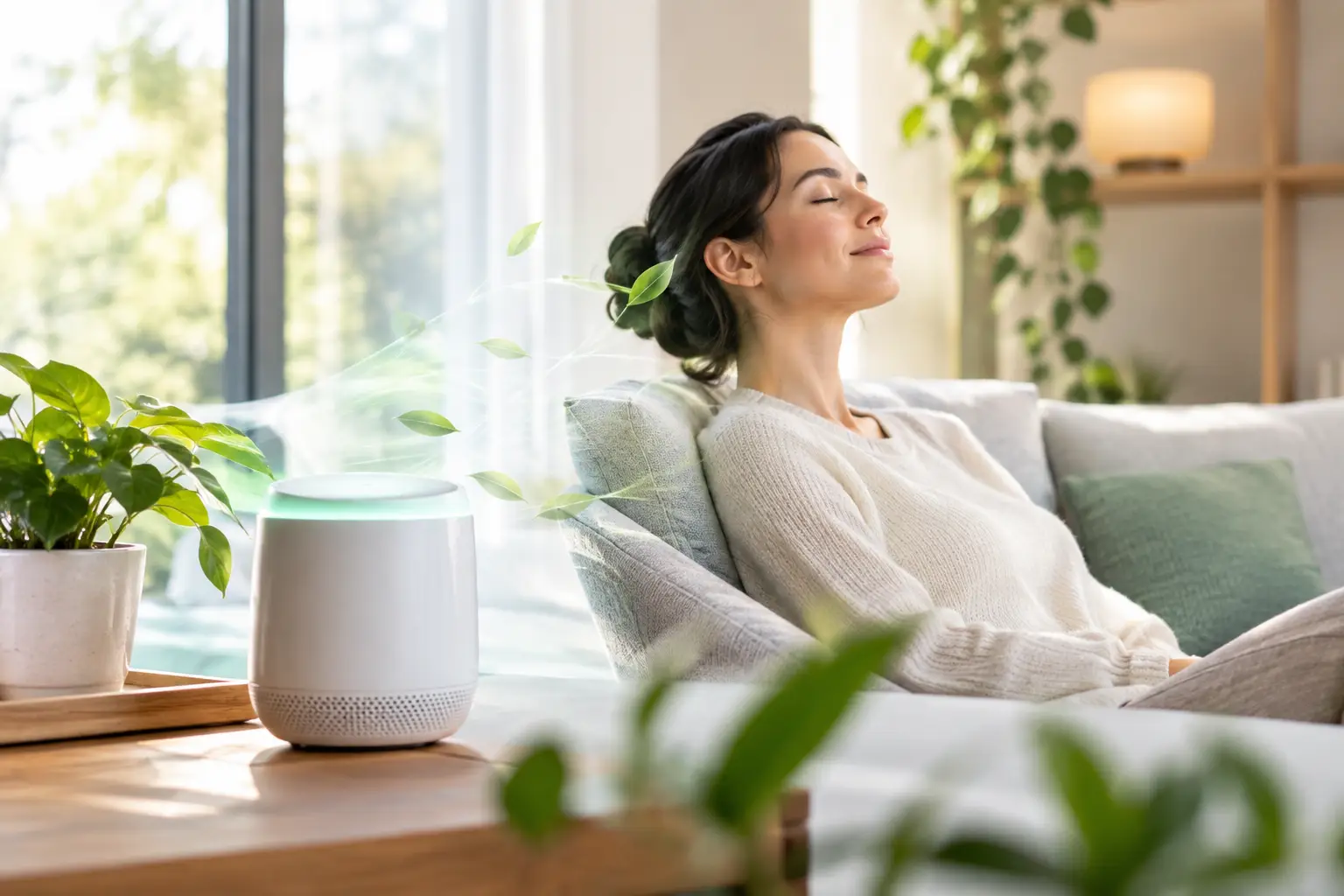
A hotel room can have premium linens, a beautiful view, and every expected amenity, yet still leave a guest feeling overstimulated and under-rested. The missing element is often the environment itself. Wellness technology changes that equation by making the quality of the air, light, and recovery experience part of the space – not an afterthought reserved for a spa visit.
For people who travel frequently, manage demanding teams, operate hospitality venues, or invest deliberately in their health, the real value is practical: a setting that helps the body shift from constant output toward calm, restoration, and readiness for what comes next.
What wellness technology should actually do
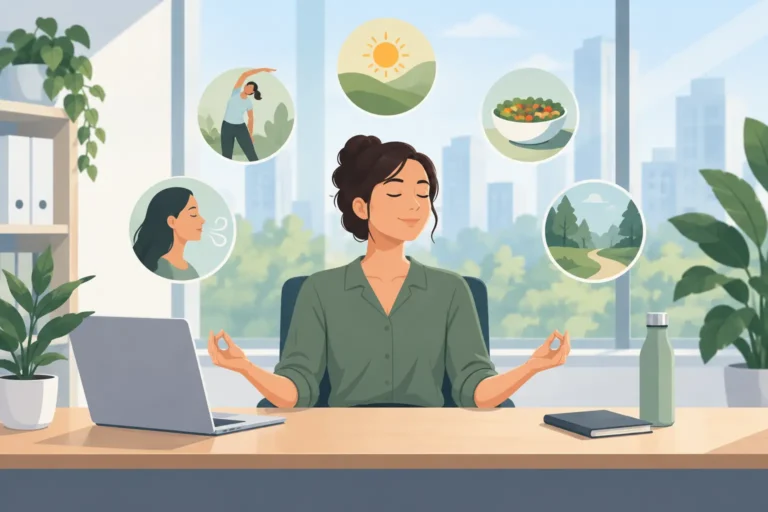
The term wellness technology is often used for almost anything connected to health. A wearable can track sleep. An app can guide breathing. A treatment device can support recovery. These tools may be useful, but a meaningful wellness system should do more than create another data point or another task on a busy day.
It should improve the conditions in which people spend their time. That means supporting better breathing, helping create a calmer sensory atmosphere, and offering non-invasive regenerative tools that are easy to use consistently. The strongest solutions do not force people to choose between clinical-looking equipment and an elegant environment. They make advanced wellness feel natural within a guest room, office, private residence, rehabilitation setting, or treatment space.
This distinction matters because recovery is rarely the result of one perfect intervention. Sleep, stress regulation, movement, light exposure, breathing comfort, and daily routines all influence how people feel. Technology cannot replace foundational habits, medical care, or professional diagnosis. It can, however, make supportive conditions more available when those habits are hardest to maintain.
The shift from individual devices to wellness environments
Standalone wellness products have a place, especially when a specific need calls for a focused solution. But modern life does not happen in isolated moments. People work under artificial lighting, sleep in unfamiliar rooms, recover between meetings, and spend long periods indoors. A more valuable question is not simply, “What device should I use?” It is, “What does this space ask of my body all day?”
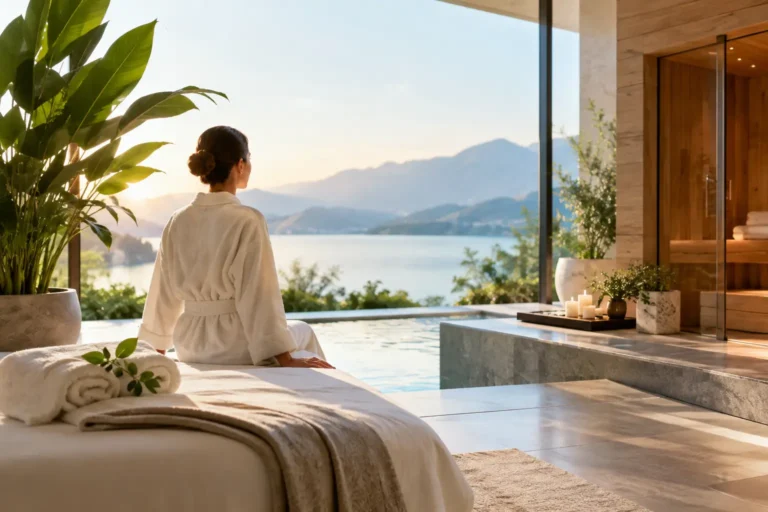
That is why integrated wellness environments are becoming more relevant. Rather than presenting air revitalization and light-based recovery as unrelated categories, they bring complementary approaches together. The result can be a more complete experience: a space designed to feel cleaner, calmer, and more supportive of restoration.
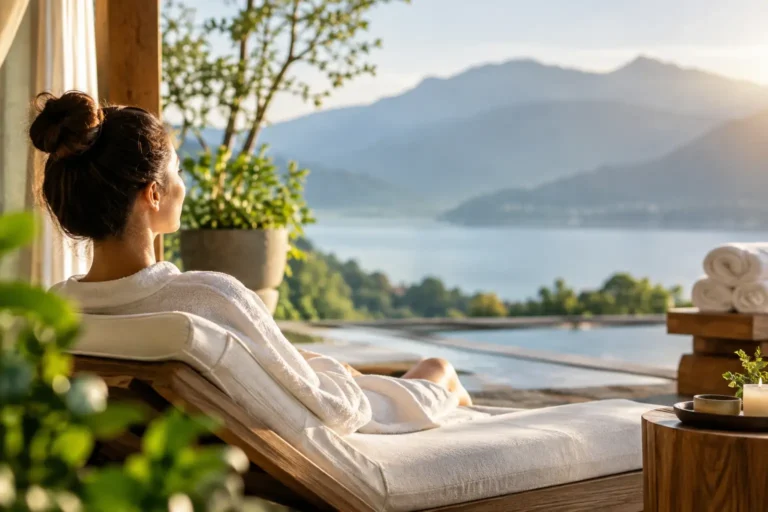
For a hotel, this can become a meaningful differentiator. Guests increasingly recognize that true luxury is not only visual. It is waking up more refreshed after a late arrival, having a quiet place to decompress after travel, or finding a room that supports a more restorative routine. For an office, the goal may be clearer focus and a better reset during high-pressure days. In a private setting, the value is continuity: wellness support available without turning the home into a clinic.
Air quality as part of the recovery experience
Breathing is continuous, which makes the indoor environment deeply personal even when it is easy to overlook. Stale-feeling rooms, urban exposure, allergens, and poorly considered interior conditions can affect comfort, concentration, and the sense of ease people expect from a premium space.
Nature-inspired, light-activated air revitalization is designed around the principle that the environment should actively support the feeling of fresh, comfortable breathing. In a well-designed wellness setting, this is not a decorative feature. It contributes to the overall experience of calm and can be particularly relevant for people seeking support around respiratory comfort, allergy-sensitive environments, and stress reduction.
The right expectation is not a miracle claim. Individual responses vary, and respiratory symptoms deserve appropriate medical attention. The opportunity is to create indoor spaces that better support everyday comfort and complement a broader preventive health routine.
Red and near-infrared light for regeneration
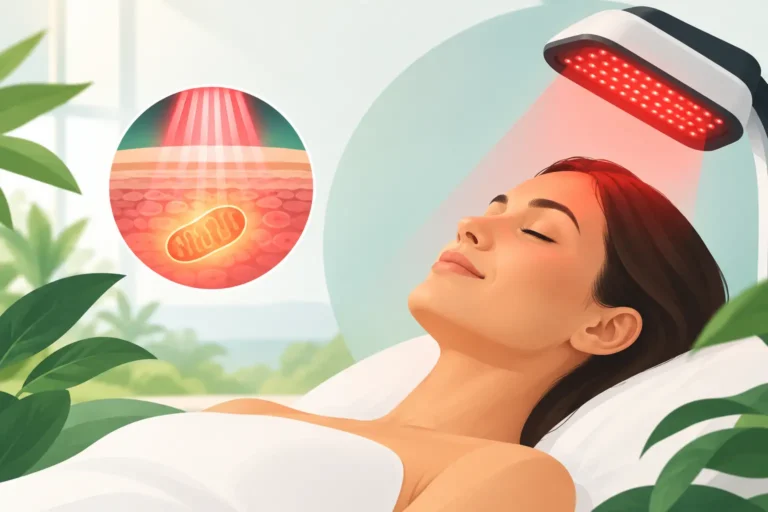
Photobiomodulation uses specific red and near-infrared wavelengths to support cellular processes associated with recovery and regeneration. It has attracted attention from wellness professionals, athletes, longevity-focused consumers, and rehabilitation-oriented settings because it is non-invasive and can fit into a regular routine without requiring downtime.
In practical terms, people may use red and near-infrared light as part of a recovery ritual after exercise, during demanding work periods, or as a moment of intentional rest. The appeal is not that light replaces sleep, nutrition, movement, or medical treatment. Its value lies in offering a science-informed tool that can support the body’s natural recovery processes.
Quality and protocol matter. Wavelengths, irradiance, treatment distance, duration, and consistency influence the experience and intended use. A premium wellness provider should be able to explain these variables clearly rather than relying on vague promises. For professional environments, proper education also helps staff introduce the technology responsibly and confidently.
Where integrated wellness technology creates value
The best application depends on the people using the space and the outcomes the operator wants to support. A hotel may prioritize guest restoration and a distinctive in-room experience. A wellness center may need a complementary offering that fits consultations and recovery rituals. A workplace may be focused on concentration, stress management, and employee well-being.
In a private home, integrated technology can be especially valuable for households that want a dedicated recovery zone without committing to a major renovation. A thoughtfully designed setup can become part of an evening routine, a post-training reset, or a quiet space for breathing and decompression.
For business owners, the commercial advantage is also clear. People are increasingly selective about where they spend their time and money. They look for wellness experiences with a visible purpose, not generic relaxation language. A well-executed environment gives a property or practice a story that is easy to understand: this space was created to help people feel better while they are here.
HealthWise brings this approach together through Forest Air’s light-activated air revitalization and Nircura’s red and near-infrared photobiomodulation systems. The focus is not on filling a room with disconnected equipment. It is on creating a coherent environment where breathing, regeneration, and everyday usability belong together.
How to evaluate a wellness investment
Before choosing any system, begin with the setting rather than the product specification. Who will use it? How much time will they spend there? Is the goal better recovery, a more distinctive guest experience, a calmer workplace, or support for a wellness practice? Clear answers prevent expensive technology from becoming an underused feature.
Next, evaluate the quality of guidance. Advanced wellness should be understandable. Partners should receive practical education on placement, user routines, safety considerations, cleaning, and how to describe benefits without overstating them. This is particularly important in hospitality and professional settings, where the experience must feel effortless for the end user.
Design should carry equal weight with technical performance. If a system disrupts the visual language of a premium suite, home, or treatment room, people may avoid using it. The most successful installations integrate naturally with the room and make the desired behavior easy. A guest should not need an instruction manual to begin a calming session. A wellness professional should not have to redesign an entire practice around a single device.
Finally, consider long-term fit. Some spaces need a mobile format that can move between rooms or locations. Others benefit from a permanent signature installation. The right choice depends on operational needs, available space, service model, and the level of personalization desired.
A better standard for everyday recovery
Wellness does not need to be a special occasion that happens far from daily life. When air, restorative light, and intentional design work together, a familiar room can become a more supportive place to sleep, recover, focus, and reset. That is the promise worth pursuing: not more technology for its own sake, but environments that make feeling well a more natural part of every day.