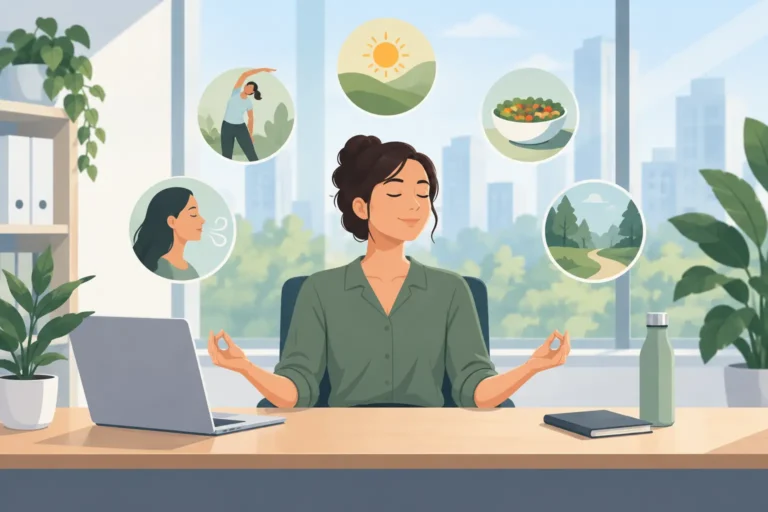

A workplace can look impeccably designed and still leave people depleted by midafternoon. The difference is often invisible: stale-feeling environments, limited access to restorative light, constant cognitive demand, and no practical space to reset. Better workplace wellness results come from treating the work environment as part of the health strategy, not as a decorative backdrop to it.
For hotel operators, office managers, wellness professionals, and rehabilitation centers, this shift matters commercially as well as personally. People increasingly recognize the difference between a space that merely functions and one that actively supports calm, focus, recovery, and a sense of care. The goal is not to turn every workplace into a spa. It is to build conditions in which people can perform without sacrificing their capacity to recover.
What Workplace Wellness Results Should Actually Measure
A wellness initiative is only as credible as the outcomes it can observe. Free fruit, occasional chair massages, and a meditation app may be appreciated, but they do not automatically change the conditions people experience for eight or more hours a day.
Meaningful workplace wellness results show up in both human and operational indicators. On the human side, organizations can track anonymous feedback on stress, perceived energy, comfort, sleep quality, concentration, and the ability to recover after demanding shifts. On the operational side, they can examine absenteeism patterns, retention, engagement, guest satisfaction, utilization of wellness spaces, and feedback from managers.
Not every outcome will move at once, and not every metric is appropriate for every setting. A luxury hotel may prioritize guest experience and staff recovery across long shifts. A high-focus office may care most about concentration, perceived fatigue, and employee retention. A rehabilitation center may place greater value on comfort, restorative atmosphere, and the consistency of its client experience.
The key is to establish a baseline before introducing changes. A short, anonymous survey conducted over several weeks is often more useful than a single annual engagement score. It gives decision-makers a clearer picture of where strain is accumulating and whether an intervention is being felt in daily life.
Start With the Environment People Cannot Switch Off
Employees may be able to control their calendars, to a point. They cannot easily control the environmental conditions surrounding them. That is why workplace wellness begins with the quality of the space itself.
Air, light, temperature, acoustics, and visual calm all influence how a room is experienced. A meeting room that feels heavy after an hour can make discussion feel harder than it needs to be. A windowless treatment room may need a different approach to atmosphere and recovery than a naturally lit lobby. The right solution depends on the function of the space, the people using it, and how long they remain there.
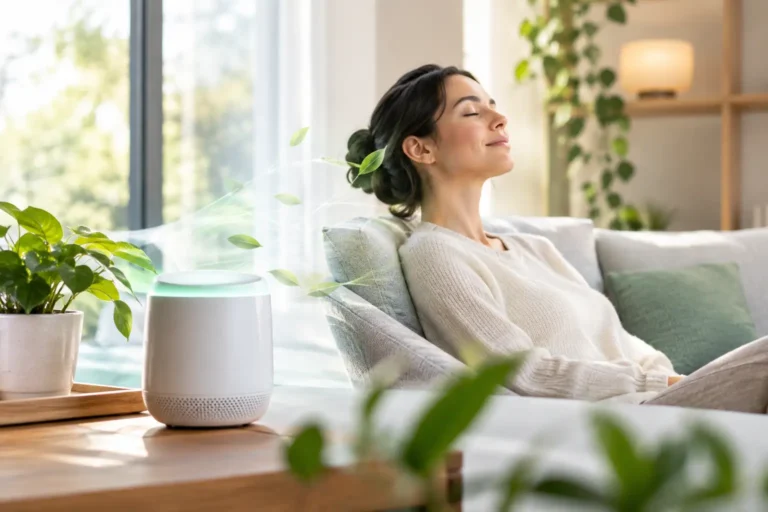
Nature-inspired, light-activated air revitalization offers one approach for environments where a fresher, more restorative sensory experience is part of the desired standard. The aim is not simply technical performance. It is to create an environment that feels more supportive of breathing, comfort, and everyday vitality.
This distinction is valuable for premium hospitality and professional wellness settings. Guests and clients may not describe the science behind a room, but they notice when a space feels considered, calm, and pleasant to occupy. Employees notice it too, particularly in enclosed, high-traffic, or high-pressure areas.
Design for the moments that carry the most strain
Rather than installing wellness features solely in executive areas or occasional break rooms, identify where pressure is highest. These may be staff recovery rooms, treatment rooms, reception areas, meeting spaces, hotel suites, or back-of-house areas where teams spend long periods between demanding tasks.
A small, well-designed recovery zone can be more valuable than a large wellness area that sits unused. It should be simple to access, require little explanation, and fit naturally into the rhythm of the workday. If a reset requires booking, changing clothes, or leaving the building, many people will never use it.
Build Recovery Into the Workday, Not Around It
Wellness programs often fail because they ask tired people to make one more effort. A better model reduces friction. It makes restoration available in the same places where concentration, service, creativity, and care are already required.
Red and near-infrared photobiomodulation is increasingly relevant in this context. This non-invasive light-based approach is designed to support the body’s natural cellular processes associated with recovery and regeneration. In a workplace or hospitality setting, it can become part of a practical recovery routine rather than an occasional luxury.
For example, a hotel may create a private in-room wellness experience that helps guests decompress after travel and supports staff members working extended shifts. A wellness center may integrate light sessions into a broader recovery plan. An office may offer a quiet, dedicated setting for short restorative sessions during intense project cycles.
Results depend on responsible use, appropriate device selection, frequency, and the needs of the individual. Photobiomodulation is not a substitute for medical diagnosis or treatment. People with health conditions, photosensitivity, or questions about suitability should seek guidance from a qualified healthcare professional. Clear protocols also protect the quality of the experience and help teams use the technology with confidence.
Recovery needs leadership support
A recovery room cannot solve a culture that rewards exhaustion. Leaders influence workplace wellness results when they set realistic expectations around breaks, meeting load, shift handovers, and after-hours communication.
This does not mean lowering standards. It means recognizing that sustained performance needs a recovery cycle. In service businesses, this can include protected transition time between demanding client interactions. In offices, it can mean fewer unnecessary meetings and more focus blocks. In wellness and rehabilitation settings, it can mean designing staff schedules with the same care given to client journeys.
When leadership behavior and the physical environment tell the same story, wellness feels credible. When they contradict each other, even premium amenities can feel superficial.
Make the Experience Useful for Different People
One of the most common mistakes in workplace wellness is assuming everyone needs the same intervention. A person doing detailed analytical work may need support for visual comfort and sustained focus. A hospitality employee on their feet all day may value a fast, private recovery opportunity. A guest in a hotel may be looking for better rest after a long flight.
This is where integrated wellness environments have an advantage over isolated products. HealthWise brings nature-inspired air revitalization together with red and near-infrared photobiomodulation to create a more complete experience around breathing, regeneration, and recovery. The value lies in the combination: the quality of the environment around a person and the restorative tools available within it.
For operators, integration also makes implementation easier to understand. Rather than assembling disconnected features, they can create a defined wellness setting with a clear purpose. That purpose may be employee recovery, guest differentiation, improved comfort in a professional setting, or a premium at-home wellness routine.
How to Evaluate Results Without Overpromising
Wellness is personal, so measurement needs both numbers and context. Start by choosing three to five indicators that reflect the problem you are trying to solve. For a stressed office team, that might be perceived energy, focus, break usage, and absenteeism. For a hotel, it may include guest feedback, repeat bookings, staff satisfaction, and use of in-room wellness features.
Review the data after a meaningful period, not after a few days. Some experiences create immediate subjective benefits, while broader culture and retention outcomes take longer to emerge. Compare feedback from users and non-users, look for consistent patterns, and ask open questions about what is helping or getting in the way.
It is also wise to separate correlation from causation. If retention improves after a wellness upgrade, several factors may be involved. That does not make the upgrade unimportant. It simply calls for honest interpretation. Premium wellness decisions are strongest when they are supported by practical evidence, clear user feedback, and a realistic view of what environmental changes can influence.
The Standard People Will Remember
People do not always remember the specifications of a workplace or hotel room. They remember how it made them feel at the end of a demanding day. A space that supports easier breathing, calmer focus, and a genuine chance to recover becomes part of the reason they want to return.
The most valuable workplace wellness results are not performative. They are felt consistently in the quiet moments: clearer concentration before a key meeting, a calmer reset between clients, deeper rest after travel, and the sense that the environment is working with people rather than asking more from them.