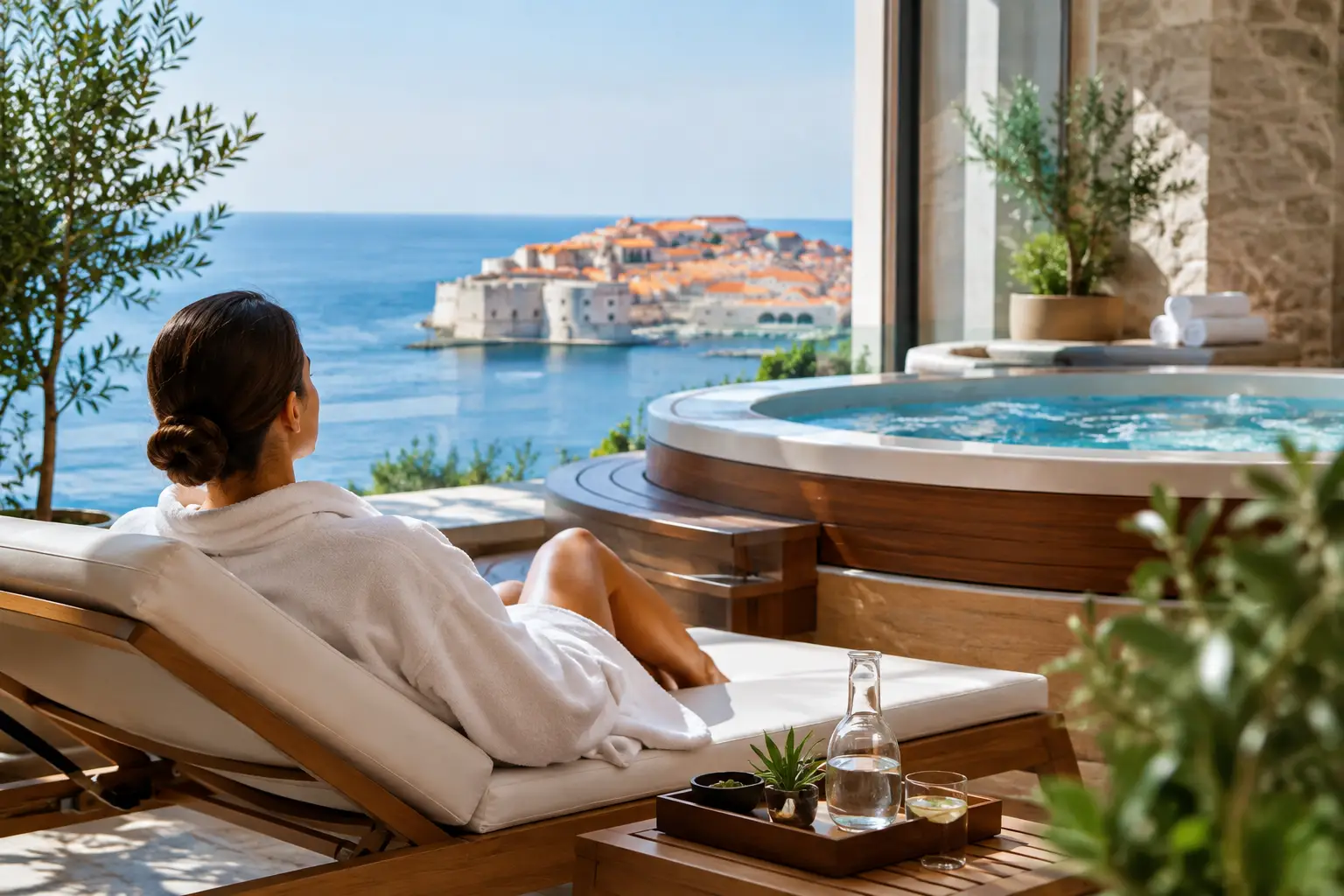
A hotel room in Dubrovnik, Split, or Zagreb may be beautifully designed, yet a guest who arrives depleted from travel, meetings, or an active day on the coast still needs more than visual comfort. Croatia hotel wellness equipment is becoming a meaningful way to answer that need: creating private spaces that support calm, easier breathing, rest, and recovery without adding complexity to the guest experience.
For premium properties, the opportunity is not to fill rooms with wellness gadgets. It is to create an environment that feels noticeably better from the moment a guest closes the door. The right technology should be quiet, intuitive, hygienic, aesthetically aligned with the room, and grounded in benefits guests can understand.
Why wellness is moving from the spa to the guest room
The hotel spa remains an important destination, but it operates on a schedule. Guests may arrive too late for a treatment, leave too early, or simply prefer recovery in private. This is particularly relevant in Croatia, where a stay can combine international travel, seasonal heat, sailing, conferences, hiking, nightlife, and long days outdoors.
A room-based wellness offering extends the hotel’s care beyond appointment hours. It gives business travelers a place to reset before an important meeting. It gives active travelers a practical recovery ritual after cycling or swimming. It gives couples and families a calmer evening environment when the property is busy.
This shift is also commercial. A well-designed wellness room category can create a clear point of difference in a market where high-quality interiors, sea views, and breakfast alone are no longer enough to distinguish every premium hotel. The value is strongest when wellness is built into the room experience rather than presented as an optional novelty.
Croatia hotel wellness equipment should work as a system
Hotels often purchase wellness equipment one item at a time: a massage chair for a lobby, a light panel for a spa, an aroma device for selected suites. Each may have a role, but disconnected tools can make the room feel crowded and make the wellness promise difficult to explain.
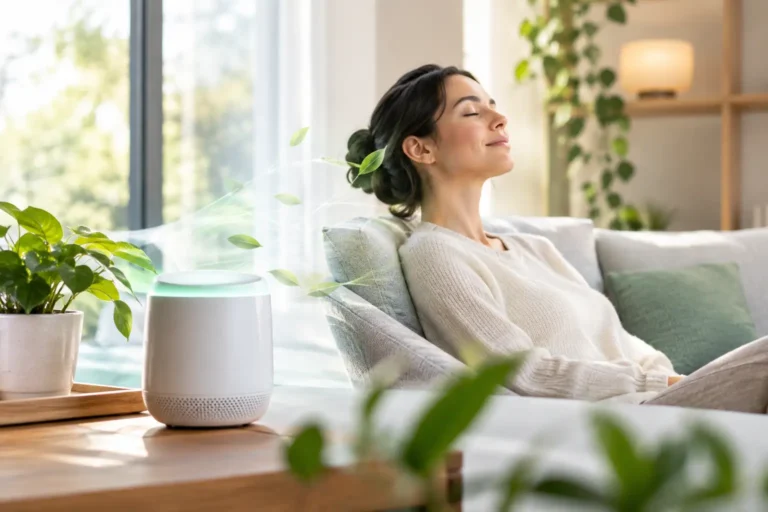
A stronger approach brings together the quality of the environment and the guest’s recovery practice. Nature-inspired, light-activated air revitalization can support a fresher, more restorative atmosphere. Red and near-infrared photobiomodulation can offer a non-invasive recovery ritual that fits naturally before sleep, after exercise, or between demanding workdays.
These technologies serve different purposes, which is precisely why they can complement one another. The environmental element supports the feeling of the space over time. Photobiomodulation is a focused session that guests can use intentionally. Together, they turn a standard room into a compact wellness setting rather than a room that merely contains wellness devices.
HealthWise combines Forest Air’s light-activated air revitalization with Nircura red and near-infrared photobiomodulation systems for this type of integrated experience. The objective is practical: help hotels bring breathing quality, relaxation, and regeneration closer to where guests spend their most private hours.
What guests can understand without a long explanation
The best guest-facing language is simple. A short in-room guide can describe the setting as a recovery space designed to support relaxation, rest, and a sense of renewal. For red and near-infrared light, it can explain that photobiomodulation uses specific wavelengths of light in a non-invasive session intended to support the body’s natural recovery processes.
Hotels should avoid medical promises. Wellness technology is not a substitute for medical care, and no equipment should be presented as diagnosing, treating, or curing a condition. Credible communication is more persuasive when it explains the experience clearly and respects those boundaries.
How to choose equipment that fits the property
The right specification depends on the hotel’s guest profile and operating model. A boutique coastal property may prioritize quiet, design-forward wellness suites. An urban business hotel may focus on fast, easy recovery sessions for travelers with limited time. A resort with an established spa may use in-room equipment to extend the spa experience into premium accommodations.
Before selecting a system, management should assess the room itself. Consider available floor space, access to power, lighting conditions, ventilation, cleaning routines, and where a guest can sit or stand comfortably during a session. Equipment that looks impressive in a showroom can fail in a compact room if it blocks circulation, produces unwanted heat, or requires staff intervention every time it is used.
Photobiomodulation equipment also deserves a more technical review. Hotels should ask about wavelength ranges, irradiance at a realistic treatment distance, session guidance, eye-safety instructions, heat management, durability, and the controls available to guests. A system should be built for repeatable use, not just a one-time demonstration.
For any environmental wellness technology, ask equally practical questions: How quietly does it operate? How is it maintained? What are the cleaning procedures between stays? Can front-desk and housekeeping teams understand the basic operating status? Does the design belong in a luxury room without competing with the interior?
A premium investment is only premium when the guest experience remains effortless and the hotel team can manage it confidently.
Design the guest journey, not just the room
Wellness equipment earns its place when guests know it is there, understand why it matters, and feel comfortable using it. That requires a small amount of choreography.
At booking, a wellness room can be described as a private recovery environment for sleep, relaxation, and post-travel renewal. At check-in, staff need one concise sentence that explains the signature feature. In the room, a refined card or digital guide should show how to begin a session, how long it generally lasts, and the key safety considerations.
The goal is not to turn hospitality staff into clinicians. It is to give them accurate, consistent language and a clear escalation path for guest questions. For example, a team member can explain the intended use of the equipment while directing guests with health concerns, medication questions, or photosensitivity issues to consult an appropriate healthcare professional before use.
Good placement matters as much as good instructions. A recovery light should feel purposeful, with adequate space and a comfortable seating option where appropriate. The surrounding area should feel calm rather than clinical. Natural textures, dimmable room lighting, thoughtful acoustics, and a visible place to pause reinforce the experience.
Operational details protect the investment
A wellness room creates a higher expectation of care. Housekeeping should have a clear cleaning protocol that protects device surfaces and avoids products that could damage components. Engineering teams need scheduled checks for power connections, controls, and manufacturer-recommended maintenance. Managers should track usage patterns, guest feedback, service requests, and booking performance for the room category.
Training is not a one-time event. Seasonal hotel teams change, and even excellent equipment can be underused if staff do not mention it with confidence. A short training program should cover the guest benefit, basic operation, cleaning responsibilities, contraindication messaging, and when to call technical support.
Hotels should also consider the economics beyond the initial purchase. Equipment that requires frequent specialized servicing may not fit every property. A modular solution may make more sense for a hotel testing demand across several suites, while a flagship resort may choose a dedicated wellness floor or recovery lounge. There is no universal configuration, but there should be a clear link between investment level, room rate strategy, and anticipated guest use.
A more meaningful definition of luxury
Luxury hospitality is increasingly measured by how a guest feels after leaving, not only by what they saw on arrival. A well-considered wellness room gives guests a private place to slow down, breathe more deeply, and make recovery part of their stay. When Croatia hotel wellness equipment is selected with clinical care, operational discipline, and human comfort in mind, it becomes less like an amenity and more like a reason to return.
The most memorable hotel rooms do not ask guests to learn a new lifestyle. They simply make restoration feel available when it is needed most.