A credible near infrared device review should do more than repeat wavelength numbers or show a polished panel in a dark room. The real question is whether a device can fit a recovery routine people will actually maintain – after travel, between meetings, following training, or as part of a quiet evening reset. For homes, hospitality settings, and wellness practices, the best choice balances light quality, treatment area, comfort, safety, and practical placement.
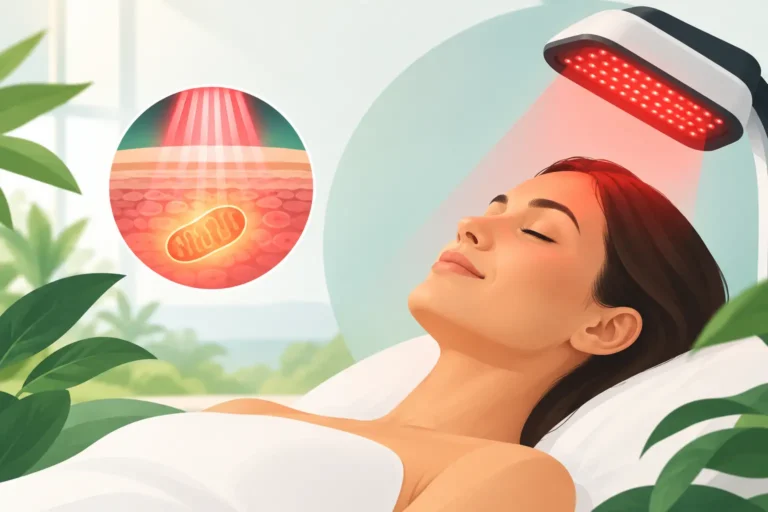
Near-infrared light is invisible to the eye, yet it is often paired with visible red light in photobiomodulation systems. This combination is designed to support the body’s natural cellular processes through non-invasive light exposure. Expectations should remain realistic: a device is not a substitute for medical diagnosis, treatment, sleep, movement, or a well-designed wellness program. Its value lies in making a science-informed recovery practice accessible and repeatable.
A Near Infrared Device Review Starts With the Use Case
A small targeted device and a full-body panel can both be excellent products. They simply solve different problems. Reviewing them as though they are interchangeable leads to poor purchasing decisions.
A compact unit is often a sensible choice for focused routines. Someone may use it on a specific area after exercise, incorporate it into a facial or skincare protocol, or keep it near a desk for a short, consistent session. It requires less space, has a lower entry cost, and may be easier for a first-time user to adopt.
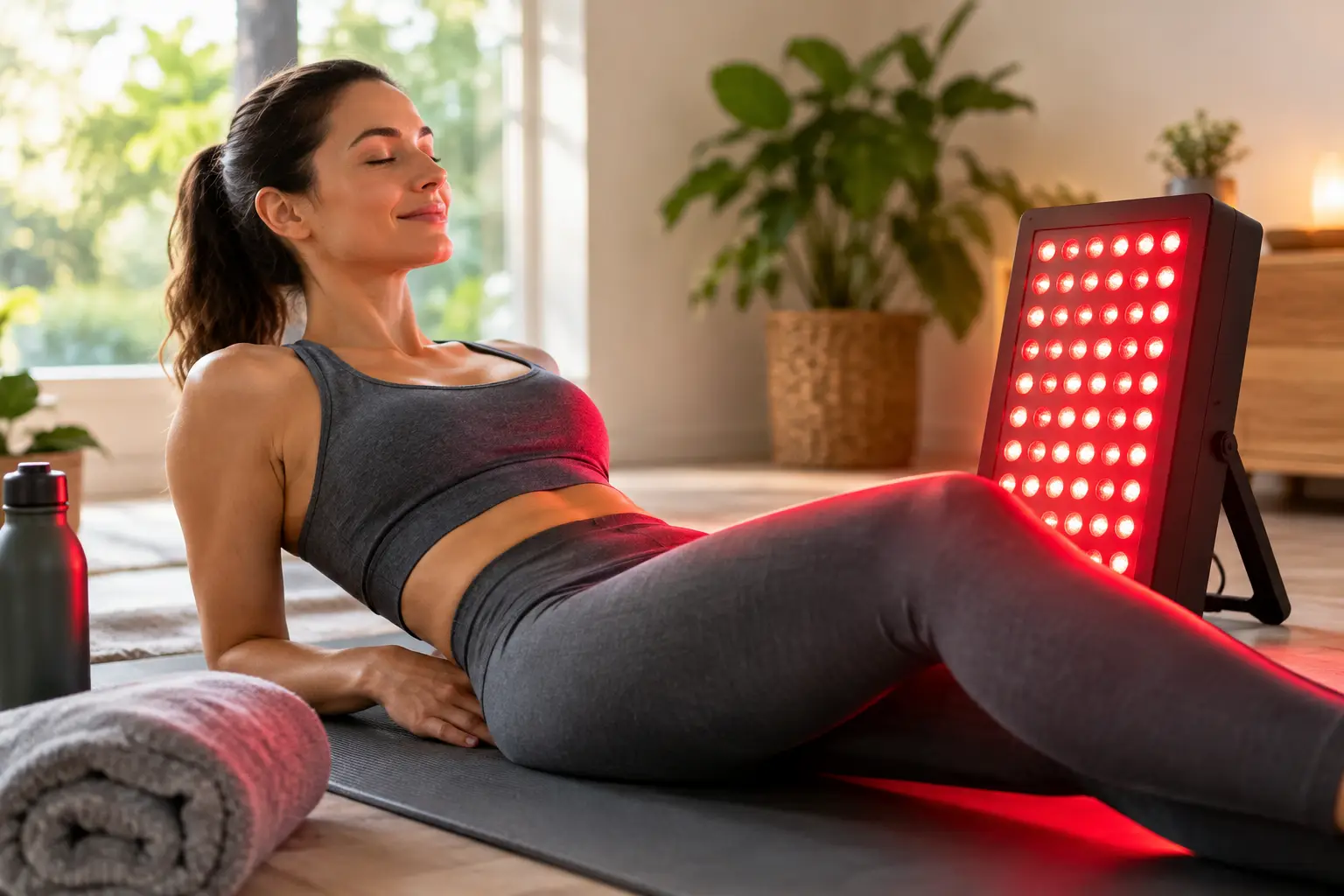
A larger panel is built for broader exposure and greater convenience when treating larger areas. It can suit active households, recovery rooms, premium hotel suites, spa treatment spaces, and rehabilitation environments where multiple body regions are part of a session. The trade-off is clear: larger systems require thoughtful installation, a suitable power location, and enough open space for the user to stand or sit at the recommended distance.
For a business, the decision should begin with the client journey. Is the light session a standalone service, an addition to massage or recovery work, or part of a private in-room wellness environment? A beautiful device that interrupts room flow or requires complicated staff instructions will be used less often than a well-positioned system with a clear protocol.
What the Technical Specifications Really Tell You
Technical data matters, but only when it is understandable and measured transparently. Marketing language can make every device sound advanced. A better review looks at how the specifications affect real use.
Wavelengths and light spectrum
Red light commonly appears in the mid-600 nanometer range, while near-infrared light is generally found in the 800 nanometer range. Red light is visible; near-infrared light is not. Both are used in photobiomodulation, but they interact with tissue differently, which is why many premium systems combine them rather than asking users to choose one exclusively.
Do not assume that a longer list of wavelengths automatically means a better device. The relevant question is whether the spectrum is purposeful, clearly disclosed, and supported by a sensible treatment design. A system should make it easy to understand what it emits and how to use it, without asking the buyer to decode vague claims.
Irradiance, dose, and distance
Irradiance describes the light power reaching a surface, usually expressed in milliwatts per square centimeter. It is one of the most discussed figures in any near infrared device review, but it is not useful in isolation. The reading changes with distance, and the method used to measure it can vary.
A very high reading may shorten session time at close range, but it does not automatically create a better experience. Light-based wellness follows a dose-response principle: more is not always more. If output is too intense or the session is too long, comfort and consistency can suffer. Look for a manufacturer that provides recommended distance and session duration, rather than presenting maximum power as the only measure of quality.
Coverage also matters. A panel should provide even illumination across the stated treatment area. Uneven hotspots can make sessions difficult to standardize, especially in professional settings where clients expect a consistent experience.
Build quality and controls
The physical design has a direct effect on whether the device becomes part of daily life. Check the quality of the housing, mounting options, cooling design, timer controls, and ease of cleaning. In a hotel, spa, or clinic, the device must look at home in a premium environment while still being dependable under frequent use.
Useful controls include adjustable session timers and the ability to select red light, near-infrared light, or both when appropriate. Simple operation is not a minor luxury. It reduces staff training time and helps guests or family members feel confident using the system correctly.
Safety Is Part of a Premium Experience
A responsible review does not treat safety as fine print. Near-infrared devices generate light and, depending on output and session length, can also create warmth. Users should follow the manufacturer’s distance, duration, and eye-protection instructions. If a device is uncomfortable, overly hot, or difficult to position, that deserves attention.
People who are pregnant, have a diagnosed medical condition, use photosensitizing medications, have a history of light sensitivity, or are under medical care should consult a qualified healthcare professional before beginning a photobiomodulation routine. The same caution applies to anyone using a device over an area of concern that has not been assessed clinically.
For operators, safety also means creating a calm, private, well-managed setting. Clear instructions, clean placement, and a defined session protocol protect the guest experience. The goal is not to make the technology feel clinical or intimidating. It is to make each session feel intentional.
Red Flags When Comparing Devices
Be cautious when a product promises to cure disease, replace medical care, or deliver dramatic results without a consistent routine. Photobiomodulation is a supportive wellness modality, not a shortcut around foundational health habits.
Other warning signs include missing wavelength information, unclear irradiance data, no guidance on treatment distance, and generic claims that are impossible to verify. A device should not rely on technical jargon while avoiding the practical details that determine use.
It is also worth considering service after purchase. For a private buyer, that may mean setup guidance and a clear warranty. For a wellness center, hotel group, or rehabilitation practice, it should include education, placement planning, and operational support. The device itself is only one part of a successful implementation.
How to Judge Results Without Chasing Instant Change
The most meaningful results are often practical rather than dramatic. A user may notice that a short evening session becomes a reliable cue to slow down, recover after activity, or prepare for rest. A wellness professional may find that clients value the sense of targeted care within a broader recovery protocol. An office manager may create a private wellness corner that supports breaks with genuine purpose.
Consistency is more informative than one unusually long session. Establish a reasonable schedule, follow the device guidance, and pay attention to comfort, recovery perception, sleep routine, and overall adherence over several weeks. This approach is more useful than expecting a single session to answer every wellness goal.
At HealthWise, the strongest wellness environments are designed around this principle: advanced technology should feel natural in daily life. Red and near-infrared photobiomodulation becomes more valuable when it is integrated into a considered setting that supports calm, recovery, and regular use.
The right device is ultimately the one whose light quality, size, guidance, and design invite people to return to it. Choose for the routine you want to sustain, not the specification that sounds most impressive on paper.