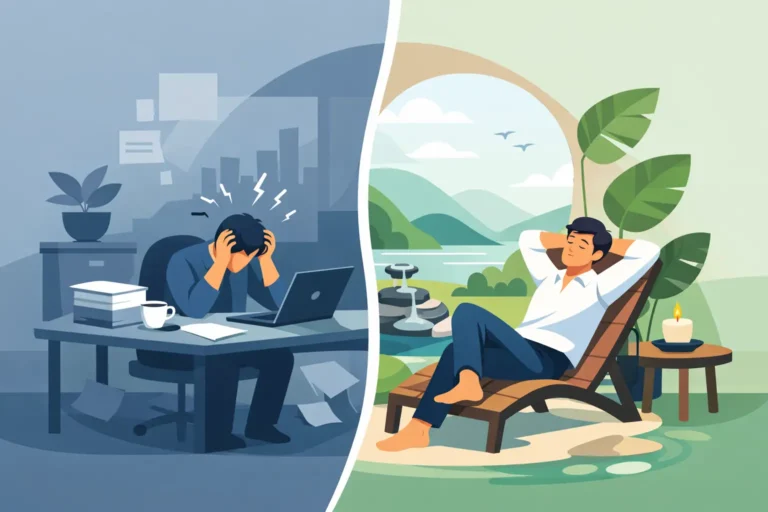
A hotel room can be beautifully designed and still work against sleep. Dry-feeling air, unfamiliar lighting, a demanding travel schedule, and the mental residue of a long day can leave the body tired but not ready to rest. Sleep focused wellness technology addresses this gap by treating the sleep environment as an active part of recovery, not simply the place where recovery is expected to happen.
For people who value preventive health, and for hospitality and wellness operators who want to offer more than surface-level comfort, the question is no longer whether sleep matters. It is whether the surrounding environment meaningfully supports the transition from activity to restoration.
Why Sleep Focused Wellness Technology Matters
Sleep is not a switch. The nervous system needs cues that the day is ending: a reduction in stimulation, physical comfort, a sense of calm, and conditions that make unhurried breathing feel natural. When these cues are inconsistent, even a premium mattress or a quiet room may not deliver the restorative experience a guest, client, or family expects.
That is why the strongest wellness concepts do not position technology as a replacement for healthy habits. Technology should reinforce them. A consistent bedtime, reduced late-night screen exposure, movement during the day, and an appropriately dark room remain foundational. Yet the quality of the space itself can either support those habits or make them harder to sustain.
A well-considered sleep environment can help create a more deliberate recovery ritual. Rather than adding another device that demands attention, the right system becomes part of the room: quiet in its presence, purposeful in its function, and easy to use consistently.
The Environment Is Part of the Recovery Protocol
Modern life asks the body to remain alert for too long. Work messages extend into the evening, travel compresses time zones, and urban routines rarely provide a clean boundary between performance and rest. This is particularly relevant in hotel rooms, executive accommodations, rehabilitation settings, and high-performing homes where people may arrive depleted and need to recover efficiently.
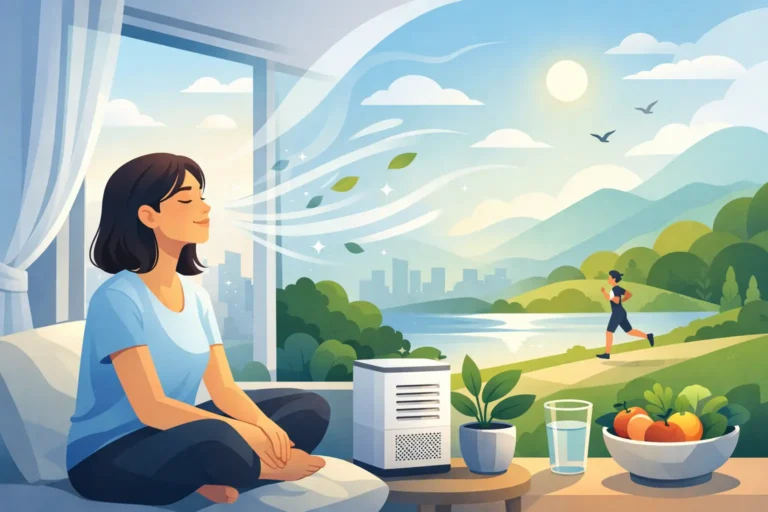
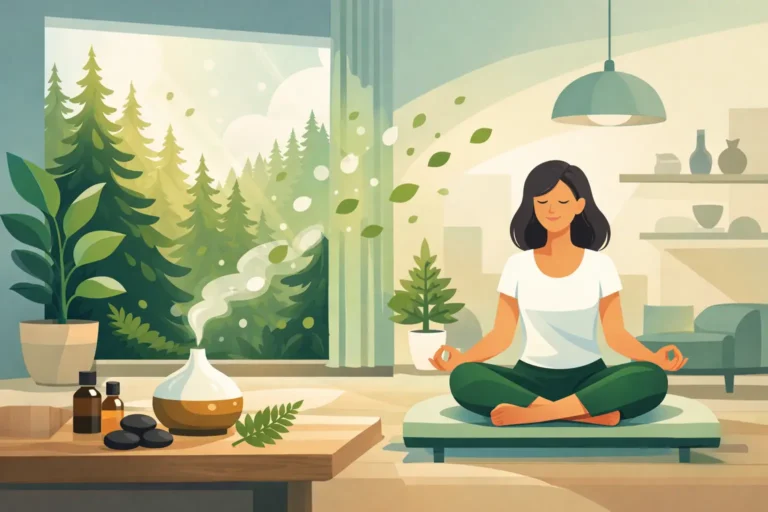
Nature-inspired air revitalization can be one valuable component of this environment. Forest Air uses light-activated principles designed to bring a fresher, more natural quality to the experience of breathing indoors. The goal is not to make dramatic promises about a single night. It is to support an atmosphere that feels calmer, more comfortable, and better suited to slowing down.
Breathing is closely tied to how we perceive stress. When a room feels stale or uncomfortable, it can become one more subtle source of distraction. When the environment feels more pleasant and composed, it may be easier to settle into a nighttime routine, especially for people sensitive to seasonal discomforts, travel fatigue, or demanding workdays.
This distinction matters for premium wellness spaces. Guests do not necessarily need more complexity before bed. They need fewer obstacles to rest. Environmental wellness works best when it is integrated with restraint and designed around the natural behavior of the person using the room.
Light Should Support Rhythm, Not Compete With It
Light is another powerful environmental signal. Bright, stimulating light late in the evening can make it more difficult for many people to mentally disengage. By contrast, thoughtfully timed red and near-infrared photobiomodulation can fit into a recovery-oriented evening routine without relying on the intensity of conventional lighting.
Photobiomodulation uses specific wavelengths of red and near-infrared light to support natural cellular processes associated with recovery and regeneration. The experience is non-invasive and can be incorporated into a wellness routine at home, in a professional setting, or as part of a high-value hospitality offering.
Its role in a sleep-focused setting is best understood as indirect but meaningful. Red and near-infrared systems are not a substitute for sleep, and they should not be presented as a cure for insomnia. Their value lies in supporting relaxation, post-exertion recovery, and an intentional shift out of the day’s physical and mental load. For an active traveler, a wellness client, or a professional under sustained pressure, that transition can be highly relevant.
The timing depends on the individual and the system being used. Some users prefer a session in the early evening as part of their wind-down. Others may benefit more from using it after training or during a dedicated recovery period. Professional guidance and appropriate use are essential, particularly for anyone managing a health condition or using light-sensitive medications.
A Better Approach Than Isolated Wellness Products
The wellness market is full of standalone solutions. One product is intended for relaxation, another for light exposure, another for the atmosphere of a room. The drawback is practical: people rarely build lasting habits around a collection of disconnected devices.
A complete wellness environment takes a different view. It combines complementary elements into one coherent experience built around real routines. Air revitalization supports the sensory quality of the room. Red and near-infrared photobiomodulation supports regeneration and recovery. Together, these technologies can create a space that feels aligned with rest rather than merely equipped with wellness features.
HealthWise is built on this integrated thinking. By bringing Forest Air’s nature-inspired, light-activated air revitalization together with Nircura’s red and near-infrared photobiomodulation technology, the concept supports modern recovery in a form that can work across private residences, hotel rooms, spas, rehabilitation centers, and business environments.
The advantage is not only technological. It is experiential. A guest does not have to understand every scientific principle in order to notice that a room feels more restorative. A family does not need a complicated protocol to make an evening routine more intentional. The sophistication should exist in the design and delivery, while the user experience remains natural.
Where This Technology Creates the Most Value
Sleep focused wellness technology has different value depending on the setting. In a private home, it can support a consistent evening ritual for people balancing work, family responsibilities, fitness, and limited downtime. The emphasis is on making recovery accessible without turning the bedroom into a clinical space.
In hospitality, the opportunity is even more distinct. Travelers often sacrifice sleep quality despite staying in otherwise excellent accommodations. A mobile wellness or spa concept gives hotels a way to differentiate selected rooms, suites, and recovery packages with a benefit guests can feel during their stay. This is especially compelling for wellness-minded travelers, business guests, athletes, and visitors adjusting after long journeys.
For spas and rehabilitation centers, integrated environmental technology can complement existing treatments by extending the recovery experience beyond a single appointment. It can help establish a more coherent setting before or after a service, while preserving the calm, premium character clients expect.
Office and education environments also deserve consideration. Better recovery is not confined to the bedroom. A person who has a calmer space to pause, breathe, and regenerate during a demanding day may be better positioned to protect their evening routine later. The goal is not to blur work and wellness, but to recognize that sustained performance depends on adequate recovery.
How to Evaluate a Sleep Wellness Solution
The most convincing solution is not always the one with the longest feature list. Start with the daily reality of the user. Is the system intuitive enough to be used regularly? Does it fit the visual and functional standards of the room? Can it serve a clear purpose without adding noise, clutter, or unnecessary maintenance?
For business buyers, scalability and education are equally important. Hotel teams, wellness professionals, and franchise partners need a solution that can be explained clearly, implemented reliably, and positioned responsibly. Clients should understand what the technology is designed to support, as well as its limits. Credibility grows when wellness claims remain grounded, specific, and consistent with professional best practices.
It also helps to consider the full recovery journey. A high-quality wellness environment should work alongside practical choices: a comfortable sleep temperature, limited alcohol close to bedtime, regular sleep and wake times, and a calming pre-sleep routine. Technology has the greatest value when it strengthens these fundamentals rather than distracting from them.
The future of rest will not be defined by a single device. It will be shaped by environments that make recovery feel more natural, more available, and more worthy of attention. When the room begins supporting the person in it, sleep becomes less of a nightly negotiation and more of a protected opportunity to restore.