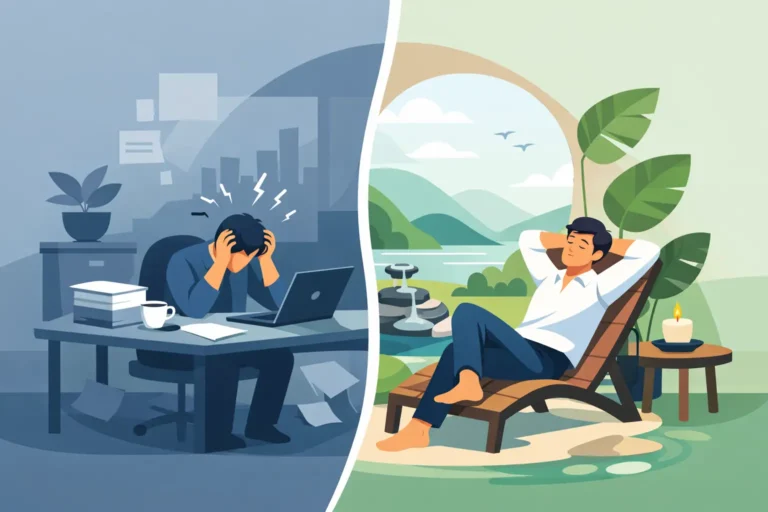
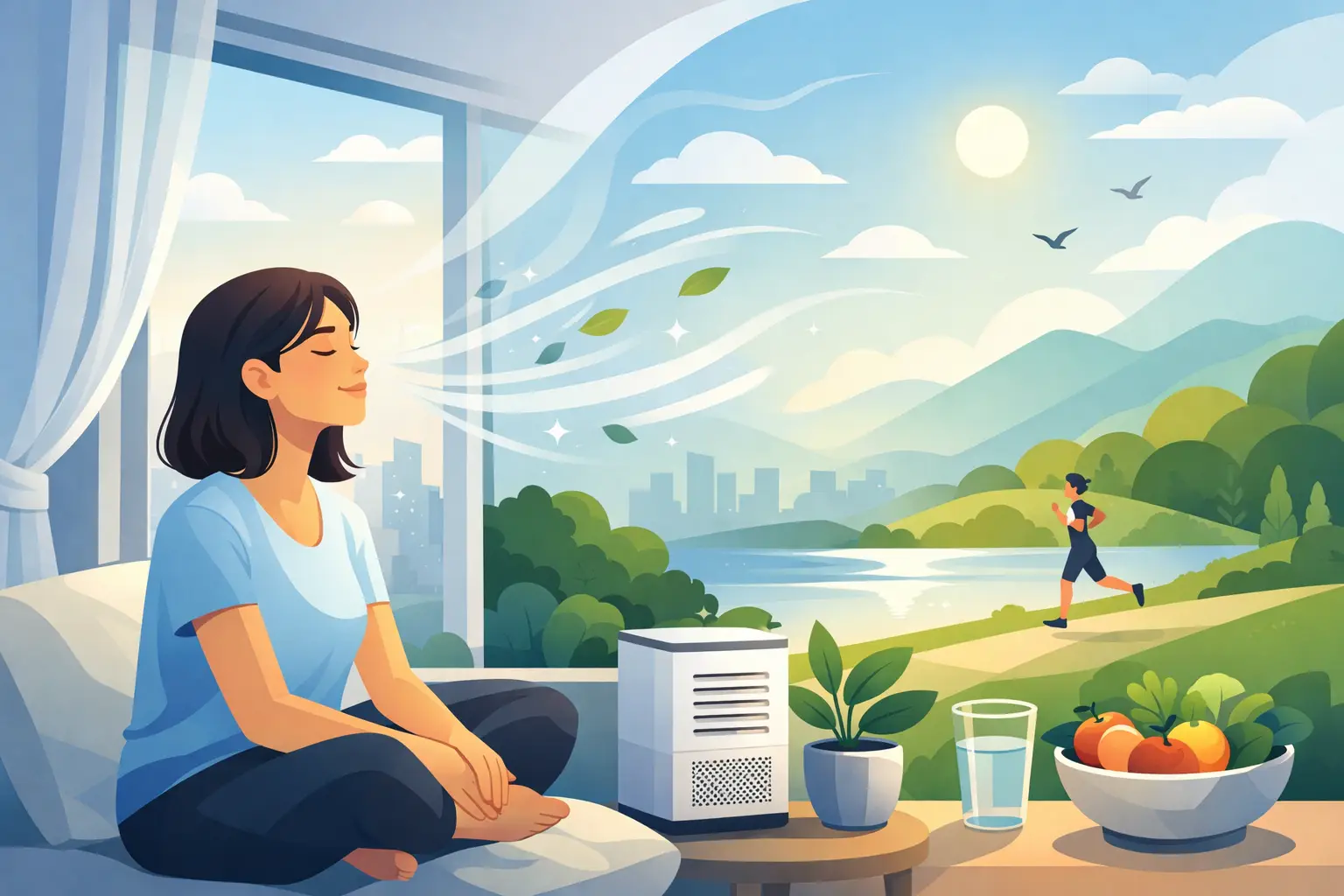
A meeting room can look immaculate, a hotel suite can feel beautifully designed, and a home can be thoughtfully furnished – yet the space may still leave people feeling heavy, distracted, or less rested than expected. Why does air quality matter? Because breathing is not an occasional wellness ritual. It is the body’s most continuous exchange with its surroundings, shaping how a space feels from the first breath to the last hour spent inside it.
For people investing in preventive health, better recovery, and higher-performing environments, air quality is not a background detail. It is part of the foundation. The air in a bedroom, office, treatment room, hotel suite, or living space influences comfort, perceived freshness, respiratory ease, and the conditions that support concentration and rest.
Why Does Air Quality Matter in Indoor Spaces?
Most people spend much of their day indoors. That makes the indoor environment more than a shelter from outdoor conditions. It becomes a daily wellness setting, one that can either support the body’s natural rhythms or add to its existing load.
Indoor air may contain a changing mix of fine particles, odors, volatile organic compounds, pollen brought in from outside, pet-related allergens, moisture, and microorganisms. Cooking, cleaning products, building materials, textiles, occupancy, traffic pollution entering through windows, and poor airflow can all affect the mix. The precise concern depends on the building, the season, local outdoor conditions, and how the space is used.
When the air feels stale or irritating, people often notice it before they can name the cause. A room may seem stuffy. Concentration may fade during a long afternoon. Guests may open a window despite outside noise, or employees may feel restless in a meeting that has gone on too long. These signals are not always caused by a single air-quality factor, but they reveal something valuable: environmental comfort is closely connected to how we function.
Air quality matters because it turns wellness from an occasional activity into a condition built into everyday life. The goal is not to create a clinical-looking space or promise a perfect environment. It is to make healthier conditions feel natural, refined, and easy to live with.
The Daily Effects Go Beyond Breathing
Air quality is often discussed only in relation to respiratory health. That is a necessary part of the conversation, especially for people sensitive to allergens or airborne irritants. But its relevance reaches further, into the quality of work, rest, hospitality, and recovery.
Focus and cognitive comfort
In offices, educational settings, and meeting spaces, fresh-feeling air contributes to an environment where people can remain engaged. Ventilation, temperature, humidity, and the level of indoor pollutants work together to affect perceived comfort. If a room becomes overly warm, dry, humid, or stale, even a well-planned workday can feel harder than it should.
For an office manager, this is not merely an operational issue. It is part of the experience of the workplace. A space that supports focus communicates care for the people using it. In a premium business setting, the invisible details often determine whether a room feels energizing or draining.
Sleep and recovery
The bedroom is where environmental quality becomes deeply personal. Sleep requires more than darkness and quiet. A bedroom that feels stuffy, carries persistent odors, or has uncomfortable humidity can interfere with the sense of ease needed to settle down.
No air solution can replace healthy sleep habits, medical care when needed, or the basics of a supportive sleep environment. Still, air deserves a place in the conversation. Creating a calmer, cleaner-feeling atmosphere can complement routines that promote rest, especially for people whose days are defined by travel, work pressure, training, or family demands.
Respiratory ease and allergy-aware living
For those managing seasonal sensitivities or respiratory discomfort, the indoor environment can make a meaningful practical difference. Outdoor pollen and pollution can enter buildings, while dust and moisture-related issues may develop inside. The best approach depends on individual needs and the condition of the property.
This is where thoughtful assessment matters. Persistent dampness, visible mold, strong chemical odors, or symptoms that continue in a particular building should not be treated as a lifestyle inconvenience. They may require professional inspection, source control, cleaning, repairs, or medical guidance. Wellness technology can be part of a broader environmental strategy, but it should never distract from addressing the cause of a serious problem.
Air Quality Is a Hospitality Standard
Guests remember how a hotel made them feel, even when they cannot explain why. They remember whether the room supported real rest after a flight, whether the spa felt restorative, and whether the conference space remained comfortable through a full day of conversations.
For hospitality leaders, air quality belongs alongside lighting, acoustics, linens, and scent as an essential sensory layer. Unlike visual design, however, air interacts directly with every guest, every minute. A well-considered indoor atmosphere can elevate the perception of cleanliness, calm, and thoughtful service without demanding attention.
The same principle applies to wellness and rehabilitation centers. Clients may arrive seeking relief from stress, fatigue, demanding schedules, or the need to reset. The environment should reinforce that intention. When air, light, temperature, and the overall rhythm of a space work together, the setting feels coherent rather than decorative.
What Shapes Better Indoor Air?
There is no single metric that defines a healthy space. Different buildings have different challenges, and a strategy that works in a private home may not be sufficient for a busy hotel floor or a high-occupancy office. Still, four practical areas consistently deserve attention:
- Ventilation and fresh-air exchange: Appropriate airflow helps prevent the feeling of a closed, overused room. Building design, weather, occupancy, and local outdoor conditions all influence what is practical.
- Source control: Reducing strong fragrances, smoke exposure, excess moisture, and unnecessary chemical emissions can be more effective than attempting to mask them later.
- Humidity and temperature balance: Air that is too dry or too humid can reduce comfort and may create conditions that are less supportive for the space and its occupants.
- Ongoing maintenance: Filters in building systems, moisture-prone areas, textiles, and ventilation components need consistent attention. A premium environment depends on details that are maintained, not simply installed.
The trade-offs are real. Opening windows may bring welcome fresh air, but it can also introduce pollen, noise, humidity, or urban pollution. Higher ventilation rates may improve comfort while increasing energy demands. Fragrance can create an immediate impression, yet strong scent is not a substitute for sound environmental management and may bother sensitive guests. Good decisions consider the building, the people in it, and the purpose of the room.
A More Complete View of Wellness Design
The most effective wellness spaces do not rely on one feature to do everything. They bring complementary elements together with a clear purpose: supporting the body’s need for calm, recovery, and sensory balance.
That is why air quality should be considered alongside restorative light, thoughtful interior materials, quiet acoustics, and routines that encourage people to pause. Red and near-infrared photobiomodulation, for example, is a separate wellness modality designed to support regeneration and recovery through specific wavelengths of light. It does not replace healthy air practices, just as healthy air does not replace sleep, movement, nutrition, or professional care. Their value lies in being integrated intelligently rather than presented as competing solutions.
HealthWise approaches this idea as a complete environment. By pairing Forest Air’s nature-inspired, light-activated air revitalization with Nircura’s red and near-infrared photobiomodulation systems, the concept brings breathing and recovery into the same premium wellness experience. For a hotel room, executive office, spa suite, or health-focused home, that integration helps turn a functional room into a space designed around how people actually live and restore themselves.
How to Make Air Quality Part of Everyday Decisions
Start with observation, not assumptions. Notice where people feel tired, where odors linger, which rooms feel stuffy, and whether comfort changes with the number of occupants, the weather, or a particular activity. A hotel may find that guest comfort concerns cluster in rooms exposed to traffic. An office may recognize that meeting rooms need more attention than open work areas. A family may notice that the bedroom environment matters most during allergy season.
Then prioritize the issues that can be addressed at the source. Check for moisture, maintain the building’s ventilation systems, choose lower-emission materials when renovating, and establish cleaning practices that support comfort without overwhelming a space with fragrance. Where appropriate, use environmental monitoring and professional assessments to guide decisions rather than relying on guesswork.
The strongest wellness environments are not defined by a single dramatic feature. They are defined by consistency. When people can breathe comfortably, focus with less friction, and settle into rest more easily, the space is quietly doing what it was designed to do.
Air is present in every moment spent indoors. Treating it as part of the wellness experience is a practical way to make homes, hospitality spaces, and professional settings feel more restorative – not only when someone needs a break, but every day they walk through the door.