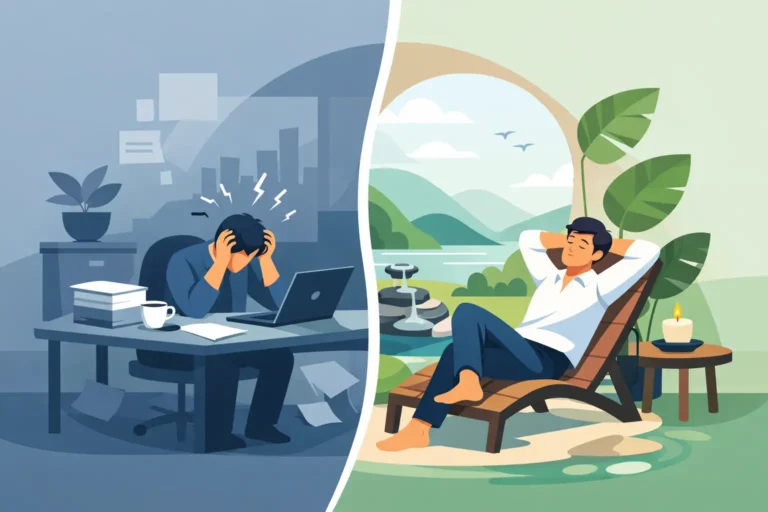

The most valuable square footage in an office may not be another meeting room. It may be a quiet, intentionally designed place where people can reset between high-focus work, difficult conversations, travel, and long hours at a screen. This workplace regeneration space guide explains how to create that environment with a clear purpose: supporting recovery, clearer focus, and a better daily experience for employees and visitors.
A regeneration space is not a decorative lounge with a wellness label. It is a practical part of the work environment, designed around the fact that sustained performance requires periods of downshifting. The best spaces feel calm and premium without feeling precious. They are easy to access, simple to use, and integrated into the rhythm of the workplace.
What a Workplace Regeneration Space Is Designed to Do
Workplaces ask people to make decisions, communicate with care, solve problems, and maintain concentration for much of the day. Even in well-managed teams, that demand creates physical and mental load. A dedicated regeneration space gives people a brief, structured opportunity to step away from that intensity.
The goal is not to turn the office into a spa, nor to imply that a 10-minute break can resolve chronic stress or a demanding organizational culture. A thoughtful space works alongside sound leadership, manageable workloads, movement, and healthy work practices. Its role is more focused: to make restorative pauses more available, more appealing, and more consistent.
For office managers, this can mean fewer employees trying to recover in stairwells, parked cars, or crowded kitchens. For hotels, rehabilitation settings, and wellness professionals, it creates a differentiated guest or client experience rooted in practical well-being rather than generic luxury.
Start With the Needs of the People Using It
The right regeneration space depends on where it will be used. A finance team working under deadlines has different needs from a hotel guest arriving after a long flight. A rehabilitation center may prioritize calm, accessibility, and guided use, while a creative studio may need a short reset zone close to the work floor.
Before choosing finishes or technology, consider three questions. When will people use the space? What kind of strain are they likely carrying into it? And how much privacy does the setting require?
A small office may benefit from a compact room that accommodates one or two people at a time, with clear booking rules. A larger employer may create several quiet recovery points across the workplace so that people do not need to cross an entire building to use one. In hospitality, a mobile in-room wellness setup can be more relevant than a dedicated shared room, especially when privacy is part of the premium experience.
Usage also affects design decisions. A room intended for five-minute pauses should feel immediately intuitive. A setting for 20 to 30 minutes of restorative use can support more comfortable seating, lower stimulation, and optional guided breathing or light sessions.
Build the Environment Before Adding Features
Technology can add meaningful value, but the foundation is the environment itself. If a space is noisy, overly bright, cluttered, or constantly interrupted, even advanced wellness equipment will struggle to deliver the experience people expect.
Manage sensory load
Choose a location away from printers, break-room traffic, elevators, and active meeting zones. Acoustic treatment matters because sound is often the first signal that a room is not truly private. Soft surfaces, door seals, thoughtful placement, and discreet sound masking can reduce interruptions without making the room feel closed off.
Lighting should be layered rather than flat. Bright task lighting has its place elsewhere in the office. A regeneration setting benefits from softer, adjustable ambient light that helps users shift away from screen-heavy stimulation. Natural materials, restrained colors, and uncluttered surfaces reinforce the same message: this is a place to pause, not another place to perform.
Treat air as part of the wellness experience
People notice air quality quickly, even if they cannot always describe why a room feels refreshing or stale. Temperature, airflow, humidity, and the sensation of breathing comfortably shape whether a space feels restorative.
Nature-inspired, light-activated air revitalization can be a valuable component in a premium regeneration setting. Rather than treating the atmosphere as background infrastructure, it makes the quality of the surrounding environment part of the experience. This is particularly relevant in enclosed offices, hotel rooms, and professional wellness spaces where people may spend extended periods indoors.
The practical standard is simple: the room should feel fresh, comfortable, and consistently cared for. Regular maintenance, ventilation planning, and monitoring of the broader building environment remain essential.
Use restorative light with a clear protocol
Red and near-infrared photobiomodulation is increasingly considered in wellness environments because it offers a non-invasive approach that can support recovery routines. In a workplace setting, the key is thoughtful implementation, not novelty.
Provide clear instructions, session timing, hygiene standards, and appropriate professional guidance. A device should fit the room’s use case and user flow. For example, a seated station may suit a short break between meetings, while a more comprehensive setup may be appropriate for a hotel wellness suite or a rehabilitation-focused environment.
As with any wellness technology, avoid exaggerated promises. Individual experiences vary, and photobiomodulation should be presented as part of a broader recovery practice, not a replacement for medical care, sleep, movement, or clinical advice.
Design for Use, Not Just Appearance
A beautifully finished room that employees feel awkward entering will sit empty. Adoption depends on small operational details: where the room is located, whether it can be booked, how long a session lasts, and whether managers visibly respect time spent there.
Make the intended use clear without overcomplicating it. A simple message such as “take 10 minutes to reset” removes uncertainty. Privacy indicators outside the room, easy cleaning procedures, and a small storage area for personal items make the experience feel considered.
Furniture should support the chosen activity. A supportive lounge chair can be better than a deep sofa that encourages slouching. If users may sit for a light-based session, ensure positioning is comfortable and straightforward. If the room is intended for breathing exercises or quiet decompression, leave enough open space to prevent it from feeling crowded.
The design should also be inclusive. Consider users with limited mobility, sensory sensitivity, fragrance sensitivities, and differing expectations around privacy. Premium wellness is not about adding more features. It is about making the right features feel natural for more people.
Create a Short, Repeatable Recovery Ritual
A regeneration space becomes more effective when users know what to do once they enter. The routine does not need to be elaborate. In fact, the best workplace rituals are short enough to fit real schedules.
A 10-minute reset might begin with putting devices away, sitting comfortably, and taking slow, steady breaths for two minutes. The user can then spend several minutes in a calm environment, optionally using an approved red or near-infrared light protocol. The final minute is for returning to the day deliberately, perhaps with water and one clear priority for the next task.
This structure is especially useful for teams that work in cycles of intense concentration. It gives people permission to pause without requiring them to invent a wellness practice in the middle of a demanding day. Over time, the room can become part of a healthier culture of sustainable performance.
Measure What Matters
A regeneration space should be evaluated as an employee or guest experience investment, not judged only by whether it looks impressive in photographs. Start with practical indicators: booking frequency, repeat use, average session length, user feedback, and the times of day demand is highest.
Qualitative feedback is often revealing. Ask users whether the space feels private, intuitive, comfortable, and genuinely different from simply sitting at their desk. If it is rarely used, the answer may be visibility, scheduling, location, or workplace culture rather than the equipment itself.
For business leaders, the strongest case is usually a combination of wellness value and operational value. A well-designed space can reinforce an employer brand, improve the perceived quality of a hotel stay, support a professional wellness offering, and show that recovery is treated as a real part of modern performance.
HealthWise brings together nature-inspired air revitalization and advanced red and near-infrared photobiomodulation in one coherent wellness concept. For organizations that want more than isolated products, this integrated approach helps turn a room into an experience with a clear purpose.
A Practical Workplace Regeneration Space Guide for Planning
Begin with a pilot rather than trying to transform an entire facility at once. Select a space with enough privacy, establish a simple usage protocol, and introduce the room clearly to the people it is intended to serve. Give the pilot enough time to reveal genuine patterns of use.
Then refine it. If employees use it after afternoon meetings, protect that time. If hotel guests value in-room privacy, prioritize a mobile setup. If a rehabilitation or wellness center needs guided sessions, invest in staff education as carefully as in the physical environment.
The most successful regeneration spaces do not demand attention. They quietly make it easier for people to breathe, settle, and return to what matters with more presence.