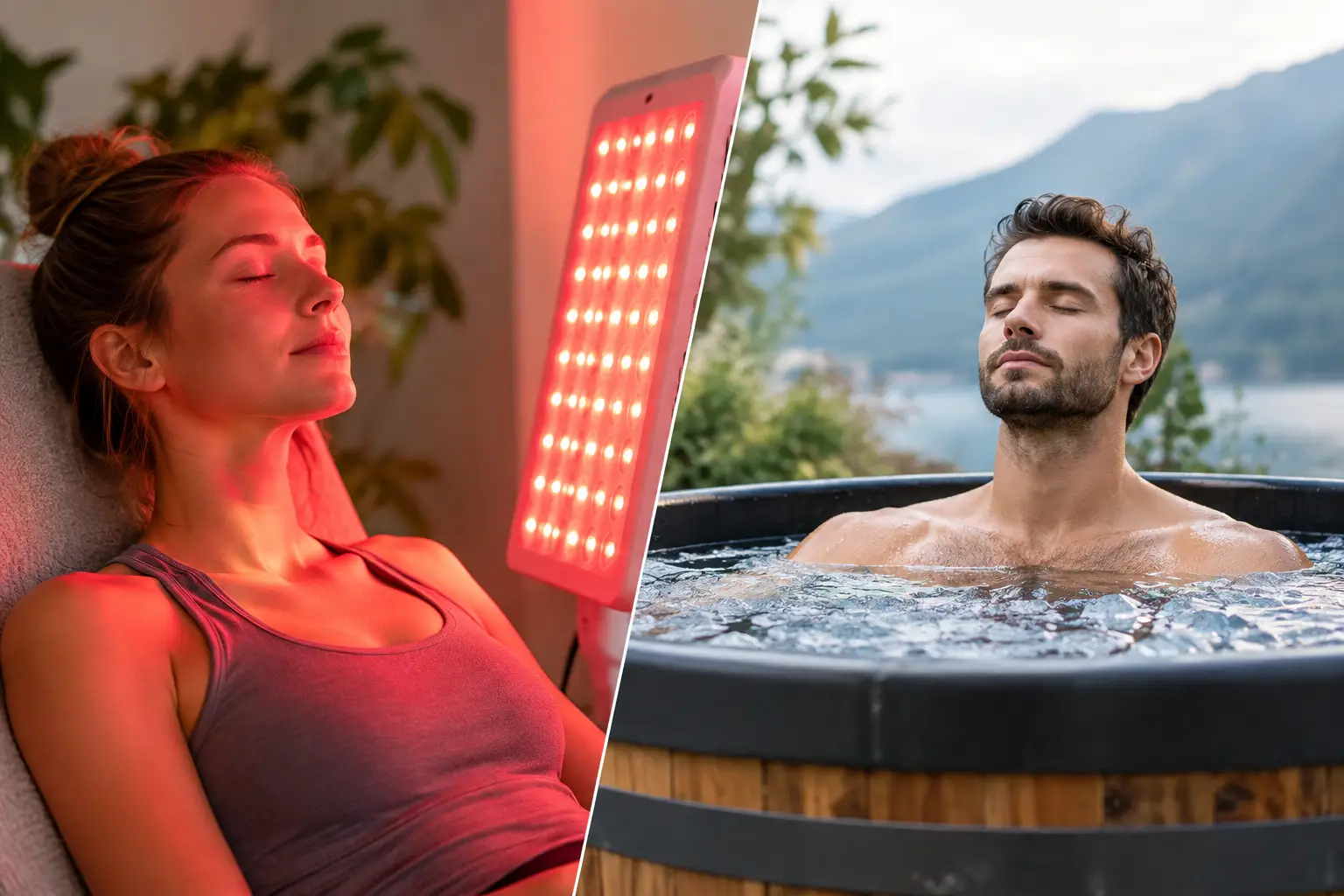
A hard training week, a demanding hotel schedule, or another evening spent answering messages can leave the body asking for recovery without asking for more effort. That is where light therapy versus cold plunge becomes a useful comparison. Both are popular wellness tools, but they create very different experiences, suit different people, and belong in different recovery routines.
One uses targeted red and near-infrared wavelengths to support cellular processes without disrupting comfort. The other uses cold water to create an intense, short-term physiological stressor. Neither is automatically better. The more practical question is: what outcome do you need, and what can you use consistently?
Light Therapy Versus Cold Plunge: The Core Difference
Red and near-infrared light therapy, often called photobiomodulation, delivers specific wavelengths of light to the body. Red light is generally used for more superficial tissues, while near-infrared light can reach deeper tissue. The goal is not heat or a dramatic sensation. It is a controlled, non-invasive treatment designed to support cellular energy production, circulation, recovery, and tissue function.
A cold plunge works through rapid exposure to cold water. The body responds with vasoconstriction, a rise in alertness, and activation of the sympathetic nervous system. Many people value the immediate sensation of clarity and accomplishment that follows. It can feel energizing, but it is intentionally demanding.
This distinction matters in premium wellness settings. Light therapy is usually quiet, dry, and easy to integrate into a morning routine, recovery room, hotel suite, or professional practice. Cold immersion requires water management, drainage, temperature control, sanitation, and a user who is prepared for an intense experience.
What Each Approach May Support
The strongest choice depends on whether the priority is regeneration, stimulation, relaxation, or a specific recovery window.
Red and Near-Infrared Light Therapy
Photobiomodulation is often selected by people who want consistent support without adding another stressor to their day. Research continues to examine its potential role in muscle recovery, temporary pain relief, skin appearance, circulation, and inflammatory signaling. Results depend on the wavelength, device quality, dose, treatment area, and protocol. More intensity is not necessarily more effective.
For a busy executive, traveler, or wellness client, the practical appeal is substantial. A session can be calm rather than confrontational. There is no need to brace against cold, dry off afterward, or reorganize a schedule around changing rooms and water facilities. When paired with a restorative environment, light therapy can become a reliable cue for slowing down and recovering.
It may also fit well later in the day. While individual responses vary, many users find red and near-infrared sessions relaxing. That makes this modality particularly relevant for spaces designed around better evening routines and recovery-focused sleep habits.
Cold Plunge
Cold immersion is usually chosen for its immediate effect. A plunge may make a person feel alert, mentally sharp, and reset after a difficult workout or long day. For some people, the deliberate discomfort is part of the value. It creates a clear break from passive habits and can reinforce a sense of resilience.
There are legitimate trade-offs. Cold exposure can be stressful, especially for beginners, and the excitement of the experience can be mistaken for broad recovery benefits. Timing also matters for strength-focused training. Regular cold immersion immediately after resistance exercise may not suit someone whose primary goal is maximizing muscle adaptation, since some inflammatory signaling is part of the training response.
Cold plunges are not a casual choice for everyone. People with cardiovascular disease, uncontrolled high blood pressure, circulation disorders, Raynaud’s phenomenon, pregnancy-related concerns, or other medical conditions should speak with a qualified clinician before starting. The same principle applies to light therapy for people with photosensitivity, those taking photosensitizing medications, or anyone managing a medical condition that requires individualized guidance.
Choose Based on the Experience You Can Repeat
The wellness practice that delivers value is usually the one that remains realistic after the first week. This is where the comparison becomes less about trends and more about design.
A cold plunge may be the right fit for a healthy, experienced user who enjoys intense rituals and wants a sharp, invigorating start to the day. In a spa or performance environment, it can be a powerful feature when proper screening, supervision, hygiene, and recovery education are in place.
Light therapy may be the stronger fit for people seeking low-friction regeneration. It supports a wider range of settings because it does not require water infrastructure or tolerance for discomfort. For hotels, offices, rehabilitation environments, and high-end homes, that usability can matter more than a dramatic wellness moment.
The best programs do not frame recovery as punishment. They recognize that the nervous system, schedule, physical condition, and personal preference all influence what a person will use. A calm 15-minute light session completed four times a week may be more valuable than a cold plunge ritual attempted once and abandoned.
Recovery, Stress, and Sleep Are Not the Same Goal
Cold exposure is often marketed as a universal answer to discomfort, fatigue, and mental health. That oversimplifies the picture. Its acute stress response may feel invigorating, but stimulation is not always what a depleted person needs.
If the goal is to become more alert before a morning meeting or after a poor night of sleep, a carefully managed cold exposure may appeal. If the goal is to create a calmer recovery transition after travel, screen-heavy work, or exercise, red and near-infrared light therapy may be the more compatible choice.
Sleep deserves particular attention. Cold water can be useful when it is scheduled and tolerated well, but an overly stimulating ritual close to bedtime may not suit every user. Light therapy, especially when used as part of a quiet evening environment, offers a gentler option. It should not be positioned as a cure for insomnia, but it can support a more intentional wind-down routine when combined with consistent sleep habits.
Why Environment Changes the Answer
Wellness technologies do not operate in isolation. A recovery practice is more likely to work when the surrounding space supports it: comfortable temperature, thoughtful lighting, clean design, quiet, and enough time to pause.
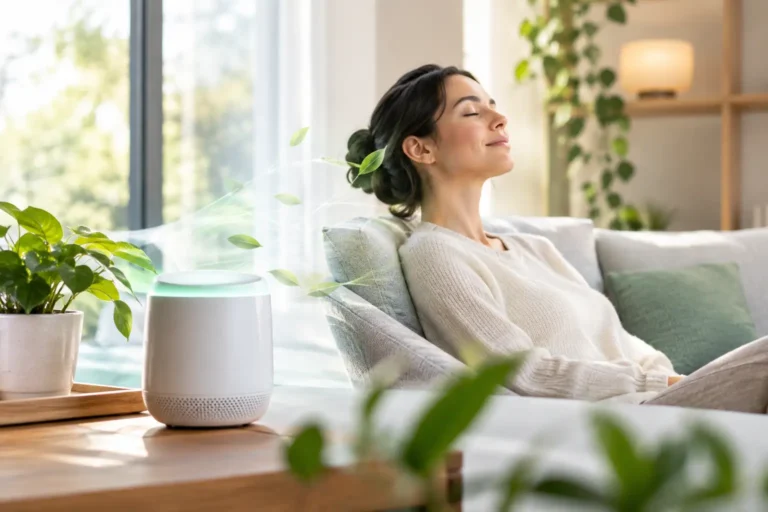
That is why integrated wellness environments have a different value from standalone devices. HealthWise combines nature-inspired, light-activated air revitalization with advanced red and near-infrared photobiomodulation to create spaces that support breathing, restoration, and everyday vitality. The concept is not about chasing the most extreme intervention. It is about making regeneration practical in the places people already live, stay, and work.
For hospitality operators and wellness professionals, this creates a broader service opportunity. A guest or client may not want to step into icy water. Most can sit or stand comfortably for a light session in a thoughtfully prepared environment. That accessibility can help a wellness offering feel premium without becoming intimidating.
A Practical Way to Decide
Start with your baseline. If you are exhausted, highly stressed, new to recovery practices, or designing for a diverse audience, prioritize comfort, consistency, and clear protocols. Light therapy is often the simpler entry point.
If you already tolerate cold well, have appropriate medical clearance, and value a brief, energizing challenge, cold plunging can complement an established routine. Begin conservatively. Duration and water temperature should not be treated as a competition.
Using both is also possible. Some people reserve cold exposure for selected mornings or post-endurance recovery days, while using red and near-infrared light therapy more regularly for a low-disruption regenerative practice. The right schedule should reflect training load, stress level, sleep quality, and how your body responds over time.
Choose the method that supports the life you are actually living. The most refined recovery routine is not necessarily the coldest or most technical one. It is the one that leaves you better prepared to move, focus, rest, and return to the day with more capacity.