A beautiful lobby may create a strong first impression, but the guest experience is ultimately decided behind a closed room door. After a delayed flight, a demanding meeting, or a day of travel, guests are not simply looking for luxury. They want to feel calmer, sleep more deeply, breathe comfortably, and leave with more energy than they arrived with. That expectation is reshaping hospitality wellness trends.
For hotels, resorts, spas, and rehabilitation-focused properties, wellness is moving beyond a treatment menu or a gym with premium equipment. The next standard is an environment that supports recovery throughout the stay – especially in the private room, where guests spend the most uninterrupted time.
Hospitality wellness trends are moving into the room
For years, hotel wellness was largely destination-based. Guests went somewhere specific to receive a massage, join a yoga class, or book a spa ritual. These services remain valuable, but they require time, planning, and availability. Many business travelers and short-stay guests never use them.
The more relevant opportunity is to bring meaningful wellness closer to the guest’s everyday rhythm. In-room wellness turns the room from a place to sleep into a personal recovery setting. It recognizes that a guest may have only 20 quiet minutes between work, dinner, and rest, yet still value a tangible way to reset.
This does not mean every hotel room needs to become a clinical space. The strongest concepts remain discreet, elegant, and easy to use. They combine comfort with purposeful technology, allowing the guest to choose a short regenerative session without appointments, complicated instructions, or a dramatic change to the room design.
This shift also has commercial value. A room that supports better rest and recovery can create a more memorable stay than another decorative feature. It gives premium properties a credible point of difference while offering corporate, wellness, and spa guests a benefit that fits their actual schedules.
Sleep quality is becoming a service standard
Sleep has become one of the clearest wellness expectations in hospitality. High-quality bedding and sound management still matter, but travelers increasingly understand that recovery depends on more than a mattress. Light exposure, stress levels, travel fatigue, room atmosphere, and personal routines all influence how rested someone feels the next morning.
Hotels are responding with darker rooms, thoughtful lighting scenes, quieter ventilation, sleep-oriented menus, and digital features designed to reduce friction. The best implementations do not overload guests with wellness instructions. They make the healthier choice feel natural: softer evening light, a calmer environment, and tools that can be used in a few minutes before bed or after waking.
For properties serving executives, athletes, or guests crossing time zones, this is especially relevant. The goal is not to promise a perfect night’s sleep. It is to create conditions that better support a guest’s ability to slow down, rest, and recover from an unusually demanding day.
Light is becoming part of the recovery experience
Light is no longer only an interior design decision. Red and near-infrared photobiomodulation is gaining attention in premium wellness settings because it offers a non-invasive approach that can complement recovery routines. Depending on the system and protocol, guests may use it as part of a short session focused on relaxation, post-travel recovery, or preparing for rest.
The hospitality application must be simple and responsibly communicated. Hotels should avoid presenting wellness technology as a substitute for medical care or making broad treatment claims. Instead, they can offer it as a considered amenity within a wider recovery environment, supported by clear instructions, appropriate safety guidance, and staff education.
That balance matters. Guests with a strong interest in preventive health and longevity appreciate sophisticated technology, but they also expect transparency. Premium wellness means a polished experience backed by a clear explanation of what the technology is designed to support and how to use it properly.
The quality of the room environment matters more
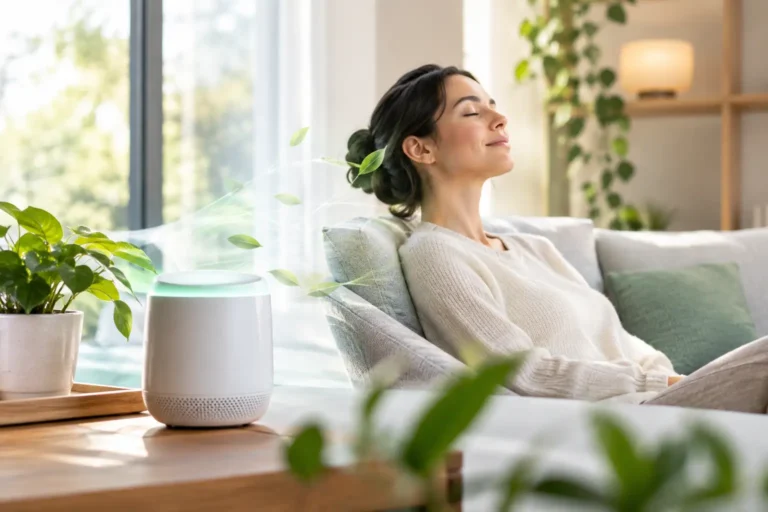
Guests increasingly notice how a space feels, even when they cannot immediately explain why. A room can be visually refined yet still feel stale, overly dry, mentally stimulating, or disconnected from the restorative atmosphere a hotel intends to create. Environmental wellness addresses this gap.
Nature-inspired air revitalization, calming light, natural materials, temperature control, and thoughtful acoustics can work together to make a room feel more breathable and restorative. This is not about adding a collection of disconnected devices. It is about designing one coherent experience in which each element supports the same outcome: a more comfortable, calmer setting for rest and renewal.
For hospitality leaders, this creates an important design question: What does the guest feel within the first ten minutes in the room? A truly wellness-led space should signal ease immediately. The experience should not depend on reading an instruction card, downloading an app, or understanding complex settings.
From standalone amenities to integrated wellness spaces
One of the most significant hospitality wellness trends is integration. Hotels have learned that isolated features rarely create a lasting impression. A yoga mat in a closet, a menu of supplements, or a single light device may be useful, but these items can feel incidental when they are not part of a larger guest journey.
An integrated wellness space combines the quality of the environment with regenerative tools that guests can access privately. Forest Air’s nature-inspired, light-activated air revitalization and Nircura’s red and near-infrared photobiomodulation systems represent this direction: complementary technologies designed to support breathing, calm, regeneration, and everyday recovery in one refined setting.
For a hotel, this may be a dedicated wellness suite, a premium in-room package, a recovery room near the spa, or a mobile wellness concept that can be adapted across different property types. The right model depends on the guest profile, room inventory, staff capacity, and brand positioning.
A city business hotel may prioritize compact, time-efficient recovery options. A luxury resort can build a more immersive ritual around the same technologies. A rehabilitation center may require greater staff training and a more structured guest protocol. The common principle is simple: wellness should be accessible at the moment it is needed, not only during a scheduled appointment.
Guests want personalization without complexity
Personalization is often misunderstood as more choice. In practice, too many settings can make a wellness amenity feel technical or intimidating. Guests want relevance, not a control panel full of decisions.
The better approach is guided simplicity. A guest might choose a short morning energy routine, a post-travel reset, or an evening wind-down session. Those options are intuitive because they reflect real situations rather than scientific terminology. Behind the scenes, the hotel can maintain consistent protocols and ensure that the equipment is presented safely and professionally.
This is also where trained staff add value. Front-desk teams, spa professionals, and guest-experience managers do not need to become medical practitioners. They do need enough knowledge to explain the purpose of the offering, direct guests to suitable instructions, and recognize when a guest should seek advice from a qualified healthcare professional instead.
Wellness is becoming an operational decision
The excitement around wellness can lead properties to chase trends without considering long-term operations. The more useful question is not, “What wellness feature is popular?” It is, “What can we deliver reliably, elegantly, and in a way our guests will actually use?”
A successful implementation needs durable technology, clear hygiene and maintenance procedures, considered placement, guest education, and staff confidence. It should also fit the property’s design language. A premium wellness experience loses credibility when it looks improvised or creates unnecessary work for housekeeping and operations teams.
Measurement matters as well. Hotels can monitor adoption through bookings, guest feedback, repeat stays, premium room upgrades, and comments about sleep, relaxation, or recovery. These insights help operators improve the experience rather than relying on novelty alone.
HealthWise approaches this opportunity as a complete environment, pairing advanced wellness technologies with practical consulting and education for partners who want a credible, commercially viable offering. The emphasis is not on adding another gadget to the room. It is on creating a space with a clear purpose and a guest benefit that can be felt.
The properties that lead in wellness will not be those with the longest list of amenities. They will be the ones that understand a modern traveler’s real need: a private place to recover well, even when life is moving quickly.