
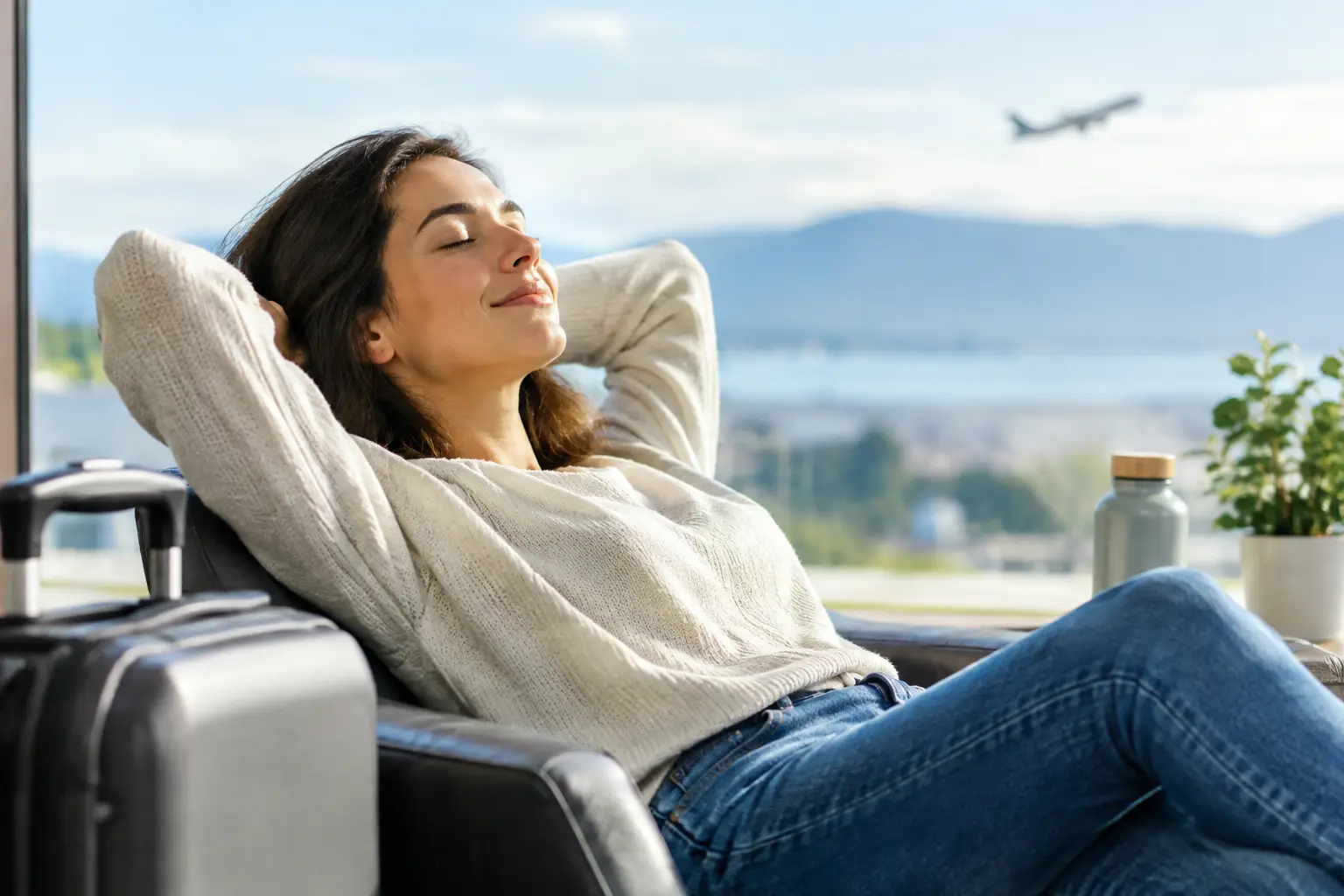
The hotel-room moment after a long flight can be deceptively demanding: your body is still operating on another clock, your legs feel heavy, and even simple decisions take more effort. Knowing how to reduce travel fatigue is not about forcing productivity after arrival. It is about helping your nervous system, circulation, sleep rhythm, and environment return to a steadier state.
For frequent business travelers, wellness guests, and families crossing time zones, recovery starts before the suitcase is unpacked. A few deliberate choices can reduce the intensity of jet lag, protect sleep, and make the first 24 to 48 hours feel far more manageable.
Why travel fatigue feels so disruptive
Travel fatigue is more than ordinary tiredness. Long periods of sitting can leave the body stiff and sluggish, while dry cabin air, irregular meals, and inadequate hydration can add to physical discomfort. Then there is the cognitive load: airports, schedules, screens, unfamiliar rooms, and the pressure to perform soon after arrival.
When time zones are involved, the challenge becomes deeper. Your circadian rhythm – the internal timing system that influences sleep, alertness, body temperature, and digestion – may not match local daylight or your meeting schedule. A short domestic trip may call for simple rest and movement. A transatlantic journey may require a more intentional sleep and light strategy.
The goal is not to control every variable. It is to create enough stability around the journey that your body can adapt efficiently.
How to reduce travel fatigue before you leave
The highest-value recovery habits often begin one or two days before departure. If you are traveling east or west across several time zones, gradually shifting bedtime and wake time by 30 to 60 minutes can make the transition less abrupt. This is not always practical, especially for short business trips, but even a modest adjustment can help.
Protect sleep in the nights before travel. Trying to compensate for a demanding itinerary by sleeping less beforehand usually makes the first day away harder. Prioritize a consistent bedtime, limit late-night alcohol, and avoid treating a red-eye flight as a guaranteed substitute for real sleep.
Hydration also deserves attention before boarding. Start the day with water and continue drinking regularly rather than waiting until thirst becomes obvious. For most travelers, a reusable bottle filled after security makes this easier. If you are prone to swelling, migraines, or have a medical condition that affects fluid intake, follow advice from your healthcare professional.
Choose clothing and footwear that allow comfortable movement. This is a small operational detail with a real effect: restrictive clothing, tight waistbands, or shoes that become uncomfortable when feet swell can make several hours of travel feel longer than they are.
Build recovery into the journey itself
On a long flight or drive, the body benefits from regular signals that it is safe to stay mobile and alert. Stand up when appropriate, walk briefly, and move your ankles, calves, shoulders, and hips from your seat. These small motions support comfort and circulation without turning the journey into a workout.
Caffeine can be useful, but timing matters. A coffee at the beginning of an early travel day may improve focus. Repeated caffeine late in the day, especially when you need to sleep upon arrival, can prolong the cycle of exhaustion. The same principle applies to alcohol: it may make a traveler feel sleepy initially, but it can fragment sleep and contribute to dehydration.
Food does not need to be perfect, but overly heavy meals can make fatigue feel more intense. Aim for familiar, balanced choices with protein, fiber, and slow-digesting carbohydrates when possible. If a late dinner is unavoidable, keep portions moderate and give yourself a little time to settle before bed.
For overnight flights, create the clearest possible distinction between rest and wakefulness. An eye mask, neck support, and reduced screen exposure can help signal that it is time to sleep. If you cannot sleep, quiet rest still has value. The pressure to sleep immediately often creates more frustration than benefit.
Use daylight to reset your body clock
Light is one of the strongest cues for circadian timing. After arrival, getting outside in natural daylight can help your system understand the local schedule. Morning light is often helpful when adjusting to an earlier schedule; late-afternoon or evening light may be more useful when trying to shift later. The ideal approach depends on the direction and length of travel.
A simple rule works well for most short trips: align with local daytime as soon as you reasonably can. Open the curtains, take a walk outside, and avoid spending the entire day in a dark room. If you arrive exhausted, a short nap may restore function, but keep it brief – generally 20 to 30 minutes – so it does not replace the night’s sleep.
At night, reduce bright light and screen intensity before bed. Your room should feel like a recovery space, not an extension of the airport or office. Low, warm lighting, a cooler temperature, and a predictable wind-down routine can make an unfamiliar room feel more supportive.
Make your arrival environment part of recovery
Travel recovery is often discussed as a matter of supplements, sleep masks, or willpower. The environment receives less attention, even though it shapes how easily the body can downshift. A quiet room, comfortable bedding, thoughtful lighting, and a clean-feeling atmosphere can reduce sensory strain when the traveler is already depleted.
For hotels, spas, and premium workplace hospitality settings, this is an opportunity to offer more than comfort. A dedicated recovery environment can support guests who are arriving after flights, long drives, conferences, or demanding schedules. Rather than adding another task to the guest’s day, it creates a space where restorative habits feel natural.
HealthWise approaches this idea by bringing nature-inspired, light-activated air revitalization together with red and near-infrared photobiomodulation in a mobile wellness concept. These modalities are designed to complement a broader recovery routine, not replace sleep, hydration, movement, or medical care. For travelers, the value is practical: a more intentional setting for pausing, breathing, and restoring after the strain of transit.
Move gently, then give yourself permission to stop
A demanding workout immediately after landing is not always the smartest response to fatigue. If you have slept poorly, are dehydrated, or feel disoriented, intense exercise may add stress rather than relieve it. Gentle movement is usually the better first step.
Take a 15- to 30-minute walk, stretch your hip flexors and upper back, or choose a light mobility session. These actions can ease the stiffness created by sitting and provide daytime light exposure if done outdoors. Once you have slept properly and feel more grounded, return to your normal training routine.
This is particularly relevant for executives and professionals who are used to solving fatigue by pushing through it. Performance does matter, but recovery is not lost time. It is what allows concentration, mood regulation, and decision-making to return more reliably.
Create a first-night protocol you can repeat
The first evening after arrival sets the tone for the next day. Keep your routine simple enough to repeat in any city. Eat a light, satisfying meal if needed, hydrate steadily rather than excessively, take a warm shower, dim lights, and place your phone away from the bed. If your mind is still racing, write down the next day’s priorities instead of rehearsing them mentally.
Avoid trying several new wellness interventions at once. Travel is already a change in routine, and the body usually responds better to consistency than complexity. Choose two or three actions you know work for you and make them non-negotiable: perhaps daylight, gentle walking, and a protected bedtime.
If fatigue is severe, persistent, or accompanied by symptoms such as chest pain, shortness of breath, fainting, one-sided leg swelling, or confusion, seek prompt medical attention. These symptoms should not be treated as routine jet lag.
The most effective travel recovery plan is the one that fits the realities of your itinerary. Give your body clear signals of day and night, move often enough to release the effects of sitting, and make the room you return to feel deliberately restorative. The next journey may still be demanding, but it does not have to take days from your life.