A hotel guest may have only one evening to recover from travel. An executive may have 15 minutes between demanding meetings. A family may want their home to feel restorative rather than simply comfortable. Mobile spa solutions answer these realities by bringing targeted wellness conditions into the spaces people already use, without requiring a dedicated spa wing, clinic, or retreat.
The strongest concepts do more than add a relaxing visual element to a room. They shape the conditions that influence how people feel: the quality of the air they breathe, the light they experience, and the ease with which they can pause and recover. For premium hospitality, workplaces, rehabilitation settings, and private residences, this turns wellness from an occasional appointment into a practical part of daily life.
Why Mobile Spa Solutions Fit Modern Life
Traditional spa experiences are valuable, but they often demand time, travel, scheduling, and a purpose-built location. That model does not always meet the needs of someone dealing with long workdays, frequent travel, disrupted sleep, or a high-stimulation environment. A mobile wellness concept is designed to fit around real life rather than ask real life to slow down first.
“Mobile” does not have to mean temporary or improvised. In this context, it means adaptable. A thoughtfully designed solution can be introduced into a hotel room, executive lounge, treatment room, recovery area, office, or private bedroom. It can move with changing business needs, support pilot programs, and give a property or organization greater flexibility than a fixed installation alone.
For hotels, this creates an opportunity to make the room itself part of the guest experience. For wellness and rehabilitation professionals, it can complement an existing service offering with a non-invasive recovery environment. For homeowners, it provides a calmer, more intentional space without turning the entire home into a treatment center.
The value lies in integration. Instead of presenting separate wellness devices with separate routines, mobile spa solutions can bring complementary technologies together into one clear experience focused on breathing, restoration, and renewed energy.
The Conditions That Support Everyday Recovery
Recovery is not limited to what happens after exercise. It is a daily requirement for people managing stress, cognitive demands, travel, poor sleep patterns, or respiratory sensitivities. A well-designed mobile wellness environment addresses this through the sensory and biological conditions surrounding a person.
Nature-inspired air revitalization
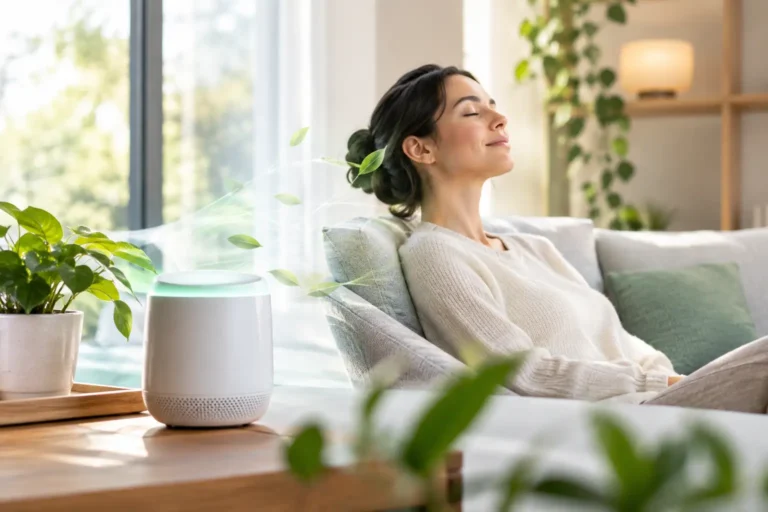
The air within a room influences comfort, concentration, and the overall feeling of a space. Forest Air’s light-activated air revitalization concept is inspired by natural processes and designed to create a fresher, more restorative breathing environment. For a guest arriving after a long flight or a professional spending hours indoors, this can help a room feel more supportive of calm and reset.
This matters particularly in environments where people expect a premium standard of care. A hotel can invest heavily in linens, finishes, and scent, yet the invisible character of the room often has an equally meaningful effect on the guest’s perception of comfort. The same is true in offices, therapy practices, and homes, where a more considered breathing environment can support focus and a greater sense of ease.
It is sensible to be precise about expectations. Air revitalization is not a substitute for proper ventilation, medical care, or building maintenance. Its role is to contribute to a more intentional wellness setting, especially when combined with other recovery-oriented elements.
Red and near-infrared photobiomodulation
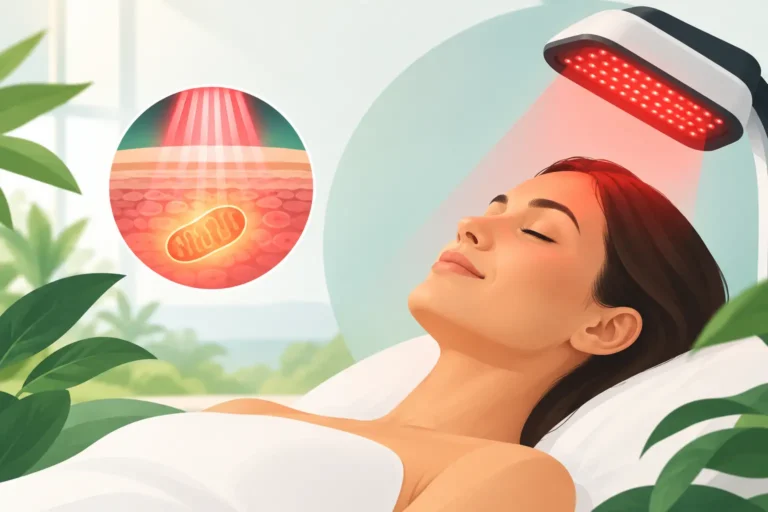
Red and near-infrared light are increasingly used in wellness and recovery settings because of their relationship with photobiomodulation. This approach uses specific wavelengths of light to support cellular processes associated with energy production and recovery. Nircura’s advanced systems bring this technology into a form suited for modern daily use.
For users, the experience is straightforward: a focused period of exposure in a calm setting, often integrated into a morning routine, post-training recovery period, or evening wind-down. Depending on personal needs and professional guidance, people may use red and near-infrared light as part of a broader approach to skin appearance, muscle recovery, relaxation, and general well-being.
The distinction between wellness support and medical treatment should remain clear. Photobiomodulation is non-invasive, but individual results vary. People with health conditions, photosensitivity, or concerns about medication interactions should consult an appropriate healthcare professional before use. Premium wellness is most credible when it is both ambitious and responsible.
What Makes a Mobile Wellness Space Feel Complete
A successful wellness installation is not defined by technology alone. It should feel intuitive from the first moment someone enters the room. The user should not need to study controls, understand technical language, or follow a complicated sequence to benefit from the experience.
The environment should communicate calm through its placement, lighting, materials, and simplicity. In a hotel room, that may mean a clearly designated recovery zone that complements the room’s existing design. In a workplace, it may mean a private area where employees can reset without feeling exposed or rushed. In a home, it may mean a compact, elegant setting that supports a personal ritual before sleep or after a demanding day.
The best installations also respect the purpose of the space. A rehabilitation center may prioritize guided sessions and professional protocols. A boutique hotel may place greater emphasis on privacy and ease of use. An office may need equipment that works within limited square footage and a busy schedule. The underlying technology can be consistent, while the experience should be tailored.
HealthWise approaches this as an integrated environment rather than a collection of standalone products. By combining nature-inspired air revitalization with red and near-infrared photobiomodulation, the concept supports a practical form of modern regeneration: time to breathe, recover, and return to the day with more clarity.
Where Mobile Spa Solutions Create Real Value
For hospitality businesses, mobile spa solutions can differentiate premium rooms, suites, and private guest experiences. They offer a meaningful amenity for travelers who value sleep quality, post-flight recovery, and a more personalized stay. The commercial benefit is not only in the equipment itself, but in the story a property can credibly tell about caring for guest well-being.
In office environments, the application is different but equally relevant. High-performing teams need spaces that acknowledge the physical cost of sustained concentration and stress. A recovery room with revitalized air and targeted light can become a practical wellness resource, particularly for organizations investing in retention, focus, and employee experience.
Wellness professionals, spas, and rehabilitation centers can use a mobile setup to extend their service menu without committing immediately to a large renovation. It can be used in consultations, recovery sessions, or as a premium add-on that gives clients a tangible experience of advanced wellness technology. Training is essential in these settings, so staff can explain benefits accurately, set appropriate expectations, and create a consistent client journey.
At home, the appeal is privacy and consistency. A person who uses a recovery space regularly may gain more value than someone who occasionally visits a destination spa. The setting becomes part of a routine: a few quiet minutes after work, a restorative session following exercise, or a calmer transition before bed.
Choosing a Solution With Purpose
The right choice begins with the user, not the device. Consider who will use the space, how often, and what outcome matters most. A hotel operator may be focused on guest differentiation. A clinic may need flexibility and professional support. A homeowner may prioritize design, quiet operation, and a simple daily ritual.
It is also worth considering the full experience beyond installation. Is the system easy to position in the intended space? Can staff or household members use it confidently? Is there education available for wellness professionals and business partners? Can the solution grow with the organization through additional units, consulting, or a broader wellness program?
Cost should be weighed against both utilization and perceived value. A highly advanced setup that is rarely used will not deliver its potential. A simpler configuration used consistently may create a stronger return, whether that return is measured in guest satisfaction, service revenue, employee engagement, or personal well-being.
The most compelling mobile wellness spaces do not promise to solve every health concern. They offer something more realistic and valuable: a refined place within everyday life where better breathing conditions, restorative light, and intentional pause can work together. When recovery is made accessible, it becomes easier to practice not as a luxury reserved for special occasions, but as a standard worth protecting.