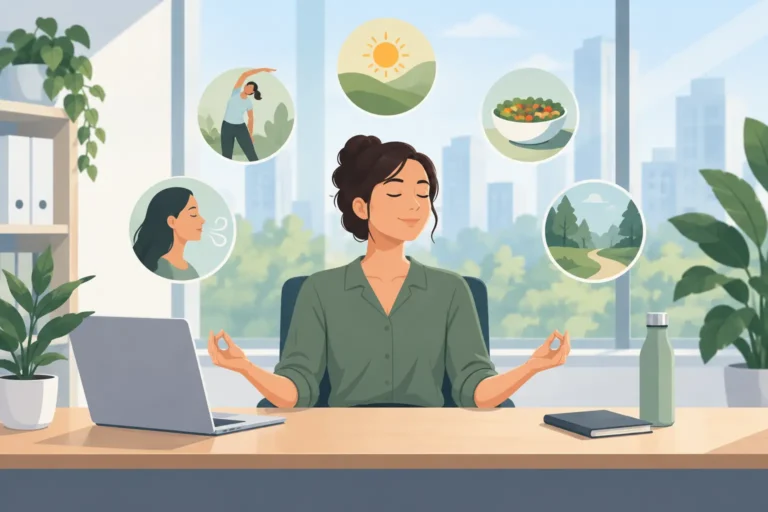

A demanding workweek often reveals itself before the calendar does: shallow sleep, an unfocused afternoon, tense shoulders, and the feeling that a weekend is not quite enough to reset. Longevity wellness responds to that reality by shifting attention from occasional escape to the conditions that support recovery every day. It is less about chasing a single intervention and more about designing a life and environment that make restoration easier.
For individuals, families, hotels, wellness professionals, and workplace leaders, this is a practical shift. The spaces where people sleep, work, travel, and recover influence how consistently they can care for themselves. A premium wellness environment should not feel like a complicated ritual. It should make calm, comfort, and regeneration more available when they are needed most.
What Longevity Wellness Really Means
Longevity wellness is a preventive approach to well-being that supports healthspan: the ability to remain capable, mentally clear, physically active, and resilient over time. It does not promise to stop aging. Aging is biological, individual, and influenced by genetics, medical history, lifestyle, and access to care. What it can do is create a more intentional foundation for the years ahead.
The strongest longevity practices are usually not dramatic. They are repeatable. Consistent sleep, nourishing food, regular movement, social connection, stress regulation, and appropriate medical care remain central. Yet one important element is often overlooked: the environment where these habits take place.
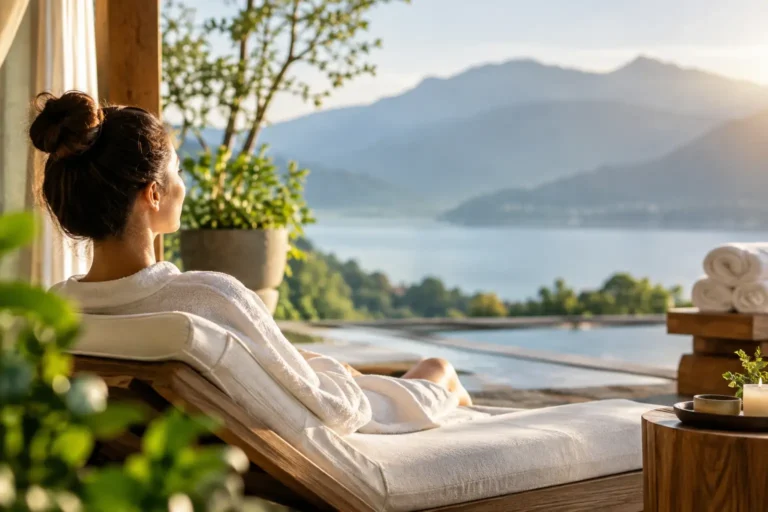
A bedroom that encourages decompression, a hotel room that supports real rest after travel, or a recovery area that feels calm and purpose-built can influence whether someone follows through on healthy routines. This is where wellness design becomes more than aesthetics. It becomes a functional part of daily recovery.
Recovery Is Not a Luxury Add-On
Many high-performing people treat recovery as something to earn after an intense period. That model has limits. When stress, poor sleep, travel, and screen-heavy work become routine, recovery needs to become part of the routine too.
The body already has sophisticated systems for repair and regulation. Sleep supports cognitive processing and physical restoration. Movement helps maintain strength, circulation, mobility, and metabolic health. Moments of calm can help the nervous system move out of a constant state of alertness. No single device or wellness practice replaces these fundamentals, but the right tools can make them easier to prioritize.
This matters in commercial spaces as much as private ones. A hotel guest may arrive jet-lagged and overstimulated. A spa client may be seeking a more restorative experience than a standard treatment room can provide. An office team may need a quiet setting that supports concentration rather than another source of fatigue. In each case, the quality of the wellness environment shapes the experience.
The Role of Light in Regenerative Routines
Light affects far more than visual comfort. Natural light exposure helps regulate circadian rhythms, while the lighting choices made later in the day can influence how prepared the body feels for rest. A considered lighting strategy is therefore a valuable part of a longevity-oriented space.
Red and near-infrared photobiomodulation is also gaining attention as a non-invasive wellness modality. These wavelengths are used in systems designed to support cellular energy processes and recovery-oriented routines. Research in this field is evolving, and outcomes can vary according to the protocol, device parameters, individual needs, and the specific goal being addressed.
That nuance matters. Photobiomodulation should be presented responsibly, not as a cure or substitute for medical diagnosis and treatment. For many users, its value lies in the simplicity of a consistent, comfortable ritual that complements exercise recovery, relaxation, and an overall wellness plan. Professionals should also consider appropriate training, clear client communication, and device quality before introducing it into a practice.
Nircura’s red and near-infrared photobiomodulation systems reflect this more intentional direction: technology designed to fit into a modern recovery setting rather than turning well-being into another demanding task.
Breathing Space Has Practical Value
People often notice the effect of an environment before they have language for it. A room can feel stale, overly clinical, restless, or restorative within minutes. Sensory signals such as light, scent, temperature, sound, and the felt quality of the air all shape how easily someone settles into a space.
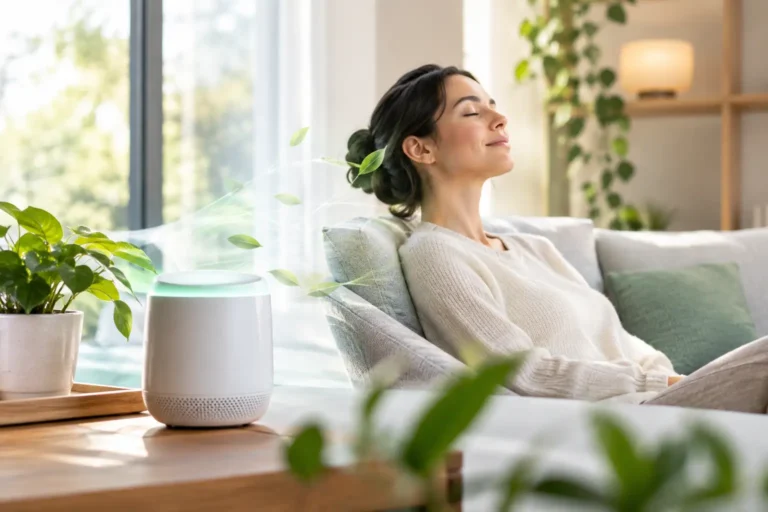
Nature-inspired air revitalization brings another layer to this conversation. Forest Air’s light-activated approach is designed around the restorative associations people have with natural environments and conscious breathing. Within a broader wellness concept, this can help create a setting that feels more refreshing and supportive of relaxation, focus, and daily comfort.
The goal is not to turn every room into a medical facility or make exaggerated health claims about the space around us. It is to recognize that environments can either add friction to recovery or reduce it. For a guest room, treatment area, executive office, or private home, that distinction can be meaningful.
How to Build a Longevity Wellness Environment
Start with the real use of the space. A hotel room has different needs than a rehabilitation center, and a family bedroom has different priorities than a corporate recovery lounge. The most successful wellness environments are designed around the people who will use them, the time they have available, and the routines they can realistically sustain.
First, create a clear transition into rest. This may mean reducing visual clutter, offering warm and adjustable lighting, limiting disruptive noise, and establishing a defined area for recovery practices. The purpose is not perfection. It is to provide a reliable signal that the pace can change.
Next, choose tools that complement rather than compete with existing habits. Someone who already values evening stretching or quiet reading may appreciate a short light-based recovery session as part of that sequence. A wellness center may build a guided protocol around treatments already offered. A hotel can offer an elevated in-room experience without requiring guests to learn a complicated process after a long journey.
Finally, protect simplicity. The more steps a routine requires, the less likely it is to survive a busy week. A refined wellness setup should feel intuitive, elegant, and easy to repeat. This is especially important for business owners: a sophisticated concept still needs to be understandable for guests, staff, and clients.
Where Longevity Wellness Delivers the Most Value
At home, the focus is often on sleep quality, stress reduction, and maintaining a restorative daily rhythm. For families, a dedicated wellness corner can also create a shared culture of preventive care without making health feel restrictive.
In hospitality, longevity wellness can differentiate an experience that is increasingly expected to do more than provide a beautiful room. Travelers value spaces that help them recover from flights, meetings, changing time zones, and unfamiliar routines. Thoughtful wellness features can make a stay feel genuinely restorative, not simply luxurious.
For spas, rehabilitation centers, and wellness professionals, integrated recovery environments can strengthen the quality of the client journey. The opportunity is not just to add another service. It is to create a coherent experience in which atmosphere, technology, education, and personalized care work together.
Office settings require a different balance. Productivity should never be treated as the only outcome of wellness. Still, employees and leaders benefit from spaces that support mental clarity, brief decompression, and a healthier relationship with sustained performance. A calmer environment can reinforce the message that recovery is part of good work, not a distraction from it.
A Premium Approach Requires Discernment
The wellness market is full of fast promises. Longevity-oriented decisions deserve a slower, more discerning standard. Look for approaches grounded in plausible mechanisms, thoughtful design, transparent guidance, and realistic expectations. Ask whether a solution fits the user, the space, and the habits already in place.
Cost is also a real consideration. Not every setting needs a complete transformation, and more technology is not automatically better. For some people, the highest-value changes may be better sleep habits and a dedicated place to unwind. For a hotel, clinic, or wellness business, a more integrated concept may create stronger value through differentiated service and a memorable client experience.
HealthWise brings together nature-inspired air revitalization and red and near-infrared photobiomodulation in one refined wellness concept. The intent is practical: to help modern spaces support breathing, relaxation, regeneration, and everyday vitality without asking people to choose between natural principles and advanced technology.
The most valuable wellness environment is the one people actually use. Make recovery visible, comfortable, and easy to return to, and it can become a quiet advantage that supports better days over the long term.