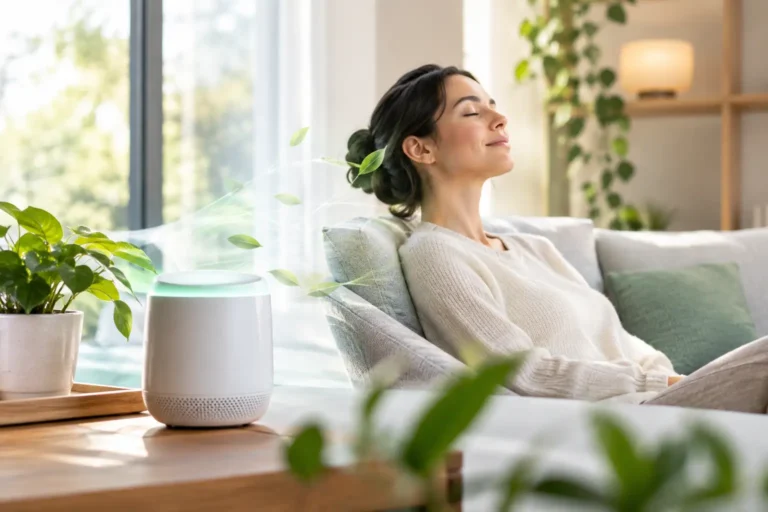
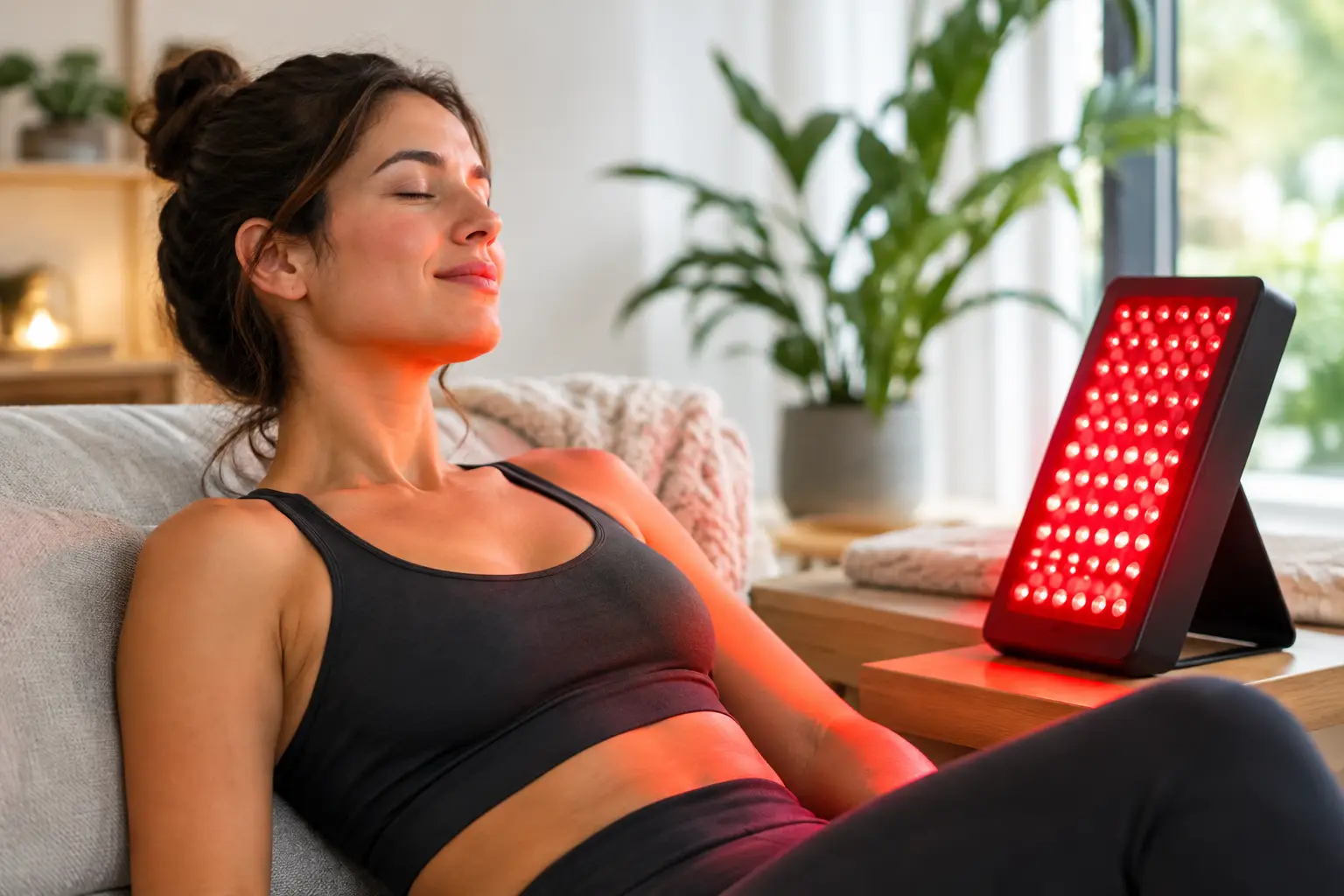
A portable device earns its place when it makes recovery easier to repeat. That is the real question behind any portable red light review: not whether a compact unit looks advanced, but whether it delivers meaningful photobiomodulation without becoming another device left in a drawer.
For busy professionals, frequent travelers, wellness practitioners, and people building healthier routines at home, portability can be a genuine advantage. A smaller red and near-infrared light can bring a focused recovery session to a hotel room, office, treatment space, or bedside. Yet compact design also introduces trade-offs. Coverage, output, battery capacity, and session time matter more than marketing language.
What a Portable Red Light Should Do Well
Portable red light devices are designed to deliver red light and, in many cases, near-infrared light to a targeted area. Red wavelengths are typically used for more superficial tissues, while near-infrared wavelengths reach deeper. This process is commonly called photobiomodulation, or PBM: light energy is absorbed by cells and may support cellular energy processes, circulation, and the body’s natural recovery response.
The practical appeal is clear. A compact device can be used after training, during a demanding workweek, before sleep as part of a wind-down ritual, or between client sessions in a professional setting. It is non-invasive, quiet, and requires no recovery time of its own.
Still, a portable unit should be viewed as a targeted tool, not a replacement for a larger panel when full-body exposure is the goal. If you want to focus on a knee, shoulder, lower back, face, hands, or a specific muscle group, a portable format can be highly practical. If your priority is broad, simultaneous coverage for the entire body, a larger system is generally more efficient.
Portable Red Light Review: The Specs That Matter
The best way to assess a device is to move past vague promises and look at the specifications that determine real-world use.
Wavelengths: red and near-infrared have different roles
A quality portable device should clearly state the wavelengths it uses. Red light commonly falls around the low-to-mid 600 nanometer range, while near-infrared light is often in the 800 nanometer range. The exact combination depends on the intended application, but transparency is essential.
Red light is often selected for skin-focused routines and surface-level exposure. Near-infrared is invisible to the eye and is often chosen when users want deeper support for muscles, joints, and post-exercise recovery. Devices that combine both may offer more flexibility, particularly for people who want one tool for several routines.
Be cautious with products that simply say “red light” without identifying wavelengths. A premium wellness device should make it easy to understand what it emits and why.
Irradiance and dose: more is not automatically better
Irradiance describes how much light power reaches a defined area, often expressed in milliwatts per square centimeter. It affects how long a session needs to be and whether a device can deliver a useful dose at its recommended distance.
High output may shorten treatment time, but it can also create more heat and make precise use harder. Low output is not necessarily a problem if the device is designed for longer, comfortable sessions. What matters is that the manufacturer provides credible irradiance information at a stated distance, along with clear guidance for session duration.
The most effective routine is usually the one you can sustain. A 10-minute session used consistently is more valuable than an overly aggressive protocol you abandon after a week.
Coverage: the honest limitation of compact devices
Portability often means a smaller treatment area. This is not a flaw when the device is used with intention. A compact unit can be ideal for localized recovery, facial routines, targeted discomfort, and travel. It can also work well in a therapist’s practice for precise application between broader treatments.
However, a small device requires patience if you plan to treat multiple large areas. Treating both legs, the full back, or the entire body with a handheld unit can take considerable time. Before purchasing, consider the area you will actually use it on most often. Choose a device that matches that reality rather than the most ambitious version of your routine.
Battery, charging, and physical design
A portable device should feel genuinely portable, not merely smaller than a wall-mounted panel. Battery life matters, especially for travel, hotel use, mobile practitioners, and people who do not want another daily charging task. USB-C charging, a reliable battery indicator, and a case that protects the device are practical signs of thoughtful design.
Weight and grip also matter. A device that is awkward to hold against a shoulder or lower back will discourage regular use. Look for an intuitive timer, simple controls, and enough cooling to keep sessions comfortable. Heat is not proof of effectiveness. Good design manages it without compromising the experience.
How to Use a Portable Device With Purpose
Start with the manufacturer’s recommended distance and session length. For many targeted routines, placing the device close to clean, bare skin is practical, provided the instructions allow it. Clothing can reduce the amount of light reaching the intended area.
Use the same area consistently for several weeks before judging your experience. Recovery tools rarely produce value through one isolated session. A person may use a portable red light after a workout on a sore muscle, in the evening on a stiff joint, or as part of a skin-focused wellness routine. The right frequency depends on the device output, your goal, and how your body responds.
Avoid turning a session into a test of endurance. Longer is not always better with PBM. Follow stated guidance, keep notes if you are assessing a specific routine, and adjust gradually rather than dramatically.
For wellness spaces, the portable format has another benefit: it can complement a more complete restorative environment. At HealthWise, the broader vision is not isolated technology for its own sake, but a refined setting that supports breathing, calm, regeneration, and daily functionality. In that context, a targeted light session can become a useful part of a deliberate recovery ritual.
Safety and Credibility Come Before Claims
Red and near-infrared light therapy is generally considered non-invasive, but responsible use still matters. Do not stare directly into bright LEDs. Use eye protection if the device instructions recommend it, particularly for facial use. People who are pregnant, taking photosensitizing medication, managing a medical condition, or receiving treatment for a serious health concern should speak with a qualified clinician before starting a new light-based routine.
A trustworthy company will not position a portable device as a cure-all. Be skeptical of claims that promise to treat every condition, replace medical care, or create dramatic results overnight. The strongest brands explain intended use, provide operating instructions, disclose technical details, and set realistic expectations.
Build quality is part of credibility as well. Check for an appropriate warranty, accessible customer support, clear electrical and safety information, and materials that are comfortable to use frequently. For professional buyers, these details affect client confidence and the long-term value of the investment.
Who Benefits Most From a Portable Format?
A portable red light device is especially compelling for people whose biggest barrier is consistency. It suits travelers who want a familiar recovery ritual away from home, office professionals dealing with long periods of sitting, active adults seeking focused post-exercise support, and wellness professionals who need flexibility between rooms or appointments.
It is also a sensible first step for someone who wants to experience photobiomodulation before investing in a larger system. The trade-off is speed and coverage. A compact device can be excellent for precision, but it cannot deliver the same broad exposure as a larger panel in the same amount of time.
The best purchase is not necessarily the smallest, strongest, or most expensive option. It is the device whose wavelength information, usable output, coverage area, and design align with your actual routine. Choose a portable light that makes recovery feel easy to return to – because the quiet power of a wellness practice is built through repetition.