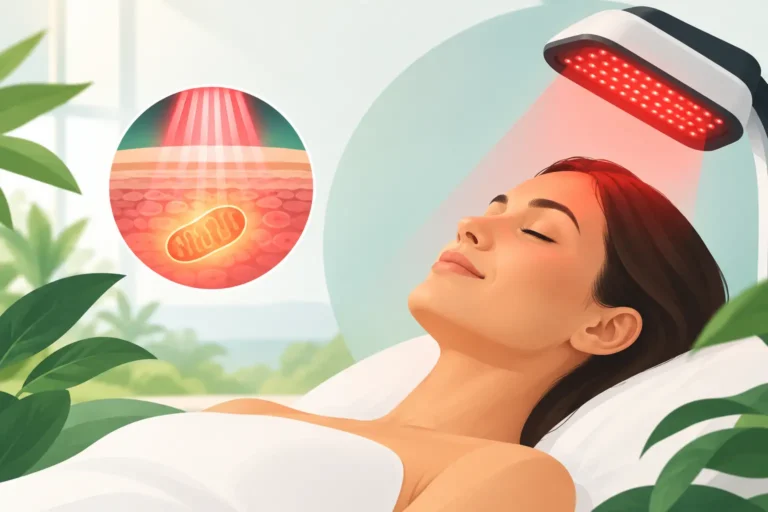
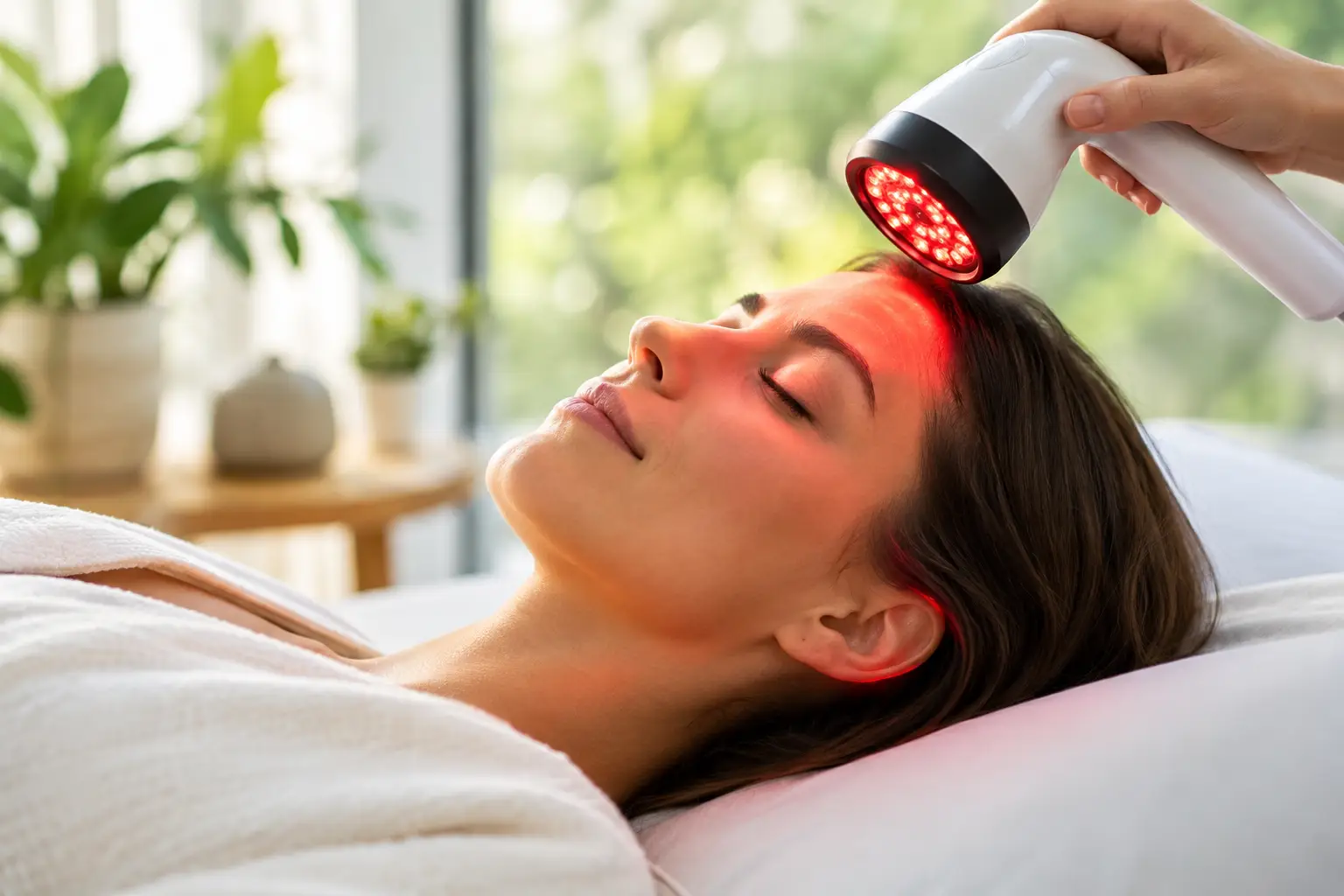
A well-designed recovery space should do more than look calming. It should support the biological processes that help people rest, move, think, and recover well. So, does photobiomodulation work? The most accurate answer is yes, for specific goals and when the light is delivered at an appropriate dose. It is not a cure-all, and the results depend heavily on the device, protocol, condition being addressed, and consistency of use.
Photobiomodulation, often called PBM or red light therapy, uses specific wavelengths of red and near-infrared light to influence cellular activity without heating or damaging tissue. It has gained attention in wellness, sports recovery, rehabilitation, and premium hospitality because it offers a noninvasive way to support recovery within daily life. The science is promising, but good decisions require more than a broad claim that “red light works.”
Does Photobiomodulation Work? The Short Answer
Photobiomodulation has meaningful scientific support in several applications, particularly temporary pain reduction, support for tissue recovery, and certain inflammatory conditions. Research has also explored its role in exercise recovery, skin quality, sleep routines, and cognitive performance. However, evidence strength is not the same across every use.
The key distinction is this: PBM is a biological tool, not a generic source of colored light. Therapeutic outcomes rely on wavelength, irradiance, treatment time, distance from the body, total energy delivered, and the tissue being targeted. A system designed with appropriate red and near-infrared output is fundamentally different from a decorative red lamp or a device with unclear specifications.
For people building a wellness routine at home, at work, or in a hospitality setting, that distinction matters. The right system can make regular recovery support practical. The wrong expectations or poor dosing can lead to disappointment.
How Red and Near-Infrared Light Interacts With the Body
Red light generally reaches more superficial tissue, while near-infrared light can reach deeper. This is why advanced PBM systems commonly combine both ranges. Red wavelengths are often selected for skin-facing applications, while near-infrared wavelengths are especially relevant when the goal involves muscles, joints, and deeper soft tissue.
At the cellular level, light energy is absorbed by photoacceptors, including components associated with mitochondrial function. Mitochondria help produce adenosine triphosphate, or ATP, the energy used by cells for their everyday work. PBM may also influence signaling pathways related to nitric oxide, circulation, oxidative stress, and inflammation.
That does not mean light simply “charges” the body. The response is more selective and more nuanced. PBM appears to support normal cellular signaling under certain conditions, which may help explain why it is being studied in recovery-focused contexts. The effect is not instant transformation. It is a gentle biological stimulus that works best as part of a consistent wellness practice.
Where the Evidence Is Most Compelling
The clearest evidence tends to be tied to narrow, practical outcomes rather than broad wellness promises. In clinical and rehabilitation contexts, PBM has been studied for musculoskeletal pain, including neck, shoulder, knee, and joint-related discomfort. Some research also supports its use in selected soft-tissue recovery settings and for helping manage symptoms associated with certain skin conditions.
For active individuals, PBM may be useful before or after exercise as part of a recovery strategy. Depending on the protocol, it may support muscle performance, reduce perceived soreness, or assist the return to normal training after physical strain. Outcomes vary because athletic recovery is also shaped by sleep, nutrition, training load, hydration, and existing injury.
In aesthetic and lifestyle settings, red light is often used to support skin appearance and a more even-looking complexion over time. These results are typically gradual. A thoughtful protocol and realistic expectations matter far more than a one-time session before an event.
Sleep and stress are also areas of growing interest. Direct light exposure does not replace the fundamentals of sleep hygiene, yet a restorative evening routine can benefit from an environment designed to reduce stimulation and encourage recovery. For professionals, travelers, and high-performing teams, this is where PBM can become part of a broader wellness environment rather than another isolated device.
Why Results Can Be So Different
One of the most misunderstood aspects of photobiomodulation is the dose-response relationship. More light is not automatically better. PBM follows a biphasic response pattern: too little energy may produce no noticeable effect, while too much may reduce the benefit or be counterproductive for a particular goal.
That is why device quality and protocol design deserve serious attention. Consider these practical variables:
- Wavelengths: Red and near-infrared light serve different depth and application needs.
- Irradiance: This describes the power reaching the skin and affects how quickly a useful dose can be delivered.
- Treatment area: A panel for full-body support is used differently from a targeted device for a joint or muscle.
- Session frequency: Benefits generally depend on repeated use over weeks, not occasional exposure.
- Distance and positioning: Moving farther from the light changes the dose that reaches the body.
A premium PBM system should provide clear technical information and practical guidance. Without that, users are left to guess about the very factors that determine whether their routine is likely to be useful.
What Photobiomodulation Cannot Replace
PBM is best understood as supportive care. It does not replace medical diagnosis, physical therapy, movement, restorative sleep, nutritious food, or prescribed treatment. Persistent pain, sudden weakness, numbness, unexplained fatigue, or a worsening condition requires medical evaluation rather than self-treatment with a wellness device.
It is also wise to be cautious with exaggerated claims. No responsible provider should imply that red or near-infrared light can cure serious disease, replace cancer treatment, or guarantee outcomes. The value of PBM lies in its ability to complement a sound recovery plan with a low-burden, noninvasive intervention.
For a hotel, spa, rehabilitation practice, or office wellness program, this is a strength. PBM can be incorporated into a calm, high-quality guest or client experience without demanding downtime, medication, or complicated preparation. It is an accessible layer of support, not a substitute for professional care.
Safety and Smart Use
Photobiomodulation is generally considered well tolerated when quality equipment is used as intended. The light should not cause burning, and sessions should feel comfortable. Still, safe use deserves the same care as any health-oriented technology.
Protect the eyes when instructed by the device manufacturer, particularly around high-intensity light sources. Anyone taking photosensitizing medication, managing a light-sensitive condition, or receiving treatment for a significant medical issue should speak with a qualified clinician before beginning PBM. Extra caution is appropriate around known or suspected cancerous lesions unless use is specifically guided by a treating medical professional.
Pregnancy, implanted medical devices, and recent surgery are also situations where personalized clinical advice is sensible. These precautions do not make PBM inherently unsafe. They recognize that the right protocol depends on the person, the purpose, and the wider health picture.
From Standalone Sessions to Better Recovery Environments
The most valuable wellness solutions fit naturally into real routines. A busy executive may use near-infrared and red light after travel or training. A spa guest may include it in a recovery ritual. A family may create a dedicated evening space that supports quieter habits and more intentional rest.
This environmental approach is central to modern wellness design. When regenerative light is paired with a carefully considered atmosphere, the experience becomes easier to repeat. That consistency is where the practical value of PBM begins to build.
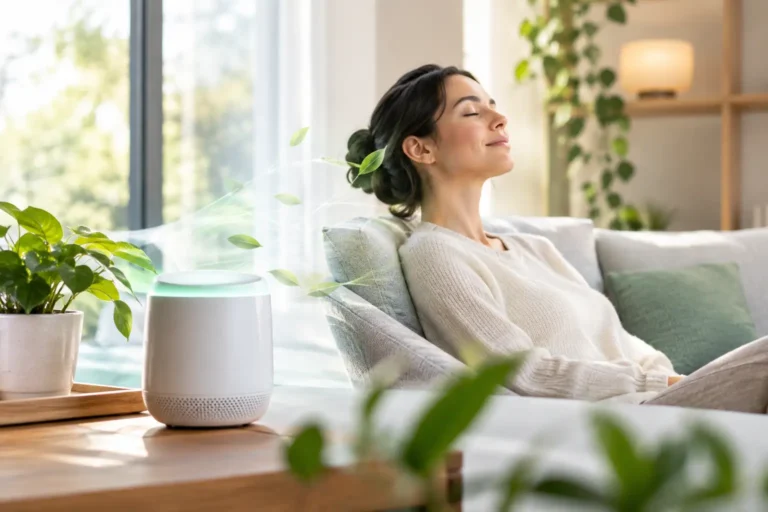
HealthWise brings this perspective to integrated wellness spaces, pairing advanced red and near-infrared photobiomodulation with nature-inspired, light-activated air revitalization. The goal is not to make wellness feel clinical or complicated. It is to make recovery a natural part of the places where people live, work, rest, and welcome others.
The best next step is simple: choose a credible system, use it according to a clear protocol, and evaluate it against a specific goal such as post-exercise comfort, relaxation, or a more consistent recovery routine. Give the process enough time to be meaningful. Well-designed wellness is rarely about a dramatic moment. It is about creating conditions your body can benefit from again and again.