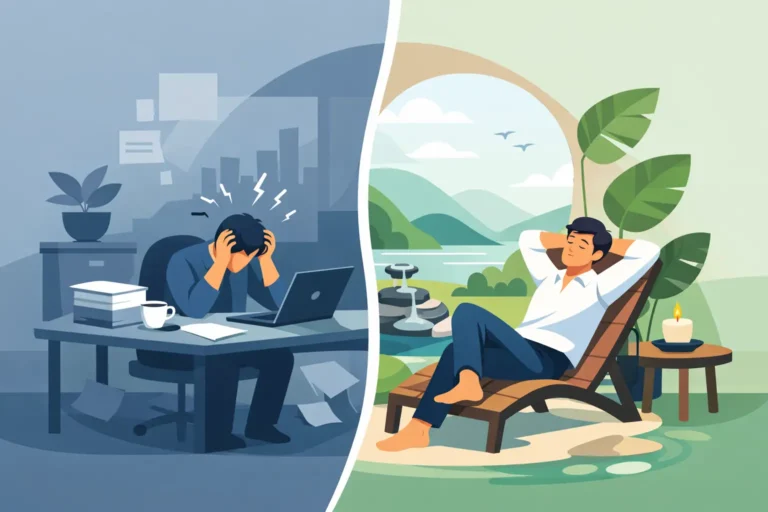
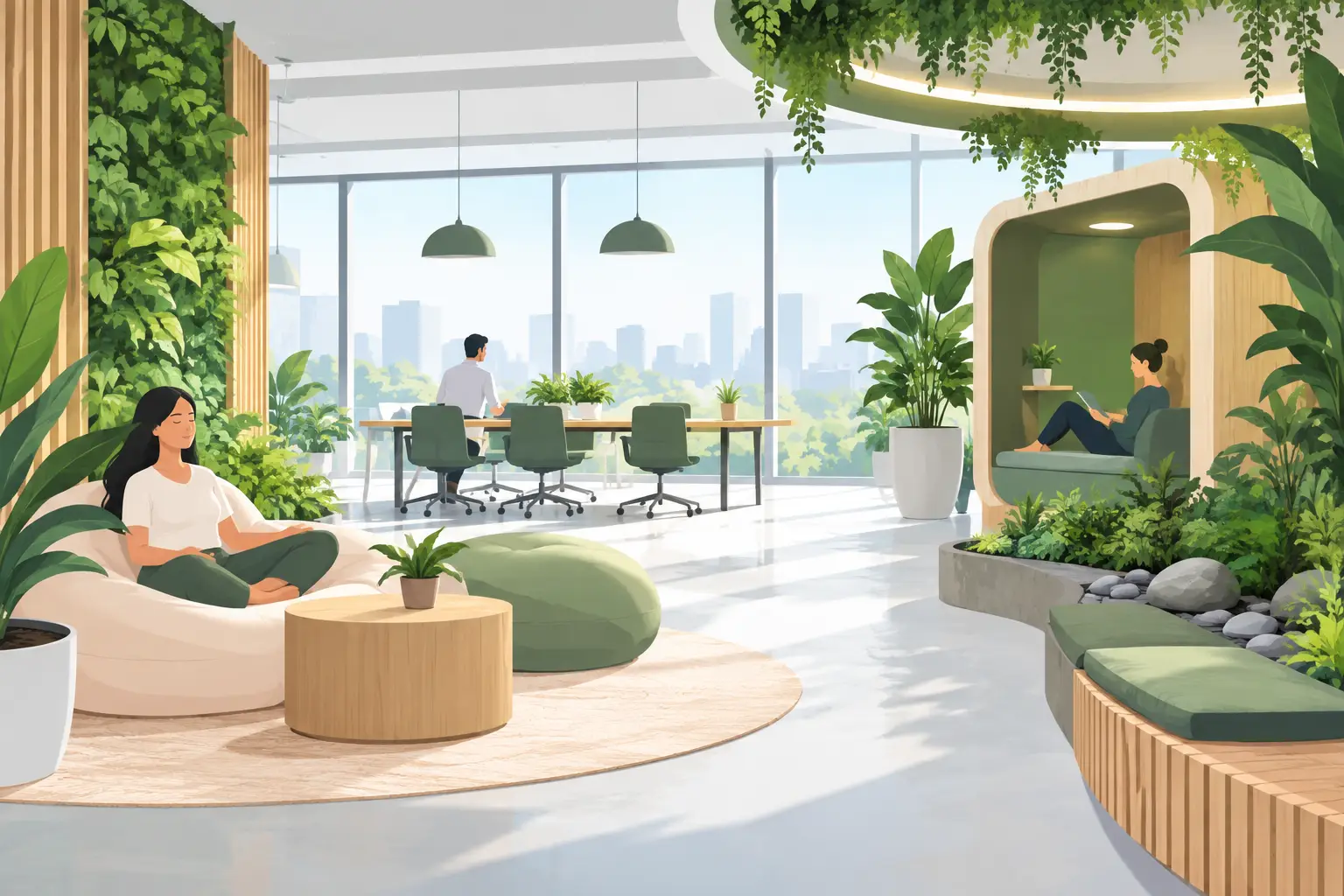
A well-designed office does more than fit desks, meeting rooms, and coffee machines into a floor plan. It shapes how people think, recover, collaborate, and feel at the end of a demanding day. The best office regeneration space features recognize a simple reality: sustained performance depends on regular restoration, not constant stimulation.
For employers, office managers, hospitality operators, and wellness professionals, a regeneration space is not a decorative perk. It is a practical response to mental fatigue, screen-heavy work, compressed schedules, and the growing expectation that workplaces should actively support well-being. The strongest spaces feel calm and premium, but their value comes from purposeful design and technology that people can use without adding another task to their calendar.
What Makes an Office Regeneration Space Work?
A regeneration space should help people shift out of high-alert work mode. That does not mean turning the office into a spa or asking employees to spend an hour away from their responsibilities. In a busy workplace, even a focused 10 to 20 minutes can create a meaningful reset when the environment is designed to reduce sensory overload and support recovery.
The goal is not to eliminate productive energy from the office. It is to give people a dedicated place to restore it. A successful space is private enough for calm, accessible enough to be used regularly, and credible enough that leadership sees it as part of workplace performance rather than an optional novelty.
It must feel easy to use
The most sophisticated room will sit empty if access feels complicated. Regeneration spaces work best when employees can enter, settle in, and begin a session with minimal instruction. Clear scheduling, intuitive controls, comfortable seating, and a short recommended session time remove the friction that prevents use.
Placement matters as well. A room hidden on another floor may offer privacy, but it can become inconvenient during a full workday. Ideally, it is close enough to everyday work zones to support a reset between meetings, after travel, or during an afternoon energy drop, while still separated from noise and foot traffic.
The Best Office Regeneration Space Features to Prioritize
Not every organization needs the same setup. A boutique hotel, a rehabilitation center, and a corporate headquarters will have different space, budget, and usage requirements. Still, the following features create the foundation for a regeneration environment that is functional, refined, and relevant to modern work.
Air quality designed for restoration
People notice an indoor environment before they can explain it. A room that feels stale, dry, or heavy makes it harder to relax and concentrate. A regeneration space should prioritize a fresh, comfortable atmosphere that supports relaxed breathing and a sense of mental clarity.
Nature-inspired, light-activated air revitalization can be a valuable part of this experience. Rather than treating air as an invisible utility, it makes the quality of the room part of the wellness design. This is particularly relevant in offices where people spend long periods indoors, move between enclosed meeting rooms, or experience seasonal respiratory and allergy discomfort.
The right approach should be quiet, unobtrusive, and integrated into the room’s overall purpose. The technology should support the experience, not become the visual center of it.
Red and near-infrared light for a focused recovery session
Photobiomodulation using red and near-infrared light is becoming increasingly relevant in premium wellness and recovery environments. These wavelengths are used in non-invasive wellness applications to support the body’s natural regenerative processes, with sessions often valued for their role in recovery, relaxation, and everyday vitality.
In an office setting, the key is appropriate positioning and simplicity. A system should enable a comfortable, short session without requiring employees to change clothes, follow a complex protocol, or feel exposed. Privacy, seating comfort, and straightforward guidance are essential.
This feature is especially compelling for organizations whose teams manage travel, long hours at screens, physically demanding roles, or high-pressure decision-making. It should not be presented as a substitute for medical care. Its value lies in making a practical recovery modality available within the rhythm of real work.
Lighting that respects the nervous system
Bright overhead lighting may be efficient for general work, but it rarely creates a restorative atmosphere. A regeneration room needs layered, adjustable lighting that feels noticeably different from the main office without becoming too dark to navigate safely.
Warm ambient light, indirect illumination, and reduced glare can help signal that the user has entered a different mode. If red and near-infrared photobiomodulation is included, the surrounding light plan should support the session rather than compete with it. The result should feel intentional and elegant, not clinical or theatrical.
Natural daylight can be beneficial where available, although it is not always practical. Window treatments are equally important because users need control over brightness and privacy at different times of day.
Acoustic privacy and fewer interruptions
Noise is one of the fastest ways to undermine recovery. Conversations from the hallway, phone alerts, HVAC vibration, and the awareness that someone may walk in at any moment all keep the body in a state of readiness.
A strong regeneration space uses acoustic treatment, soft finishes, and a door that provides real privacy. Sound masking or carefully selected natural soundscapes can be helpful, but silence is often the better option for people who already spend the day processing calls and notifications.
This is a trade-off worth addressing early. Complete isolation can make some users uncomfortable, while a room that is too open loses its restorative function. Frosted glass, occupancy indicators, and clear room-use policies create reassurance without making the space feel closed off.
Comfortable seating, not generic furniture
A regeneration room does not need oversized furniture or excessive decoration. It does need seating that allows the body to release tension. Reclining chairs, supportive loungers, or adjustable wellness beds are usually more suitable than standard office chairs.
Materials should feel clean, durable, and premium while remaining easy to maintain. This matters in shared environments, where cleanliness influences whether people feel comfortable using the space. A small side surface for a phone, glasses, or water also makes the experience more practical.
The room should accommodate different bodies and needs. Some users will prefer an upright position after lunch, while others may need a more reclined posture after a long journey or intense work period. Flexibility increases adoption.
A design language that feels natural, not performative
The visual character of the space has a direct effect on whether people perceive it as credible. Overly branded wellness messaging, artificial greenery, or trendy décor can quickly make a room feel superficial. The better choice is natural materials, restrained color, thoughtful texture, and a layout with visual breathing room.
Wood tones, stone-inspired surfaces, soft textiles, and a limited palette can create calm without copying a residential living room. The space should still belong to the organization. In a premium hotel or client-facing business, it can also communicate a visible standard of care.
HealthWise approaches this balance by bringing nature-inspired air revitalization and advanced red and near-infrared photobiomodulation together in one cohesive wellness environment. The value is not in adding more devices to a room. It is in creating an experience where breathing, light, comfort, and recovery support one another.
Make Regeneration Part of the Workplace Culture
Even the best-equipped room needs permission to be used. If employees worry that stepping away will be interpreted as a lack of commitment, the space becomes symbolic rather than effective. Leaders set the standard by communicating that short recovery sessions are a legitimate part of sustainable performance.
Usage guidelines should be simple. Explain who can use the room, how long a typical session lasts, how reservations work, and how to leave the space ready for the next person. Avoid overcomplicated wellness programs or promises that cannot be supported. Consistent use matters more than grand claims.
Managers can also learn from occupancy patterns. If the room is busiest mid-afternoon, after large meetings, or during peak travel periods, that information helps refine access and staffing policies. A regeneration space is most valuable when it responds to the actual demands people face.
Design for Measurable Everyday Value
A premium wellness space should be evaluated by more than appearance. Look at adoption, repeat use, employee feedback, and whether users report feeling more settled, focused, or able to return to work with better energy. For hotels and wellness centers, guest satisfaction and differentiation may be equally meaningful measures.
There are practical limits. A small office may need a compact, multipurpose recovery room rather than a dedicated suite. A high-traffic workplace may need several short-session stations instead of one private room. The best investment depends on the population, available square footage, and the organization’s wider well-being strategy.
When thoughtfully designed, a regeneration space becomes a quiet advantage: a place where people can breathe more freely, step away from constant input, and return to what matters with greater presence.