A hard session does not end when the final rep, sprint, or mile is complete. It ends when the body has had enough time and support to adapt. The top recovery tools for athletes are not necessarily the most dramatic or expensive ones. They are the tools that make high-quality sleep, circulation, mobility, and nervous-system downshifting easier to practice consistently.
For athletes, coaches, wellness professionals, and hospitality operators serving active guests, the goal is not to create a complicated recovery ritual. It is to create an environment and routine that help people return to training feeling capable, rested, and prepared. The best approach combines fundamentals with carefully selected technology.
Top Recovery Tools for Athletes: Start With the Foundation
Recovery technology can be valuable, but it cannot replace the basic conditions that drive adaptation. Before adding devices, athletes should look at the parts of recovery that happen every day: sleep, nutrition, hydration, training load, and stress management.
Sleep is the highest-return recovery tool available. During deep sleep, the body performs much of the repair and regulation that supports muscle recovery, immune function, hormonal balance, and mental sharpness. An athlete who sleeps poorly will not fully make up for it with a massage gun, compression sleeves, or an ice bath.
The practical question is whether the recovery setting makes sleep easier. A quiet, comfortably cool room, a consistent bedtime, reduced bright screen exposure late at night, and a calming pre-sleep routine can make a meaningful difference. For hotels, training facilities, and premium residential spaces, recovery-focused rooms are increasingly part of the experience people expect.
Nutrition matters just as much. A balanced meal or snack with protein and carbohydrates after demanding exercise supports muscle protein synthesis and restores energy stores. The exact timing depends on the athlete and the sport, but consistently under-fueling is one of the most common reasons recovery feels slow. Hydration should also be matched to sweat losses, duration, and environmental conditions rather than treated as an afterthought.
Red and Near-Infrared Light for Regeneration
Photobiomodulation uses specific wavelengths of red and near-infrared light to interact with biological tissue. Athletes are drawn to this non-invasive modality because it fits naturally into a recovery routine: there is no compression, impact, or demanding protocol. A session can be completed while resting, stretching, or preparing for sleep.
Research into photobiomodulation continues to develop, with studies examining its potential role in supporting muscle recovery, circulation, temporary relief of minor muscle soreness, and exercise performance. Results depend on several variables, including wavelength, irradiance, treatment time, distance from the device, and the area being treated. That is why device quality and professional guidance matter more than simply using any red light product.
A well-designed red and near-infrared system can be especially useful in environments where athletes need convenient, repeatable recovery support. Think of a rehabilitation center between appointments, a spa serving endurance travelers, or a home wellness area used after training. It is best viewed as part of a wider recovery plan, not as a shortcut around sleep, nutrition, or sensible programming.
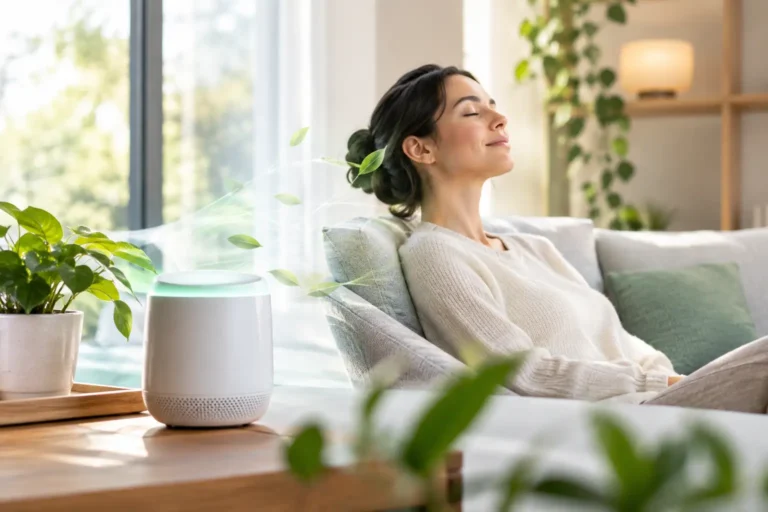
HealthWise brings this principle into a broader wellness setting by pairing advanced photobiomodulation with nature-inspired air revitalization. The result is a more complete recovery environment, designed not only around a single session but around how people feel when they breathe, rest, and reset.
Choosing a light-based system
For professional or personal use, look beyond color alone. Credible systems clearly identify their red and near-infrared wavelengths, provide transparent usage guidance, and are built for comfortable, repeatable sessions. A larger treatment area may suit full-body recovery needs, while a more targeted system can be practical for specific muscle groups.
Athletes with a medical condition, photosensitivity, or medication-related light sensitivity should consult an appropriate healthcare professional before beginning a new light-based routine. Recovery tools should support informed self-care, not replace medical evaluation for an injury.
Compression and Circulation Support
Intermittent pneumatic compression systems use inflatable sleeves or boots to apply sequential pressure to the legs or arms. Many athletes enjoy the sensation after heavy running, cycling, team-sport training, or long periods of travel. The experience is relaxing, and it may help some users feel less heavy or stiff after strenuous work.
The trade-off is that compression is often more about comfort and short-term perceived recovery than a dramatic improvement in every physiological marker. It can be a useful addition for athletes who train frequently, but it should not become a reason to ignore persistent pain, excessive fatigue, or poor training-load management.
Compression works well in a recovery lounge, hotel suite, or home setting because it requires little effort. Pairing it with quiet breathing, hydration, and a short period away from work notifications can make the session more restorative than the equipment alone.
Massage Guns and Mobility Tools
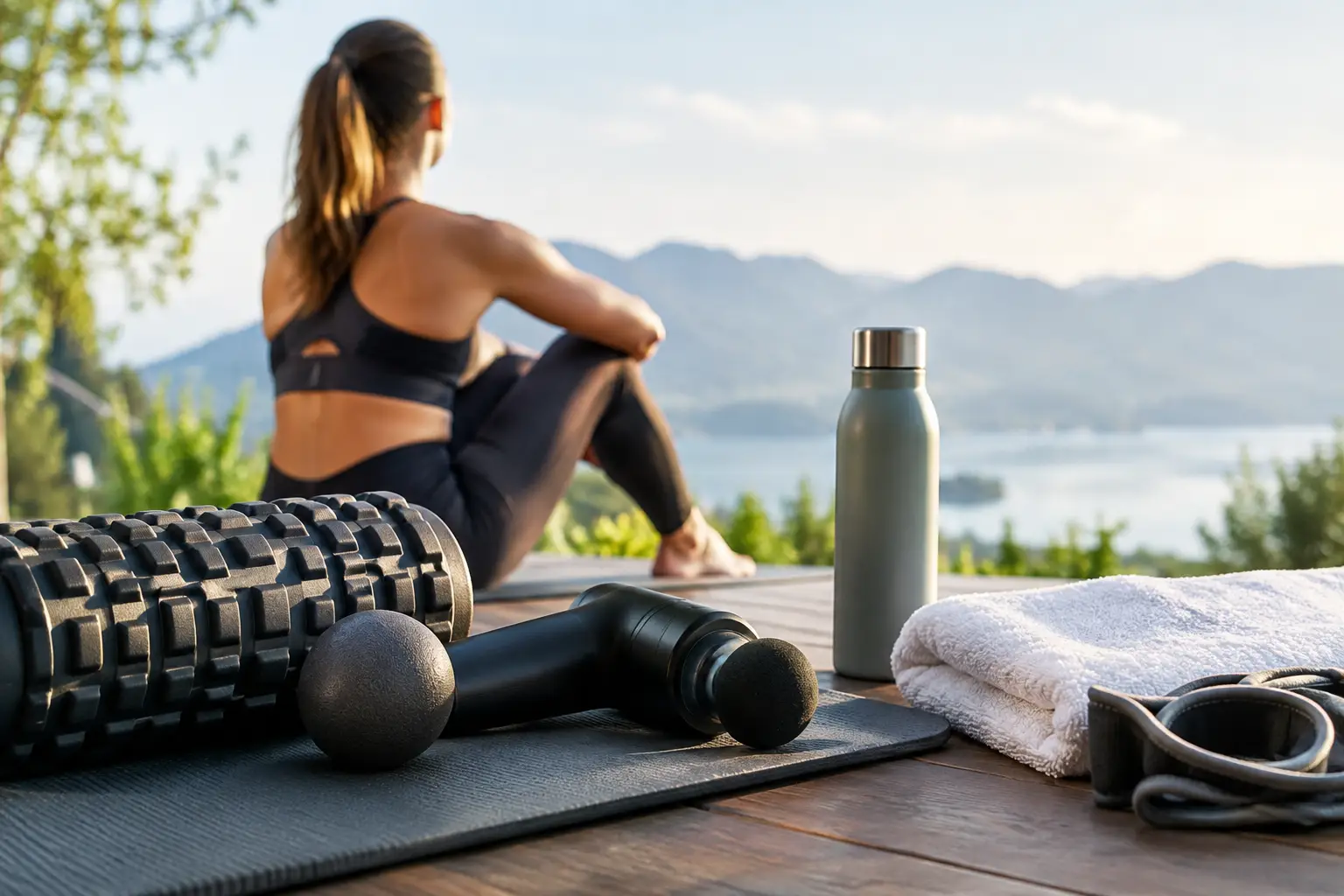
Percussive massage devices, foam rollers, and massage balls are practical tools for reducing the feeling of tightness and preparing the body to move. Used thoughtfully, they can support range of motion and help athletes feel more ready before a session or more relaxed afterward.
They also have limits. A massage gun cannot repair a tendon injury or resolve the cause of recurring pain. Aggressive use directly over joints, bony areas, acute injuries, bruises, or numb regions is not appropriate. More pressure is not automatically better. Short, controlled use around large muscle groups is usually enough.
Mobility tools are most valuable when they lead into movement. After using a roller or massage device, follow with gentle active mobility, such as hip rotations, ankle movements, or controlled shoulder work. This helps turn temporary relief into a more useful movement practice.
Heat, Cold, and the Right Time to Use Them
Heat and cold are two of the most recognizable recovery methods, but they serve different purposes. Heat may help athletes relax, feel looser, and prepare for mobility work. It can be particularly appealing on rest days or after travel, when the body feels stiff rather than acutely inflamed.
Cold exposure can reduce the perception of soreness and may be useful after competition, in tournament settings, or during periods when an athlete must perform again quickly. However, frequent cold immersion immediately after resistance training may not be ideal for athletes whose priority is maximizing long-term strength and muscle adaptation. The inflammatory response to training is not always a problem to eliminate.
The decision should match the training goal. If rapid turnaround is the priority, cold may have a place. If the goal is long-term adaptation from a strength block, sleep, nutrition, light movement, and well-timed rest may be the better emphasis.
The Recovery Environment Is a Tool, Too
Athletes do not recover in a vacuum. A high-pressure schedule, stale-feeling indoor spaces, constant noise, travel, and late-night work can keep the nervous system in a state of alertness long after training is over. This is where the recovery environment becomes a meaningful performance variable.
A thoughtfully designed space supports a transition from exertion to restoration. Softer lighting in the evening, comfortable temperature, clean design, quiet time, and a sense of separation from daily demands all help signal that the body can slow down. Nature-inspired air revitalization can add another sensory layer to that experience, supporting a fresher, more restorative atmosphere for breathing exercises, rest, or light-based regeneration sessions.
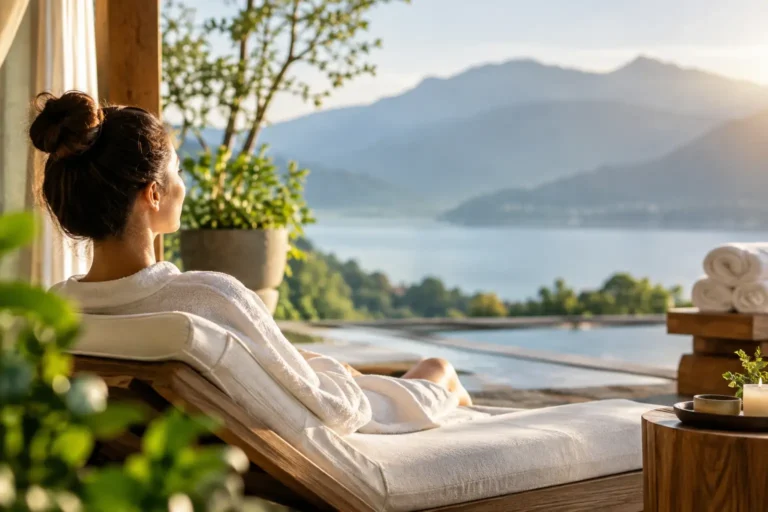
For wellness facilities and hotels, this creates a clear opportunity. Rather than offering disconnected devices, they can create a recovery journey: arrive, breathe, use targeted photobiomodulation, rest in comfort, and leave feeling more composed. For homes, the same principle can be scaled into a dedicated corner or room that protects recovery time from distraction.
Build a Routine You Will Actually Repeat
The most effective recovery routine is rarely the longest. It is the one that fits the athlete’s training schedule and can be repeated without friction. After an intense day, that might mean a nourishing meal, ten minutes of easy mobility, a red and near-infrared light session, and an earlier bedtime. On a lighter day, it may include heat, compression, or a longer walk.
Track patterns rather than chasing perfection. Notice sleep quality, soreness, mood, motivation, and how the body responds in the next training session. If fatigue builds for several days, reduce the load and investigate the cause. Recovery tools are valuable when they help athletes listen earlier, recover more deliberately, and protect the consistency that progress requires.
The best recovery space does not promise to do the work for the athlete. It makes the right next step feel natural: breathe deeply, slow down, restore, and be ready to train with purpose again.