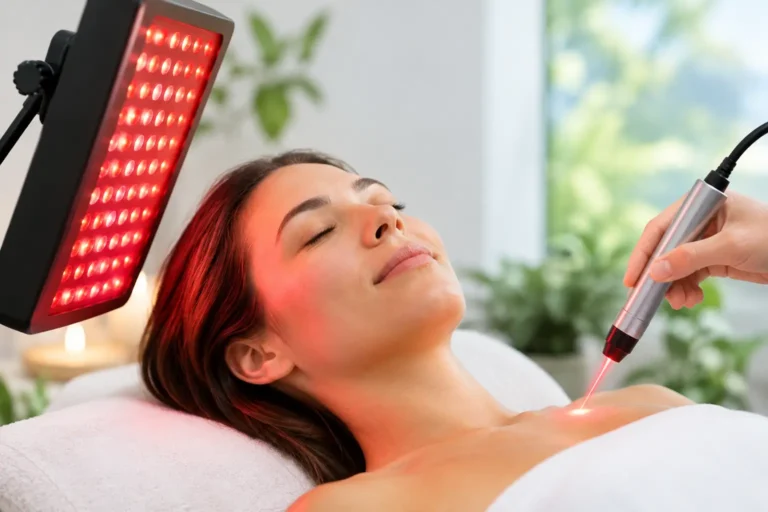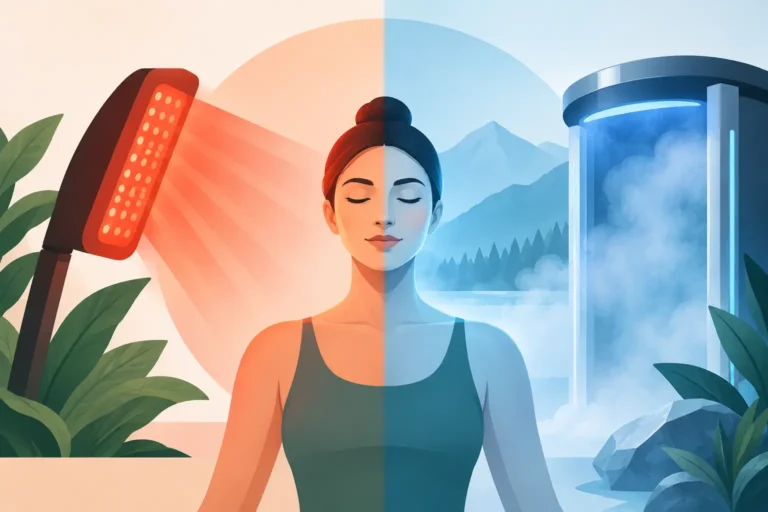

A recovery space should do more than look serene. It should help the body transition out of strain, training, travel, long workdays, or demanding care routines. Therapeutic lighting for recovery brings a practical layer to that environment by using specific wavelengths of red and near-infrared light to support the body’s natural restorative processes.
This is not the same as decorative mood lighting or the bright white light used to improve alertness in an office. Red and near-infrared photobiomodulation is a targeted wellness technology with a more specific purpose: delivering controlled light energy to tissue without heat-heavy, invasive treatment. Used thoughtfully, it can become a valuable part of an evening reset, an athletic recovery protocol, or a premium wellness offering in hospitality and professional settings.
What therapeutic lighting for recovery actually means
Therapeutic lighting generally refers to light delivered at wavelengths selected for a biological response. In recovery applications, the focus is usually red light and near-infrared light. Red light is visible, while near-infrared light sits just beyond what the eye can see. Both are commonly used in photobiomodulation systems designed to support cellular energy processes and local circulation.
The distinction matters. A red-colored bulb in a bedroom may create a warm atmosphere, but it is not automatically a therapeutic device. Effective recovery lighting depends on the wavelength, irradiance, treatment distance, session duration, coverage area, and consistency of use. A quality system makes these variables clearer rather than asking users to guess.
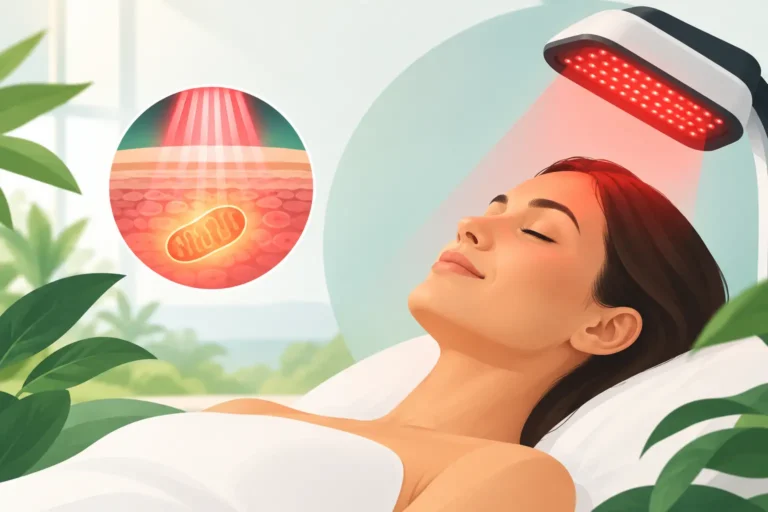
Photobiomodulation is often discussed in relation to mitochondrial activity, the cellular systems involved in energy production. Research continues to examine how specific light exposure may influence tissue recovery, inflammation pathways, and circulation. The practical takeaway is more straightforward: properly designed red and near-infrared systems can offer non-invasive support for people seeking better recovery habits.
Recovery is not only about muscles
It is easy to associate recovery with athletes, sore legs, and post-workout routines. Those applications are relevant, but recovery is broader. A business traveler managing jet lag, a hotel guest seeking a restorative evening, a professional spending long hours at a desk, or a parent carrying the physical load of family life may all benefit from a more intentional recovery environment.
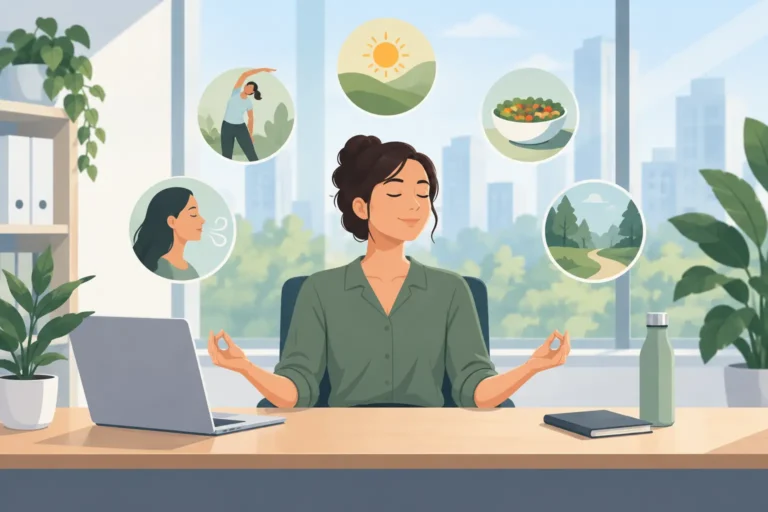
For some people, the value is physical comfort after exertion. For others, it is the ritual itself: stepping into a quiet room, reducing stimulation, breathing more slowly, and taking 10 to 20 minutes for focused restoration. Light cannot replace sleep, good nutrition, movement, medical care, or rehabilitation when these are needed. It can, however, strengthen the routine around them.
That is why the best wellness spaces do not treat light as an isolated feature. They consider the complete sensory setting: comfortable temperature, low evening glare, calm acoustics, clean design, and air that feels fresh and restorative. When these details work together, recovery feels easier to prioritize.
Red and near-infrared light: similar purpose, different reach
Red and near-infrared wavelengths are often combined because they have different characteristics. Red light is generally used closer to the skin’s surface and is popular for skin-focused wellness routines and superficial tissue support. Near-infrared light penetrates more deeply and is commonly included in protocols aimed at muscles and joints.
Neither is inherently “better.” The appropriate approach depends on the goal. Someone focused on post-training muscle recovery may value a system with substantial near-infrared capability and enough treatment area to make regular sessions realistic. A wellness professional creating a facial or skin-centered protocol may prioritize red-light exposure and comfort for the client.
For hotels, spas, and rehabilitation-oriented environments, versatility matters. Guests and clients do not arrive with identical needs, and a premium offering should be understandable without becoming complicated. Clear controls, guided session options, and a design that fits naturally into the room all contribute to actual use.
What a meaningful recovery session looks like
Consistency usually matters more than intensity for a general wellness routine. A person may use therapeutic lighting after training, before a calming evening ritual, or during a dedicated recovery break between demanding workdays. The right cadence depends on the equipment specifications, the wellness objective, individual sensitivity, and professional guidance where appropriate.
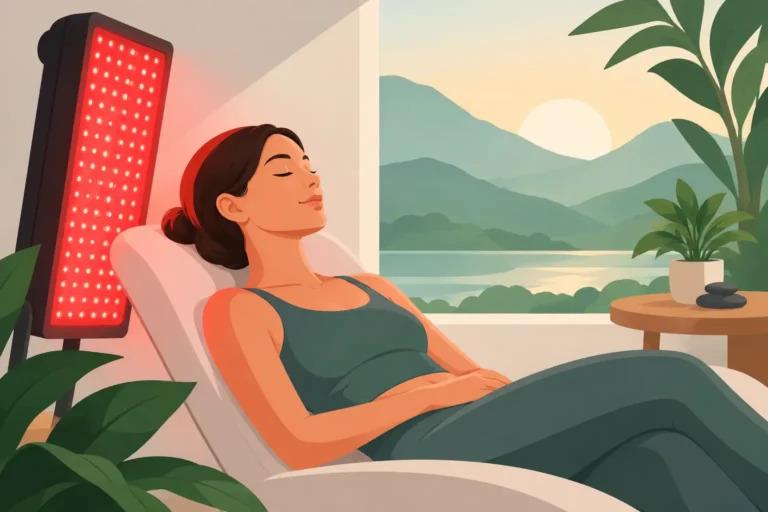
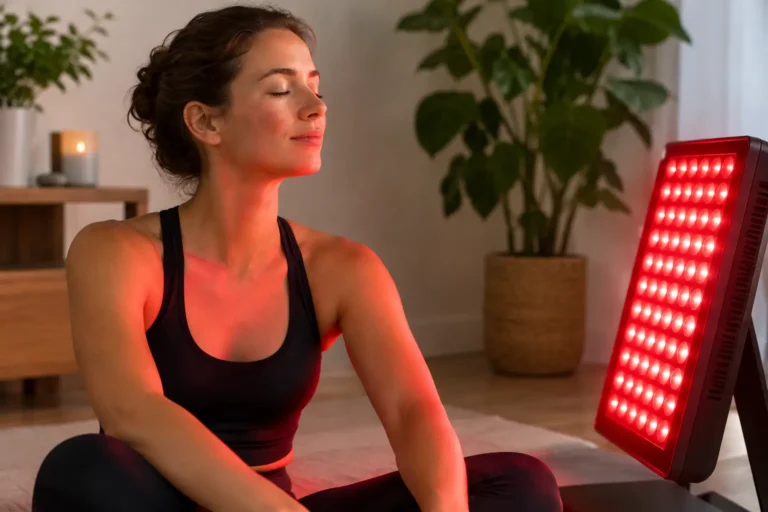
A useful session is simple. Position the body according to the device instructions, expose the desired area for the recommended time, and remain comfortable. There is no prize for extending a session beyond the manufacturer’s guidance. More exposure is not always better, and responsible systems are designed around controlled, repeatable use.
Pairing light with other supportive habits can make the experience more valuable. Gentle mobility work after exercise, hydration, slow breathing, and a transition away from bright screens can all reinforce a recovery-focused routine. In a hotel room, this may mean offering a brief evening session after arrival. In a workplace wellness room, it may mean a short reset that helps employees leave work feeling less depleted.
How to choose therapeutic lighting for recovery
The category can be confusing because wellness claims and product specifications vary widely. Buyers should look beyond attractive design and ask practical questions about the technology. Is the system built around red and near-infrared wavelengths appropriate for photobiomodulation? Does the manufacturer provide clear information about treatment distance, session guidance, coverage, and output? Can the device be comfortably integrated into the intended setting?
For professional environments, hygiene, durability, training, and guest experience are equally important. A device may perform well technically but still fail as a business asset if staff cannot explain it with confidence or if the setup interrupts the flow of a treatment room. Larger spaces may need broad-body panels or dedicated recovery zones, while private residences may benefit from a compact solution that encourages frequent use.
A complete environment deserves special consideration. HealthWise combines Nircura red and near-infrared photobiomodulation with Forest Air’s nature-inspired, light-activated air revitalization concept, creating a more integrated wellness setting for modern homes, hospitality spaces, and professional practices. The intention is not to add more equipment for its own sake, but to make restoration feel natural, elegant, and easy to repeat.
Sensible precautions build trust
Therapeutic lighting is non-invasive, but it should still be used responsibly. Follow the device instructions, including guidance on eye comfort and protective eyewear if specified. People who are pregnant, have a known light sensitivity, use photosensitizing medications, are managing an active medical condition, or are receiving treatment for cancer should speak with a qualified clinician before starting a photobiomodulation routine.
It is also wise to set realistic expectations. Results can differ based on sleep quality, stress level, fitness, age, consistency, and the nature of a person’s discomfort. Therapeutic light is not a diagnosis or a cure, and it should not delay assessment of persistent pain, injury, respiratory symptoms, or other health concerns.
For wellness professionals, this measured approach is a strength. It protects clients, supports credibility, and keeps the conversation centered on appropriate wellness benefits rather than exaggerated promises.
A premium amenity with a real purpose
Wellness travelers increasingly notice whether a hotel room helps them recover or simply gives them a place to sleep. The same principle applies to high-end residences, executive offices, spas, and rehabilitation centers. A well-designed recovery offering communicates care for the person using the space, not just attention to visual luxury.
Therapeutic lighting can help turn an underused room into a purposeful recovery zone. It can give a hotel suite a distinctive evening ritual, add tangible value to a wellness membership, or help a family create a quieter health-focused rhythm at home. The most successful implementation is not overly technical or theatrical. It is calm, accessible, and supported by clear education.
Recovery becomes more sustainable when it is built into the environment rather than saved for the rare day off. Thoughtfully selected red and near-infrared light can make that daily choice feel less like another task and more like a natural moment to restore.