A hotel room after a long flight, a demanding office, and a family home at the end of a full day all have the same challenge: people need recovery, yet rarely have time to travel somewhere to find it. Future wellness technology is responding by bringing supportive, non-invasive experiences into the spaces where life already happens.
This is not about filling a room with disconnected devices or turning every corner into a clinical setting. The more meaningful direction is integrated wellness: systems designed around the quality of the environment, the body’s natural recovery rhythms, and the practical demands of modern living. When air, light, calm, and restorative routines are considered together, wellness becomes easier to access and more natural to maintain.
Future Wellness Technology Moves Into the Environment
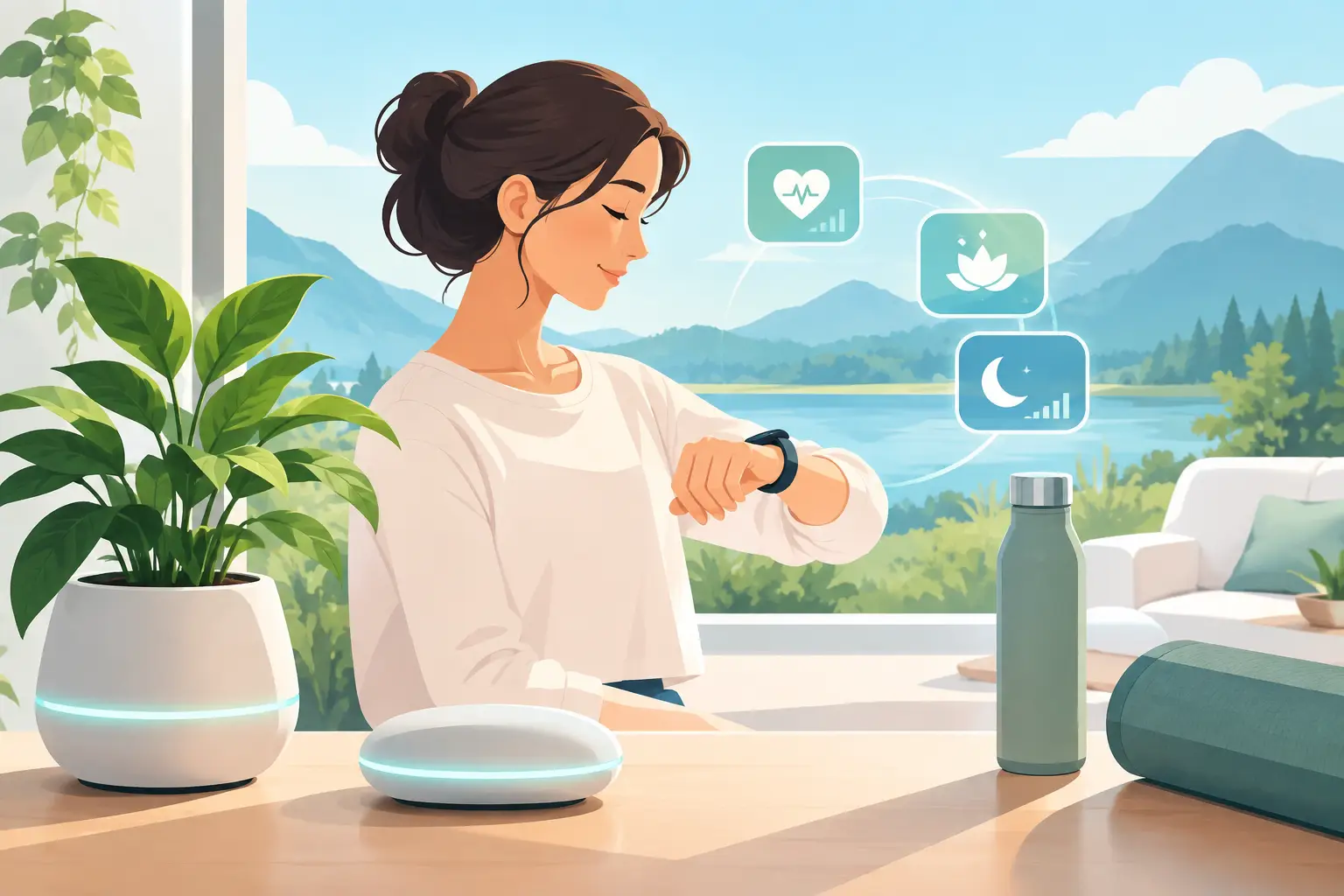
For years, wellness technology has largely been personal and portable. Watches track sleep, apps prompt breathing exercises, and compact devices offer a targeted ritual at the end of the day. These tools can be useful, but they place most of the responsibility on the individual. The next phase is broader. It considers the environment itself as part of the wellness experience.
A well-designed room can either add to mental load or help reduce it. Harsh light, stale-feeling surroundings, constant stimulation, and a lack of restorative cues may leave people feeling depleted even when they are technically at rest. Future-facing wellness environments are designed to counter this with intentional sensory conditions that support relaxation, focus, and recovery.
This matters especially in hospitality, workplaces, rehabilitation settings, and high-performing homes. Guests want more than a beautiful room. Employees need more than another productivity tool. Families want practical ways to create a calmer daily rhythm. Each setting benefits from wellness solutions that work quietly in the background without demanding extra time or complicated routines.
Why Light Is Becoming a Core Recovery Tool
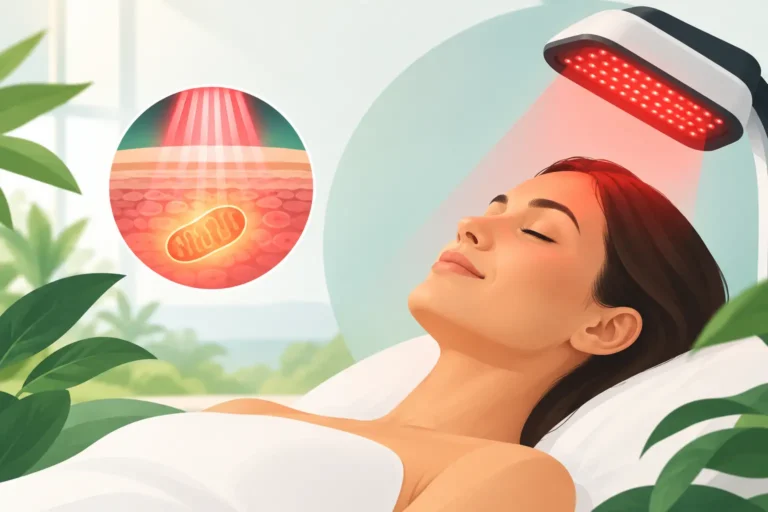
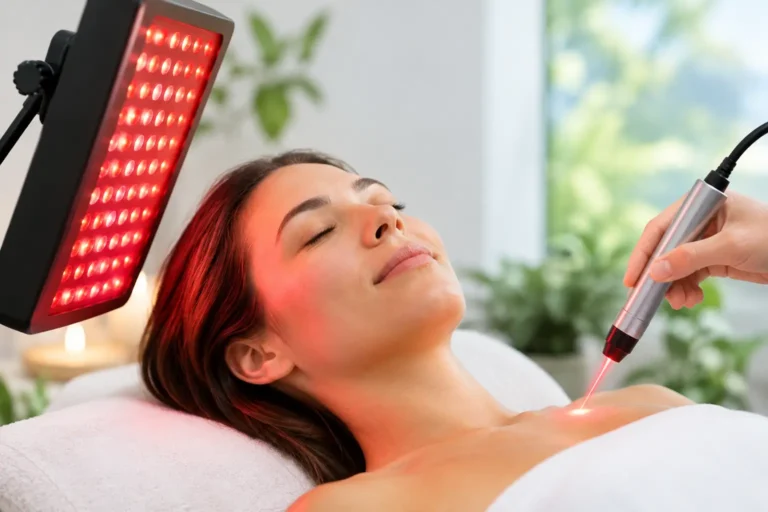
Red and near-infrared photobiomodulation is one of the most promising technologies shaping premium wellness environments. It uses specific wavelengths of light designed to interact with biological processes in the body. In wellness applications, this technology is commonly used to support regeneration, relaxation, post-exercise recovery, and the body’s natural energy processes.
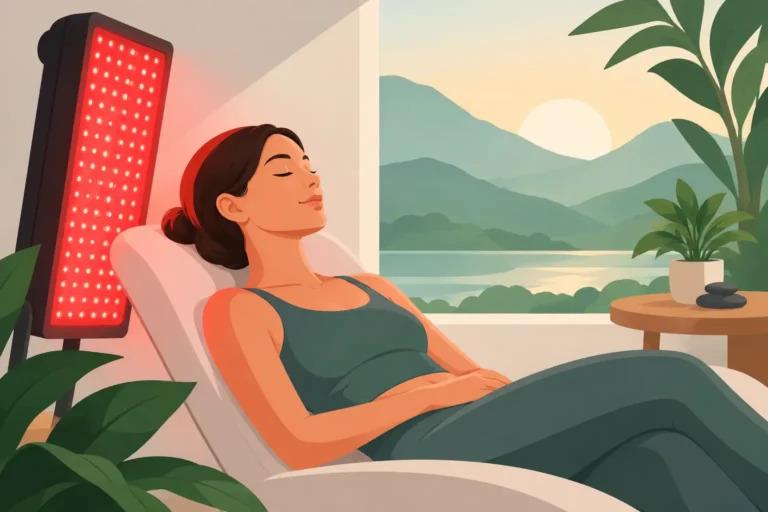
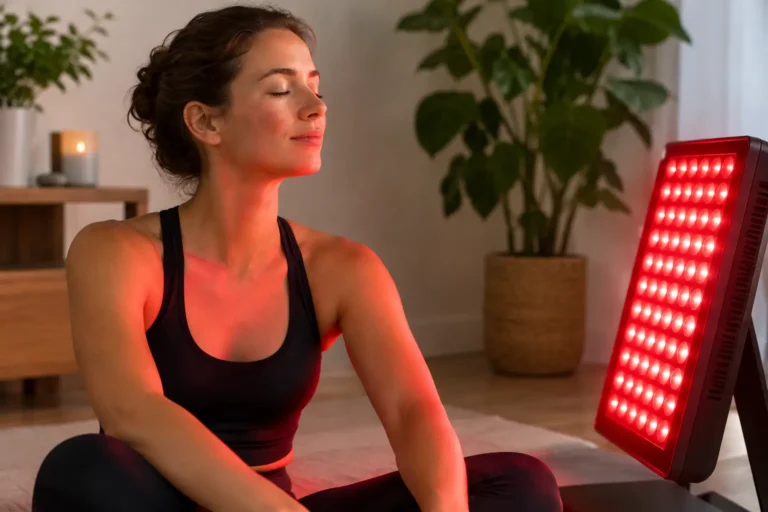
The appeal is straightforward: sessions can be non-invasive, quiet, and easy to incorporate into a day. A person may use red and near-infrared light after training, during a wind-down routine, or as part of a professional wellness protocol. For hotels and spa centers, it can add a meaningful recovery dimension without requiring guests to commit to a long treatment schedule.
Still, quality matters. Photobiomodulation should not be reduced to a decorative red glow. Effective systems require thoughtful engineering, appropriate wavelengths, clear usage guidance, and a realistic understanding of what wellness technology can and cannot do. It is a supportive tool, not a replacement for medical diagnosis, treatment, sleep, movement, or sound nutrition.
For business owners, this distinction builds trust. Guests and clients are increasingly well informed. They do not need exaggerated promises. They need a clear explanation of how a technology fits their recovery goals and how it can be used consistently within a broader well-being practice.
Air That Supports a More Restorative Space
Breathing is continuous, immediate, and deeply connected to how a space feels. Yet air is often treated as an invisible background condition rather than an active element of wellness design. Nature-inspired, light-activated air revitalization changes that perspective by bringing a more intentional approach to the breathing environment.
The value is not simply technical. It is experiential. A refreshed indoor atmosphere can help a room feel calmer and more inviting, particularly in enclosed spaces where people work, rest, or recover for extended periods. For individuals with respiratory sensitivities or seasonal discomfort, environmental quality may also be an important part of their everyday comfort strategy.
The strongest wellness concepts do not present air and light as separate categories. They recognize that a person experiences the whole room at once. The quality of breathing, the visual atmosphere, the opportunity to pause, and the availability of recovery tools all influence whether a space feels restorative or draining.
From Standalone Devices to Wellness Ecosystems
The future is not necessarily more technology. It is better integration.
A collection of individual devices can create friction: different instructions, competing routines, visible clutter, and unclear value. By contrast, an integrated wellness environment is designed around a simple question: what would help people feel better in this space, with minimal effort?
For a hotel, the answer may be a premium in-room recovery experience that helps guests decompress after travel or prepare for an important day. In an executive office, it may be a private wellness room that supports focused work, decompression, and a more balanced work culture. In a home, it may be a compact, elegant setup that makes a few minutes of restoration genuinely accessible.
HealthWise brings this approach together by combining Forest Air’s nature-inspired, light-activated air revitalization with Nircura’s red and near-infrared photobiomodulation systems. The objective is not to add another wellness gadget to a room. It is to create a coherent environment for breathing, regeneration, and everyday vitality.
What Buyers Should Look for Before Investing
Premium wellness technology should feel simple to use, but choosing it requires thoughtful evaluation. Decision-makers should first consider the real use case. A boutique hotel, a rehabilitation center, and a private residence may all value recovery, but their needs around space, staff involvement, session length, design, and client education will differ.
They should also look beyond broad wellness language. Ask how the technology works, what guidance accompanies it, how it fits into daily operations, and what level of support is available after installation. A strong partner should translate technical features into clear, relevant outcomes rather than relying on vague innovation claims.
Design integration is equally important. In premium spaces, wellness equipment must complement the setting rather than interrupt it. The best solutions are aesthetically considered, easy to maintain, and intuitive enough that guests, clients, or family members can use them with confidence.
Finally, measure success in terms that fit the setting. A hotel may monitor guest satisfaction and differentiation. An office may look at wellness-room adoption and employee feedback. A spa may assess whether recovery services create deeper client engagement. At home, the measure may be simpler: whether the system becomes a consistent, valued part of daily life.
The Human Side of Advanced Wellness
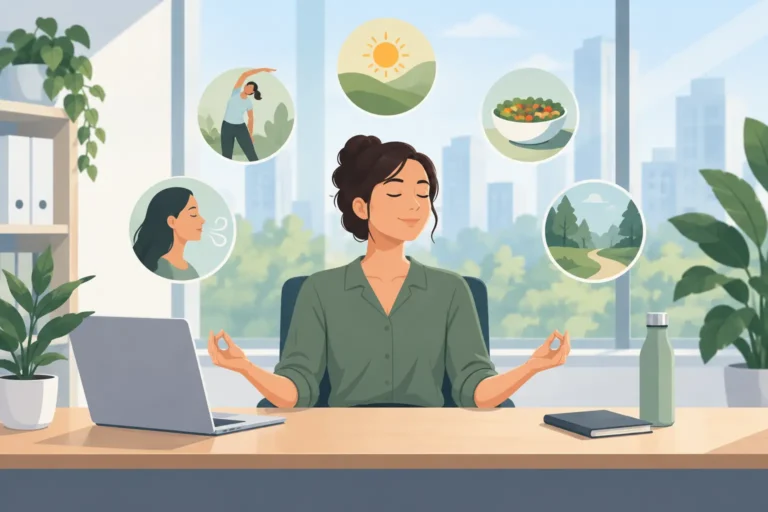
Technology can make wellness more available, but it cannot create well-being in isolation. The most successful environments still leave room for human needs: sleep, stillness, movement, nourishing food, meaningful connection, and time away from constant demands.
That is why the best future wellness technology feels less like technology. It does not overwhelm the senses or ask people to become experts. It creates conditions that make healthier choices easier and recovery more realistic in a schedule that is already full.
For wellness professionals and business leaders, this is an opportunity to move beyond one-off experiences. A thoughtfully designed environment can become part of how people work, travel, rest, and care for themselves. For individuals, it can turn a room into a reliable place to reset.
The most valuable question is not which device is newest. It is whether a wellness environment can help people return to their day feeling more rested, clearer, and better supported. When the answer is yes, advanced technology has found its most practical purpose.