
A guest may forgive a compact lobby or a busy breakfast room. They are far less likely to forget a night of interrupted sleep, dry-feeling air, or the sense that travel has left them more depleted than when they arrived. Hotel wellness is changing that equation by moving recovery beyond the spa floor and into the places guests use most: the guest room, suite, meeting space, and quiet moments between commitments.
For premium properties, this is not about adding another scented amenity or placing a yoga mat beside the bed. It is about designing an environment that helps people settle, breathe, rest, and recover with greater intention. When done well, wellness becomes part of the hotel’s operating standard and a reason for guests to return.
Why hotel wellness is moving into the room
The traditional hotel spa remains valuable, but it is optional, scheduled, and often separate from the actual stay. A traveler arriving late after a flight may never visit it. A business guest moving between meetings may have only 20 minutes alone in their room. Families may want restorative surroundings without organizing an additional activity.
The room, by contrast, is where recovery happens by default. It is where the nervous system begins to come down from travel, where guests prepare for sleep, and where they look for a clear head before the next day. That makes it the most relevant setting for a modern wellness strategy.
Guests are also more discerning about what wellness means. A beautiful treatment menu has appeal, but many travelers now assess a stay through practical outcomes: Did I sleep well? Did I wake up refreshed? Could I focus during my workday? Did the space help me feel calm rather than overstimulated?
Hotels that answer these questions thoughtfully can create a more meaningful kind of luxury. The strongest offering does not force a guest into a complex ritual. It makes recovery feel natural, private, and available when it is needed.
The building blocks of a restorative stay
A credible wellness environment brings together several sensory and physiological considerations. The goal is not to turn every room into a clinical setting. It is to make the conditions for rest more supportive without compromising the elegance, simplicity, or operational realities of hospitality.
Air that supports the feeling of arrival
Guests often notice the quality of a room before they consciously identify it. Freshness, comfort, and the ability to take a satisfying breath influence whether a space feels restorative or stale. Nature-inspired, light-activated air revitalization can be an important part of this experience, particularly for guests who are sensitive to travel fatigue, seasonal discomfort, or enclosed environments.
The value is not merely technical. Better-feeling air supports the hotel’s larger promise of care. It creates a calmer starting point for rest, sleep, and a more comfortable stay. For operators, the key is choosing a solution that can integrate discreetly into the room concept rather than adding visual clutter or demanding constant guest instruction.
Light with a purpose beyond ambiance
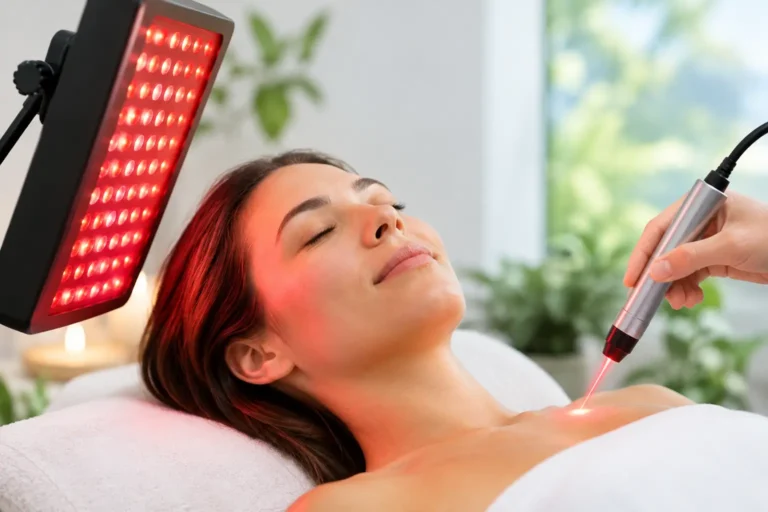
Hotels have long used lighting to create mood. Wellness-focused properties can go further by considering how light supports recovery. Red and near-infrared photobiomodulation systems use specific wavelengths of light that have been studied for their interaction with cellular processes involved in energy production and recovery.
In a hotel setting, this technology can offer guests a non-invasive recovery ritual after travel, exercise, meetings, or a long day on their feet. The experience should be simple: a comfortable, clearly guided session that fits naturally before bed, after a workout, or during downtime.
Careful communication matters. Photobiomodulation is not a substitute for medical diagnosis or treatment, and outcomes vary by person and protocol. Hotels should avoid exaggerated promises and instead position the technology as a considered wellness amenity that may support relaxation, recovery, and everyday vitality.
Sleep as the real premium amenity
Sleep is where the wellness promise is tested. High-thread-count linens are welcome, but sleep quality also depends on the full environment: temperature, noise, darkness, comfort, air, and the guest’s ability to unwind.
A hotel does not need to claim it can solve every sleep concern. It can, however, reduce unnecessary friction. Blackout control that works, intuitive bedside lighting, a quiet ventilation approach, and an environment designed for calm all communicate that rest has been taken seriously.
This attention has commercial value. A guest who sleeps deeply is more likely to rate the entire stay positively, even if they spend little time using other facilities. For business travelers, better rest can also make the hotel feel like a strategic partner in performance rather than simply a place to sleep.
Designing for different guest needs
There is no single wellness room that suits every property. A coastal resort, urban business hotel, rehabilitation center, and boutique retreat will have different guest motivations. The most successful concept begins with those motivations rather than with a product list.
For a business hotel, the priority may be fast decompression and sharper focus. A dedicated recovery room or in-room wellness setup can help a guest reset between a demanding arrival and an early presentation. In this context, the experience should be efficient, quiet, and easy to use independently.
At a resort, guests may have more time and a stronger desire for rituals. The room can extend the spa experience through evening recovery sessions, a calmer atmosphere after outdoor activity, and wellness guidance that feels personal rather than prescriptive. Here, the opportunity is to make the entire stay feel coherent, from morning movement to nighttime rest.
In rehabilitation, medical-adjacent, or longevity-oriented hospitality settings, clarity and professional education become especially important. Guests need to understand what a technology is designed to support, how to use it responsibly, and when to seek advice from their healthcare professional. A premium experience becomes more trustworthy when it is transparent about both potential benefits and appropriate limits.
What separates a wellness feature from a wellness system
A single device can attract attention. A complete environment creates lasting value. That difference is central to a successful hotel wellness strategy.
An isolated amenity may be underused if it feels confusing, intrusive, or disconnected from the guest journey. A wellness system considers placement, design, staff knowledge, maintenance, guest instructions, and the moments when the offering is most useful. It connects the quality of the environment with the recovery tools available within it.
This is where integrated concepts are especially relevant. Combining Forest Air’s nature-inspired air revitalization with Nircura’s red and near-infrared photobiomodulation can create a more complete recovery setting than either approach presented alone. The guest does not need a technical lecture. They need to understand the practical value: a room designed to help them breathe more comfortably, decompress, and feel better prepared for the next day.
For hotel leaders, integration also protects the brand experience. Equipment must align with room aesthetics, cleaning protocols, electrical planning, and staff workflows. The more naturally it belongs in the space, the more likely guests are to use it and remember it.
Introducing wellness without creating operational friction
A premium hotel cannot add complexity casually. Every new offering raises questions about training, housekeeping, maintenance, guest safety, and return on investment. The right approach is usually phased rather than property-wide from day one.
Start with a defined use case. This could be a small collection of wellness suites, a flagship recovery room, an executive-floor pilot, or a partnership with the spa and fitness team. Track practical indicators: guest usage, direct feedback, reviews that mention sleep or recovery, repeat bookings, and the ability to command a higher room category rate.
Staff education should be concise and confident. Front desk and concierge teams do not need to become clinicians, but they should be able to explain the experience in plain language, describe basic use, and know when to refer a guest to more detailed guidance. Housekeeping and engineering teams need equally clear procedures so the environment remains consistent from one stay to the next.
The design should also respect choice. Some guests will actively seek a recovery session, while others simply want a quiet, comfortable room. The best wellness spaces work for both. Their benefits are present in the atmosphere, with additional tools available for guests who want to engage more deeply.
The opportunity is trust, not novelty
Wellness amenities can easily become decorative if they are introduced only to follow a trend. Guests recognize the difference between a marketing label and a genuine commitment to how they feel during a stay.
The hotels that stand apart will be those that treat recovery as a practical form of hospitality. They will build rooms that respect the realities of modern travel: irregular schedules, high cognitive load, limited time, and a growing desire for non-invasive ways to restore balance. A thoughtfully designed room may not replace the destination spa, but it can make every hour of the stay more valuable.
For guests, the most memorable luxury is often simple: arriving tired, closing the door, and feeling that the room is already working in support of their well-being.