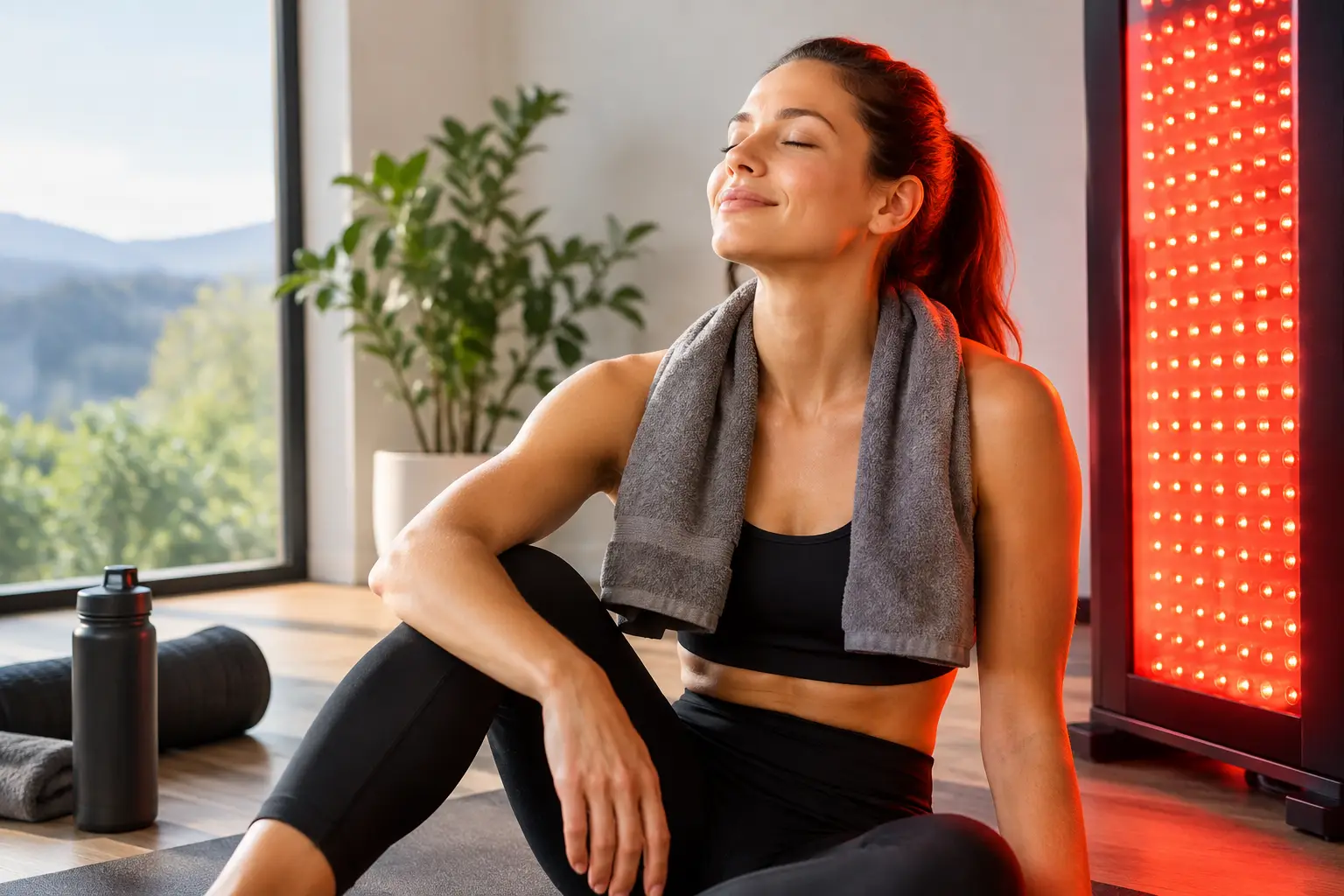
A demanding workout, a long-haul flight, a physically intensive shift, or a week lived at full speed can all leave the body asking for the same thing: a more effective chance to reset. Can infrared light aid recovery in that moment? For many people, red and near-infrared light therapy can be a valuable non-invasive addition to a well-designed recovery routine, particularly when it is used consistently and alongside sleep, movement, nutrition, and appropriate medical care.
The essential word is addition. Photobiomodulation is not a substitute for rest, rehabilitation, or clinical assessment after a serious injury. It is a technology designed to support the body’s natural recovery processes in a practical, low-disruption way.
How infrared light may support recovery
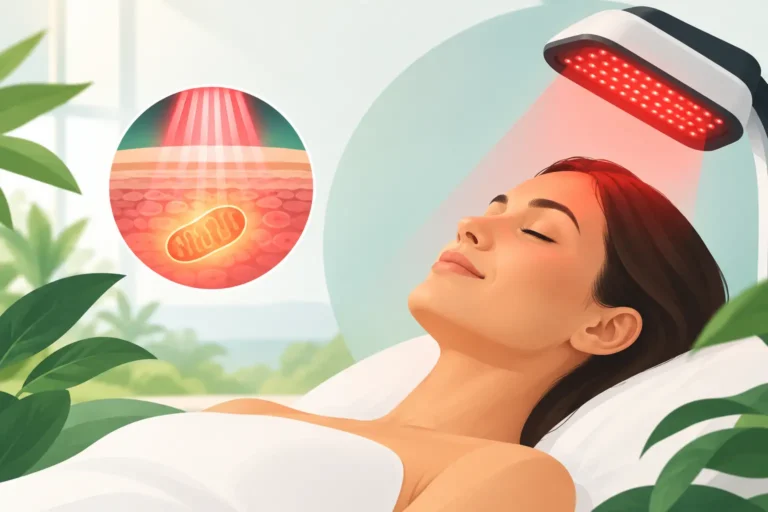
Near-infrared light is invisible to the human eye, while red light is visible. Both are used in photobiomodulation, a process in which specific wavelengths of light are delivered to tissue at controlled intensities. Unlike heat-based treatments, the intended effect is not simply to warm the surface of the skin. The aim is to influence cellular activity.
At the cellular level, light-sensitive components, including those associated with the mitochondria, may respond to red and near-infrared wavelengths. Mitochondria help cells produce energy in the form of ATP. This is one reason photobiomodulation has drawn interest in recovery settings: tissues facing the demands of training, work, travel, or everyday stress need energy to repair, adapt, and function well.
Research suggests that appropriate light exposure may support circulation, help modulate temporary inflammatory responses, and contribute to comfort in muscles and joints. The response depends on the individual, the condition being addressed, and the device settings. This is not a case where more exposure automatically creates better results.
Red light and near-infrared light have different roles
Red light generally interacts more with surface-level tissues, making it relevant for skin and areas closer to the body’s exterior. Near-infrared light can reach deeper, which makes it especially relevant when the focus is larger muscle groups, joints, and deeper soft tissue.
In a quality photobiomodulation system, these wavelengths are often paired rather than treated as competing options. That combination can support a broader recovery experience, from post-exercise muscle care to the daily management of physical tension that accumulates at a desk, in transit, or during demanding work.
Can infrared light aid recovery from exercise?
For active adults, the most practical question is whether a light session can make the day after training feel more manageable. It may. Some users report less perceived soreness, improved comfort, and a greater sense of readiness when red and near-infrared light are incorporated into a regular post-training routine.
That does not mean light therapy erases delayed-onset muscle soreness or makes it wise to train through sharp pain. Soreness is part of adaptation, and pain can be a useful warning sign. The value of photobiomodulation is better understood as support for recovery capacity, not permission to ignore the body’s limits.
The greatest benefit is often seen when the technology fits naturally into a complete recovery plan. A short session after strength training, cycling, running, or a long day on one’s feet can become a quiet transition between performance and restoration. Pair it with hydration, a protein-rich meal when appropriate, gentle mobility, and a consistent sleep schedule, and the effect is more meaningful than any isolated intervention.
Recovery is more than muscles
People often associate recovery with athletes, but recovery is an everyday need. Hotel guests may be managing jet lag and disrupted sleep. Office leaders may be looking for practical ways to support focus and reduce the physical strain of sedentary work. Wellness and rehabilitation professionals may want non-invasive tools that complement their existing services without adding complexity to the client experience.
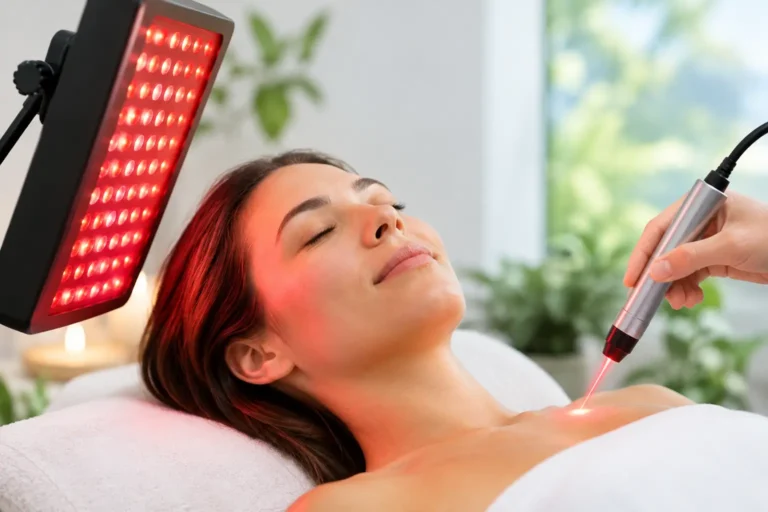
Red and near-infrared photobiomodulation can be particularly compelling in these contexts because sessions are quiet, comfortable, and require no downtime. The individual can rest, breathe, and step away from constant stimulation while the light is applied.
This matters because the body does not recover in separate compartments. Muscle tension can affect sleep. Poor sleep can worsen perceived discomfort and reduce motivation to move. Ongoing stress can make it more difficult to maintain healthy routines. A recovery environment should recognize these connections rather than focus on one symptom alone.
HealthWise approaches this idea through integrated wellness environments that combine Nircura red and near-infrared photobiomodulation with nature-inspired, light-activated air revitalization. The intention is not to create another gadget-filled room. It is to create a refined space where breathing, calm, and regenerative technology work together for modern daily life.
What a useful infrared recovery routine looks like
Consistency matters more than occasional intensity. A person who uses a professionally designed system on a regular schedule is more likely to notice whether it supports their comfort, sleep quality, or post-exercise readiness than someone who uses it once after an unusually hard workout.
The right schedule depends on the device and the goal. Follow the manufacturer’s instructions for session length, distance, and frequency. Quality systems specify their wavelengths and irradiance, which is the amount of light energy delivered to a given area. These details matter because photobiomodulation follows a dose-response relationship. Too little may not be meaningful, while excessive exposure may not improve results and can be counterproductive.
For general exercise recovery, users often place sessions after training or at another predictable point in the day. For relaxation and evening wind-down, timing may be guided by personal comfort and overall sleep habits. Bright visible light can feel stimulating for some people, so anyone sensitive to light before bedtime should observe how their own body responds.
A simple routine can be effective: use the system as directed, keep a brief record of soreness, sleep, and mobility for several weeks, and adjust with qualified guidance when needed. This turns recovery from a vague feeling into an informed personal practice.
What to look for in a photobiomodulation system
Not every red-light device is built to deliver the same experience or level of clarity. In a premium wellness or professional setting, appearance is only part of the decision. The more relevant questions concern the technology, the user experience, and the level of support behind it.
Look for transparent information about red and near-infrared wavelengths, output, treatment guidance, and safety instructions. A system should make it easy to use consistently rather than asking users to calculate complicated settings each time. For hotels, wellness centers, and rehabilitation spaces, training and thoughtful placement are equally important. A sophisticated system is only valuable if guests and clients understand how to use it comfortably and confidently.
The physical environment also changes the perceived value of a session. A calm, clean, purposeful space invites people to slow down long enough for recovery to become a habit. That is especially relevant for hospitality and workplace settings, where even a brief restorative interval can improve the quality of a demanding day.
Safety, expectations, and when to seek care
Photobiomodulation is generally valued because it is non-invasive and does not rely on medication. Still, responsible use begins with realistic expectations. It may support recovery, but it does not diagnose injuries, repair a torn tendon, treat an infection, or replace a clinician’s care plan.
Anyone with unexplained pain, worsening symptoms, significant swelling, numbness, a recent acute injury, or a condition requiring medical management should speak with a qualified health professional. People using photosensitizing medications, those with known light sensitivity, and individuals undergoing treatment for serious health conditions should seek medical guidance before beginning light therapy. Eye protection and the device’s safety recommendations should always be followed.
Recovery is not a luxury reserved for the end of a difficult week. It is a daily design choice: create a few quiet, repeatable moments in which the body has the conditions to restore itself, and let technology support that process with purpose.