A red-light panel in a hotel recovery suite, a handheld device in a physiotherapy clinic, and a medical laser in a treatment room may all use light. Yet they do not necessarily do the same job. The conversation around photobiomodulation versus laser therapy often becomes confusing because one term describes a biological approach while the other may describe a type of device.
For wellness professionals, hospitality leaders, and individuals building healthier daily routines, the distinction matters. It affects expectations, safety protocols, treatment design, and the kind of experience offered to a guest or client. Light can be a refined, non-invasive part of recovery support, but only when the technology and its intended use are understood clearly.
Photobiomodulation Versus Laser Therapy: The Core Difference
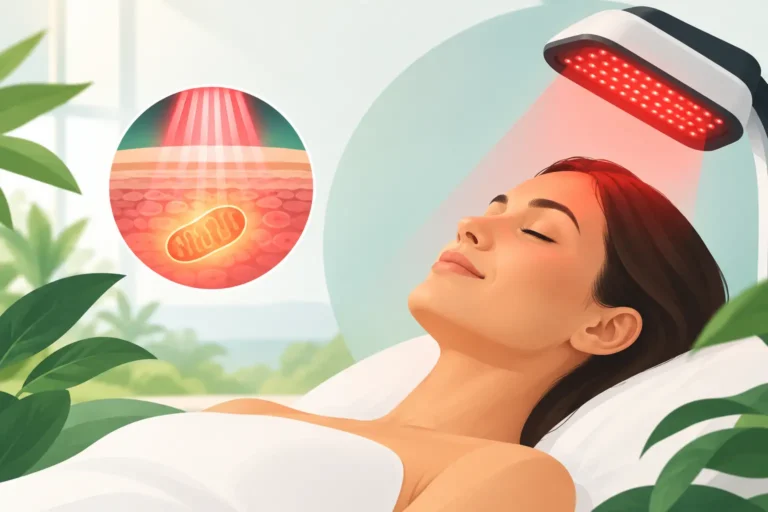
Photobiomodulation, often shortened to PBM, is the use of specific wavelengths of red or near-infrared light at appropriate doses to influence cellular processes. It is also commonly called low-level light therapy or red-light therapy, although those labels are not always used with perfect precision.
The central idea is not heat or tissue destruction. In PBM, light energy is absorbed by photoacceptors within cells, including structures associated with mitochondrial activity. This can influence cellular signaling and energy-related processes. Research continues to examine how these mechanisms may support tissue recovery, temporary relief of minor aches and stiffness, circulation-related responses, and other biological functions.
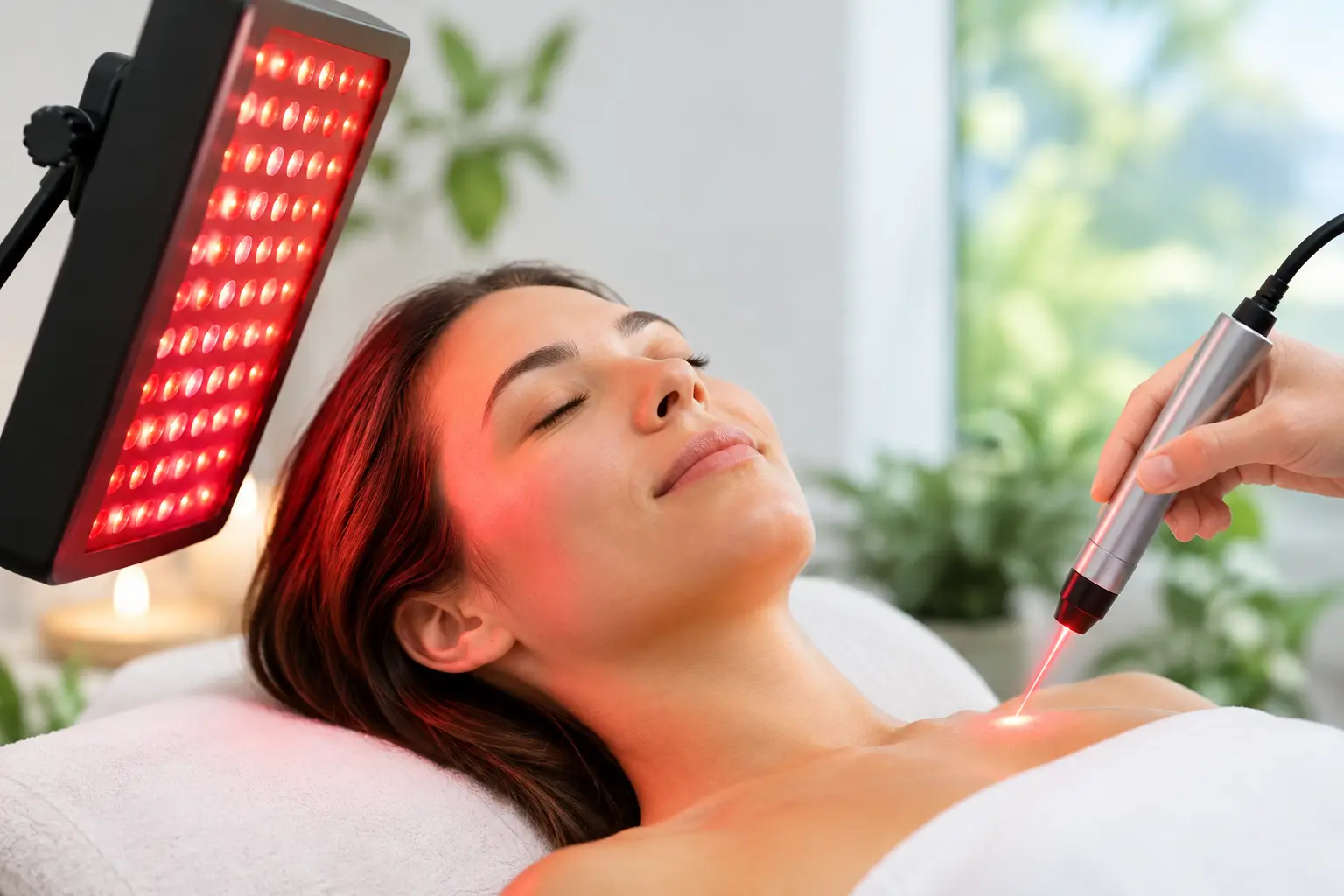
Laser therapy, by contrast, refers to treatment delivered with a laser. A laser produces coherent, concentrated light that can be tightly directed. But lasers operate across a wide range of power levels and medical purposes. A high-powered laser may cut, ablate, or cauterize tissue. That is not photobiomodulation.
A low-level laser used at non-thermal settings may deliver PBM. In that case, laser therapy is one delivery method for photobiomodulation. PBM can also be delivered by quality light-emitting diode, or LED, systems. The terms overlap, but they are not interchangeable.
Why the Distinction Changes the Experience
The phrase “laser therapy” can sound more clinical and more powerful, which is sometimes accurate. In a medical context, a clinician may choose a laser because its focused beam is useful for treating a targeted area. Its precision can be valuable when a protocol calls for it.
For broader wellness settings, however, a large-format red and near-infrared LED system can be the more natural fit. It can illuminate a wider body area without requiring the same point-by-point application. This supports a relaxed, repeatable recovery ritual for people managing the physical and mental load of travel, demanding workdays, training, or everyday stress.
Neither option is automatically superior. The right choice depends on the goal. A practitioner addressing a specific localized concern may value a targeted clinical device. A spa, hotel, office wellness room, or private home may prioritize comfortable full-body or regional exposure, practical session flow, and a calm premium environment.
The quality of light delivery matters more than the marketing label on the device.
Wavelength, Irradiance, and Dose Matter More Than Color Alone
Not every red-looking light is a PBM system. Effective photobiomodulation depends on several interacting variables: wavelength, irradiance, treatment time, distance from the body, beam area, and total energy delivered.
Red light is commonly discussed in wavelengths roughly between 600 and 700 nanometers. It is generally used for more superficial targets, such as skin and tissues closer to the surface. Near-infrared light, usually above 700 nanometers, is invisible to the eye and may reach deeper tissue than visible red light. Many advanced systems combine both ranges to support versatile wellness applications.
Irradiance describes how much optical power reaches a given area, often expressed in milliwatts per square centimeter. A device can have attractive specifications yet deliver insufficient usable light at the body. Conversely, more intensity is not always better. PBM is widely associated with a biphasic dose response: too little energy may not produce the intended response, while excessive exposure may be less useful or potentially counterproductive.
This is why sensible protocols matter. A ten-minute session is not inherently better than a five-minute session, and standing closer is not always the right decision. Users should follow the manufacturer’s instructions and, in professional settings, work from defined procedures rather than guesswork.
Lasers and LEDs: A Practical Comparison
Lasers emit coherent, collimated light, meaning the waves are organized and the beam can remain narrow over distance. This can make a laser highly precise. Depending on the device and settings, it may be used for non-thermal PBM or for procedures that require significant thermal or ablative effects.
LEDs emit non-coherent light across a broader area. Coherence is often presented as the deciding factor, but it is not the practical measure of PBM quality for most wellness applications. Once light enters biological tissue, scattering occurs quickly. Wavelength, delivered dose, coverage, and device engineering usually have more relevance to the user experience.
A well-designed LED system can be especially suited to routine wellness use because it offers broad coverage and a comfortable treatment format. It also makes it easier to incorporate light sessions into recovery rooms, premium hospitality settings, and private wellness spaces without turning the experience into a technical procedure.
That said, LEDs and lasers should never be judged only by category. Device quality varies widely. Responsible buyers should ask about wavelength ranges, output at the treatment distance, recommended session parameters, safety guidance, intended use, and relevant regulatory status for their market.
What Photobiomodulation Can Reasonably Support
PBM is appealing because it is non-invasive and does not require medication or downtime. It may fit a preventive, recovery-focused wellness routine for people who want practical support around demanding schedules.
In an everyday setting, users may seek red and near-infrared light sessions to complement sleep routines, post-exercise recovery, skin-focused care, relaxation practices, or the management of temporary muscle fatigue. A professional environment may incorporate the technology as part of a broader recovery offering for guests, clients, or employees.
The language matters here. A wellness device should not be positioned as a cure for disease or as a replacement for medical diagnosis and treatment. Results can vary according to the individual, the condition being addressed, the quality of the device, and consistency of use. For persistent pain, unexplained symptoms, or a diagnosed medical condition, consultation with a qualified healthcare professional remains the appropriate first step.
Safety Is Part of a Premium Wellness Standard
Low-level red and near-infrared light is generally designed to be comfortable and non-thermal when used according to instructions. Still, non-invasive does not mean casual. Eye protection and exposure guidance deserve particular attention, especially with powerful devices or in professional environments where protocols need to be consistent.
People who are pregnant, have photosensitivity, take medications that increase sensitivity to light, have active cancer concerns, or have a relevant eye condition should seek medical guidance before beginning a PBM routine. Providers should also avoid making claims that exceed the device’s intended use or available evidence.
For business owners, safety means more than reading a manual once. It means staff education, clear client communication, clean session procedures, realistic benefits language, and a thoughtfully designed environment. These details build trust. They also make advanced wellness feel calm rather than complicated.
From a Device to a Recovery Environment
The most meaningful wellness experiences are rarely built around a single device. Light-based recovery becomes more valuable when it is placed within an environment that encourages people to pause, breathe, and restore their attention.
This is the principle behind HealthWise wellness environments, where advanced red and near-infrared photobiomodulation can sit alongside nature-inspired, light-activated air revitalization. The goal is not to overload a room with technology. It is to create a coherent space where recovery feels natural, elegant, and practical for modern life.
A hotel guest may use a brief evening session after a long journey. A wellness center may build a restorative ritual around movement, hydration, and red-light exposure. An office manager may offer a quiet recovery space that helps employees step away from continuous stimulation. Each use case calls for a different format, but the underlying value is the same: making restorative habits easier to repeat.
Choosing between photobiomodulation and laser therapy begins with a better question than “Which is stronger?” Ask what outcome, setting, level of precision, and user experience the space truly requires. When light technology is selected with that intention, it can become a credible, refined part of everyday regeneration.