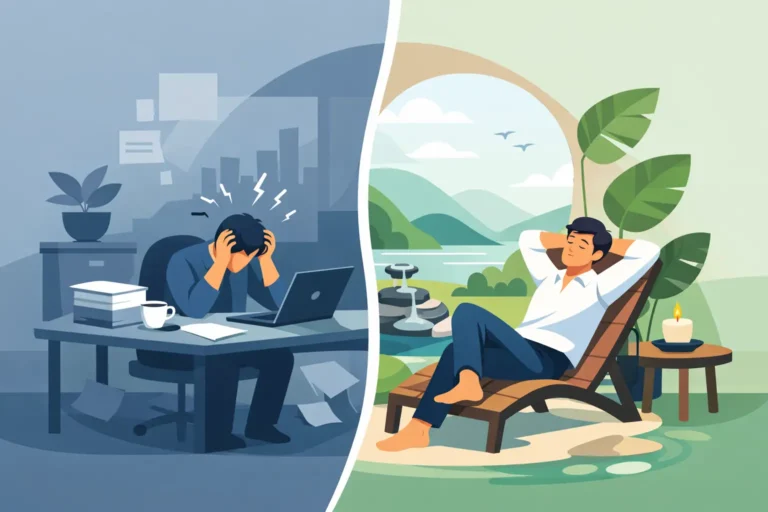
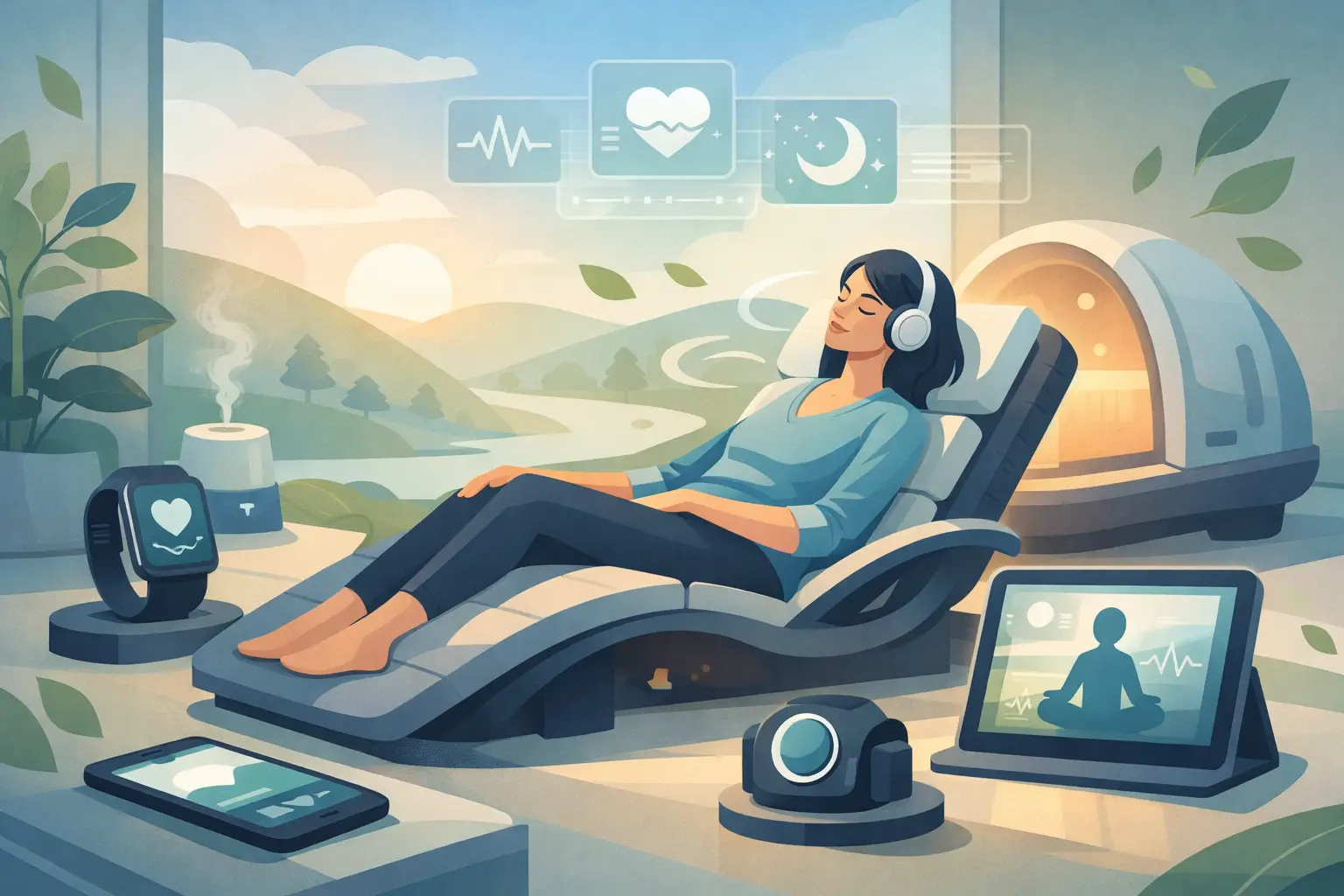
A demanding schedule rarely announces when recovery is needed. It shows up in lighter sleep, persistent tension, slower concentration, and the feeling that a weekend is not enough to restore momentum. Recovery technology offers a more intentional response: bringing supportive, non-invasive wellness tools into the spaces where people already live, work, travel, and rest.
For discerning individuals and professional wellness environments, the value is not in adding another device to a routine. It is in creating conditions that make restoration easier to access. Thoughtfully integrated red and near-infrared light, together with nature-inspired air revitalization, can turn a hotel room, private home, treatment room, or executive workspace into an environment designed for calmer breathing, regenerative rituals, and better daily readiness.
What Recovery Technology Really Means
Recovery technology is a broad term. It can include tools that support the body’s return to balance after physical exertion, mental overload, travel, poor sleep, or sustained stress. The strongest solutions do not promise a shortcut around healthy habits. They complement them by making restorative practices more consistent and more convenient.
In premium wellness settings, two approaches are particularly complementary: photobiomodulation using red and near-infrared light, and environmental technologies designed to improve the felt quality of the air around the user. One focuses on a targeted light-based wellness session. The other supports the atmosphere of the space itself. Together, they address a practical reality: recovery is influenced by both what we do and where we do it.
This distinction matters for hotels, spas, rehabilitation centers, and offices. A standalone treatment may create a positive moment. A well-designed recovery environment can make that moment repeatable, intuitive, and aligned with the rhythm of everyday life.
Red and Near-Infrared Light for Regenerative Support
Photobiomodulation uses specific wavelengths of red and near-infrared light. Red light is generally associated with more superficial tissue exposure, while near-infrared light is used for its ability to reach deeper. In wellness applications, these wavelengths are used to support cellular processes involved in energy production and the body’s natural recovery response.
The practical appeal is clear. Sessions are non-invasive, quiet, and easy to incorporate before sleep, after exercise, between meetings, or as part of a professional treatment plan. Users often seek this technology to support relaxation, physical recovery, skin vitality, and a more restorative daily rhythm.
Still, quality matters more than novelty. Light-based recovery systems should be selected with attention to wavelength design, irradiance, treatment area, session guidance, comfort, and safety features. More intensity is not automatically better. The right protocol depends on the device, the intended use, and the individual.
For a wellness professional, this means treating photobiomodulation as a considered service rather than a trend. For a private user, it means choosing a system that is simple enough to use regularly. Consistency, not occasional excess, is what gives a wellness routine its practical value.
Recovery Is Not Only About Training
Athletes are often the first people associated with recovery tools, but they are not the only ones who benefit from a deliberate recovery routine. A business leader moving between time zones, a parent managing interrupted sleep, or a guest arriving after a long flight may all be carrying a similar burden: a nervous system that has had little opportunity to settle.
That is why modern recovery spaces should feel relevant beyond the gym. A short, comfortable light session can become a transition ritual between a demanding day and evening rest. In a spa or rehabilitation setting, it can support a more complete experience alongside professional care. In hospitality, it can add a meaningful layer of wellness to a stay without asking guests to reorganize their schedule.
Why the Environment Changes the Experience
Recovery does not happen in isolation from the surroundings. Harsh light, stale-feeling rooms, noise, and a rushed atmosphere can work against even the best personal wellness intentions. By contrast, a space that feels fresh, calm, and thoughtfully arranged encourages people to pause long enough for a recovery practice to become effective.
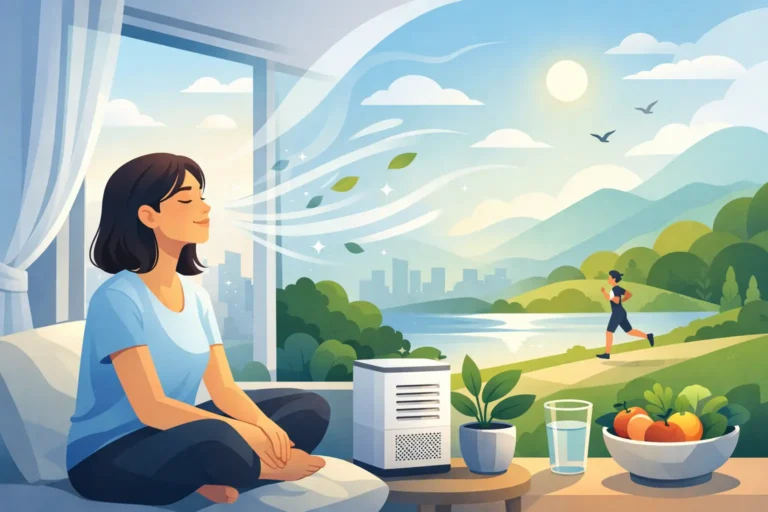
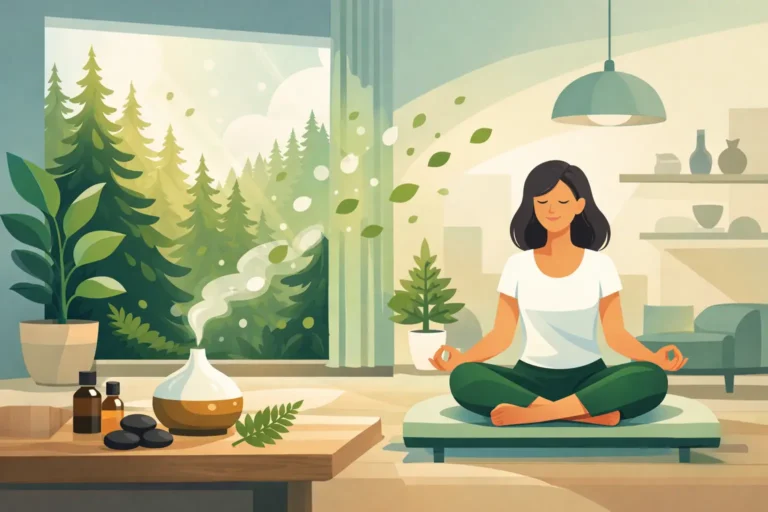
Nature-inspired, light-activated air revitalization is designed to bring a more vital atmospheric quality into indoor environments. The objective is not merely technical performance. It is the experience of breathing and resting in a space that feels more supportive, especially when urban routines, climate-controlled rooms, and long indoor hours can leave people feeling depleted.
This environmental layer is especially valuable in hotel rooms, executive offices, wellness suites, and homes. It does not compete with photobiomodulation. It gives the light session a better context. A guest can step into a calmer room after travel. An office team can use a focused recovery area between high-pressure tasks. A family can establish an evening ritual that supports a quieter transition toward sleep.
Designing a Recovery Technology Space
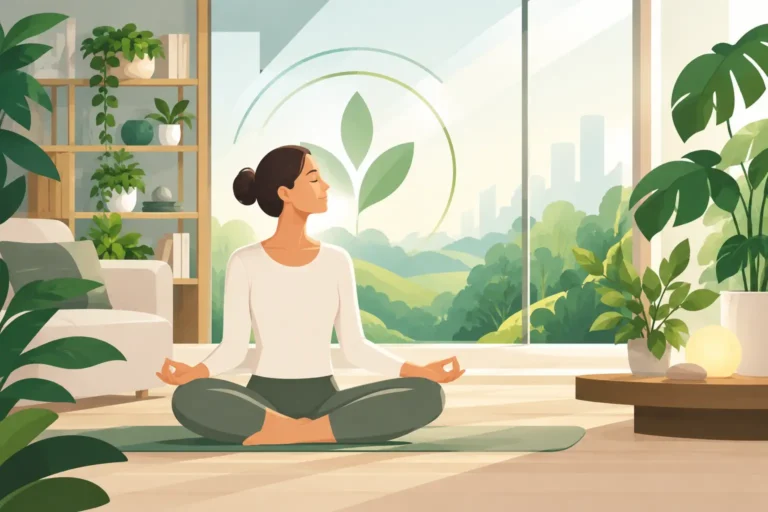
The best recovery spaces are not crowded with complicated equipment. They are clear in purpose. The user should understand what the environment is for within seconds: pause, breathe, restore, and return to the day with more capacity.
Start with the intended moment of use. In a hotel, the priority may be jet lag, sleep readiness, and a premium in-room experience. In a spa, it may be a structured recovery ritual before or after another treatment. In an office, the emphasis may be stress management, mental focus, and a practical reset that fits within a workday. At home, flexibility and ease of use are often the deciding factors.
Then consider placement and behavior. A recovery system hidden away in a storage room will not become part of a routine. A beautifully integrated installation in a quiet corner, bedroom, dedicated wellness room, or private suite has a far greater chance of being used. Comfortable seating, restrained visual design, simple instructions, and a clear session flow are not decorative details. They are part of the technology’s effectiveness in real life.
HealthWise approaches this opportunity as an integrated wellness environment, combining Forest Air’s nature-inspired air revitalization with Nircura red and near-infrared photobiomodulation systems. The goal is not to create a clinical-looking room. It is to make advanced wellness feel natural, elegant, and practical in the places where people need it most.
The Trade-Offs Worth Considering
Recovery technology should be evaluated with the same care as any long-term wellness investment. The first trade-off is between broad claims and specific use cases. A system designed for better sleep routines, relaxation, and recovery support should be presented honestly as part of a wider lifestyle, not as a replacement for medical diagnosis, treatment, movement, nutrition, or sleep hygiene.
The second is between convenience and personalization. Pre-set sessions make technology approachable, particularly in hotels and shared spaces. Personalized guidance can be more appropriate in professional settings or for users with distinct goals. The ideal solution often includes both: a simple experience for everyday use and informed support when a more tailored approach is needed.
Finally, aesthetics and performance should not be treated as opposing priorities. In premium environments, visual harmony encourages use and protects the quality of the guest or client experience. Yet elegant design must still be backed by sound technology, transparent specifications, and thoughtful education.
A More Intentional Standard for Everyday Well-Being
The future of wellness is not necessarily more complicated. It is more integrated. People increasingly expect their homes, workplaces, and hospitality experiences to do more than look good. They want spaces that support how they feel, how they recover, and how prepared they are for what comes next.
A carefully chosen recovery environment creates room for that expectation. It makes a restorative pause easier after travel, more inviting after a demanding day, and more consistent during periods when stress would otherwise become the norm. The most valuable technology is not the one that demands attention. It is the one that helps people give attention back to their own well-being.