A premium red light therapy device is not defined by a dramatic glow or a long list of wellness promises. It is defined by whether it can deliver a consistent, comfortable, and practical photobiomodulation experience often enough to become part of real life. This red light therapy device review explains what discerning buyers, wellness professionals, and hospitality operators should look for before investing.
Red and near-infrared light therapy has become a familiar part of modern recovery routines. Used thoughtfully, it can support a sense of muscle recovery, skin vitality, relaxation, and overall well-being without needles, downtime, or complicated preparation. But devices vary substantially in light quality, coverage, usability, and the integrity of the information behind their claims.
The right choice depends on where the system will live. A compact panel may be ideal for a private home routine. A larger modular setup may be more appropriate for a spa treatment room, rehabilitation environment, executive wellness space, or high-end hotel suite. The goal is not to buy the largest device available. It is to select a system that fits the body, the setting, and the frequency of use.
Red Light Therapy Device Review: Start With Light Quality
Photobiomodulation refers to the use of specific wavelengths of light to influence biological processes in tissue. In red light therapy, the two ranges most commonly discussed are visible red light and near-infrared light. Red wavelengths are generally used for more surface-oriented applications, while near-infrared wavelengths are invisible to the eye and are commonly selected when a deeper-reaching treatment approach is desired.
A credible device should clearly state which wavelengths it uses rather than relying on broad language such as “healing light” or “advanced LEDs.” For most buyers, a combination of red and near-infrared wavelengths offers the greatest flexibility because different wellness goals and body areas may call for a different balance of visible and invisible light.
Specifications should also be presented in a way that can be evaluated. Look for irradiance, expressed in milliwatts per square centimeter, at a stated treatment distance. That distance matters. A number measured directly against the LEDs does not describe what reaches the body when a person stands or sits at a comfortable, usable position.
Higher output is not automatically better. Light treatment follows a dose-response relationship: too little exposure may be ineffective, while unnecessarily aggressive exposure may be uncomfortable or simply impractical. A well-designed device makes it easy to achieve a sensible session through clear distance guidance, timers, and repeatable settings.
Coverage Determines Whether the Device Gets Used
Coverage is one of the most overlooked elements in a red light therapy device review. It directly affects convenience. A small handheld or targeted unit can be useful for a localized area, such as a joint or a specific part of the face. Yet treating larger areas with a small device can turn a simple routine into multiple long sessions.
For whole-body recovery or regular full-body wellness use, a larger panel or multi-panel configuration can be the more intelligent investment. It reduces the number of positions required and makes it easier to treat the front and back of the body within a realistic timeframe. In commercial environments, broader coverage also improves the guest or client experience by making sessions feel intentional rather than improvised.
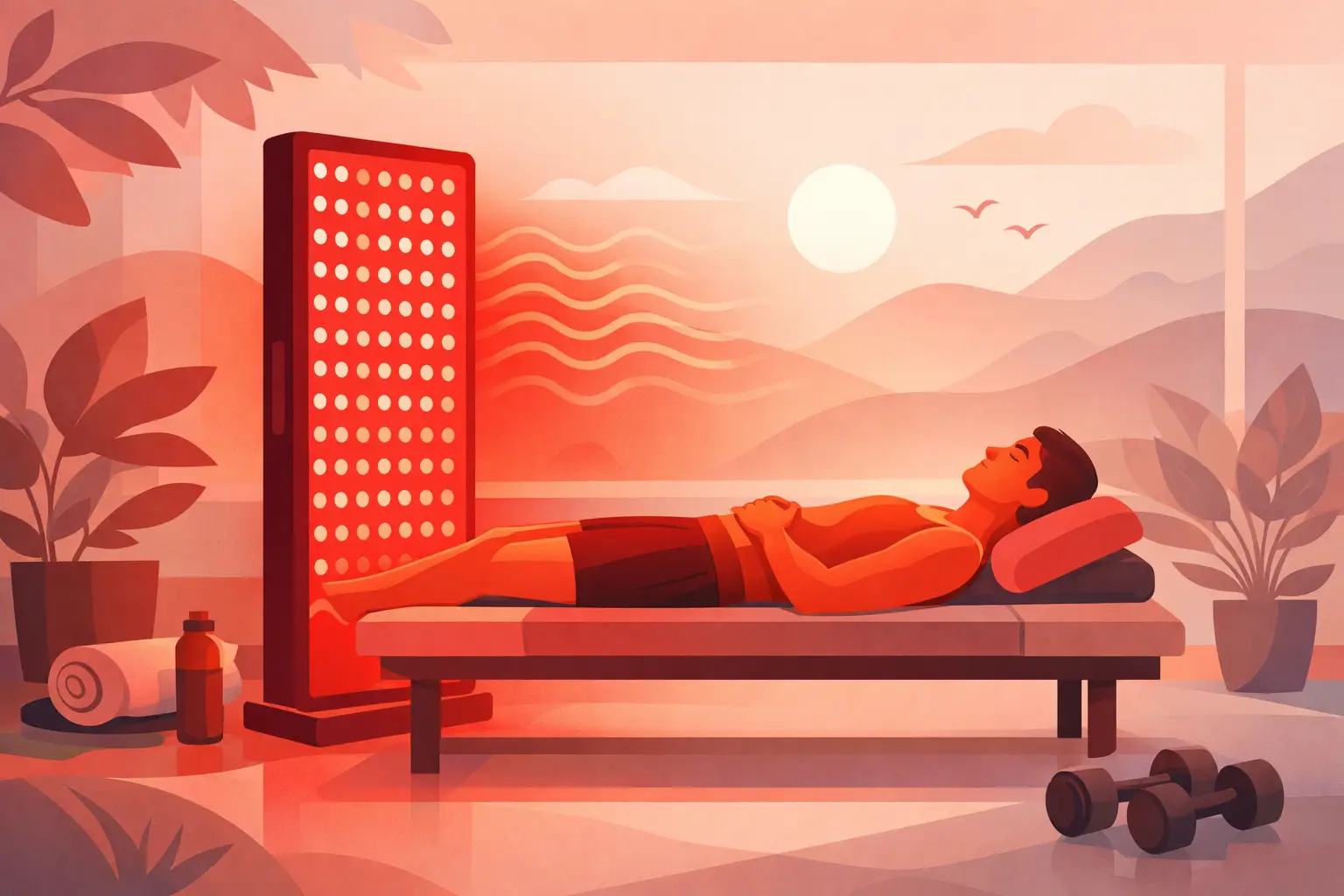
Placement matters as much as panel size. Consider whether the device can be mounted vertically, used with a stable stand, positioned beside a treatment table, or integrated into a dedicated wellness zone. A premium system should complement the room rather than create clutter, excess heat, or a complicated setup ritual.
For hotels and wellness operators, this is a design question as well as a performance question. The best equipment supports a calm, elevated environment while remaining intuitive for staff and guests. A device should feel accessible without looking clinical or requiring lengthy instructions before every session.
Usability Is a Clinical-Quality Advantage
The most advanced specifications have limited value if the device is inconvenient. Consistency is central to any wellness practice, which makes ease of use a meaningful part of performance.
A thoughtful system includes a clear timer, adjustable intensity where appropriate, straightforward controls, and reliable construction. It should make the correct treatment distance easy to understand. It should also allow users to select red, near-infrared, or combined settings when that flexibility is relevant to the intended use.
Noise, heat management, and visual comfort deserve attention too. Fans may be necessary in high-output equipment, but excessive noise can undermine a restorative session. Near-infrared light cannot be seen, while red light can feel bright to some users. A device should provide practical guidance on eye comfort and any included protective eyewear without making the experience feel intimidating.
Ease of cleaning is particularly relevant in shared settings. In a spa, rehabilitation center, or hotel wellness room, surfaces, stands, and controls should be simple to maintain between users. Operational details are not secondary. They protect the quality of the experience and help teams deliver the service with confidence.
Claims Should Be Precise, Not Overstated
Red light therapy is a promising and widely used wellness technology, but it is not a substitute for medical diagnosis or treatment. A trustworthy manufacturer does not suggest that a device can cure complex disease, replace prescribed care, or deliver identical results for every person.
Instead, look for language that reflects realistic use: support for recovery, relaxation, skin appearance, exercise routines, and general well-being. The strength of a premium wellness product lies in helping people build supportive daily rituals, not in making impossible guarantees.
There are also situations where professional guidance is appropriate. People with a medical condition, photosensitivity, concerns about medications that affect light sensitivity, pregnancy-related questions, or active skin concerns should speak with a qualified healthcare professional before beginning a new light-based routine. Responsible education builds more trust than exaggerated certainty.
For professional buyers, ask how the provider supports implementation. Is there onboarding for staff? Are treatment protocols explained in clear, non-medical language? Is the system backed by responsive service, practical training, and a warranty that matches the scale of the investment? Those answers are often more revealing than a polished product page.
Match the Device to the Environment
A home user may prioritize a compact footprint, quiet operation, and an easy 10- to 15-minute routine before work or after exercise. A family may need a versatile panel that can be used by different adults without complicated programming. In these cases, simple setup and repeatability should outweigh features that will never be used.
A wellness professional has different priorities. They need predictable performance, hygienic design, a professional presentation, and enough coverage to keep appointments efficient. A spa may also value a system that complements massage, bodywork, or recovery-focused treatments without adding invasive procedures or significant turnover time.
Hotels and premium workspaces should think beyond the device alone. Red and near-infrared photobiomodulation can become more meaningful when it is part of a deliberately restorative environment – one that supports calm, privacy, and a reset from the pace of travel or demanding work. HealthWise approaches this idea by bringing regenerative light together with nature-inspired environmental wellness, creating spaces designed for recovery rather than adding isolated equipment to a room.
That integrated perspective is especially useful for partners. Guests and clients do not evaluate technology in a vacuum. They remember how the room felt, how easy the experience was, and whether they left feeling more rested, focused, and cared for.
What a Smart Purchase Decision Looks Like
Before choosing a system, request the specifications that affect actual use: wavelength ranges, irradiance at a stated distance, coverage area, session recommendations, electrical requirements, warranty terms, and cleaning guidance. Ask where the device is designed to be used and whether its setup suits your available space.
Then consider the routine it will support. A device that is technically impressive but used once a month is rarely the best choice. A system with credible light output, thoughtful ergonomics, and a place in the daily or weekly rhythm can deliver more practical value over time.
The most worthwhile red light therapy device is one that makes advanced wellness feel natural enough to repeat: a quiet, well-designed invitation to pause, recover, and return to the day with more energy.