A hard training session, a long day on your feet, or a demanding week at work can produce the same question: what will help the body reset without adding another strain? In the conversation around photobiomodulation vs cryotherapy, both methods are popular for recovery, discomfort management, and performance support. Yet they work through very different signals – one uses targeted red and near-infrared light, while the other uses cold exposure.
For people building a more intentional wellness routine, and for hotels, spas, rehabilitation settings, and premium workplaces, the better choice is not automatically the more intense experience. It is the technology that fits the desired outcome, the user’s health profile, and the environment in which it will be used.
How Photobiomodulation Works
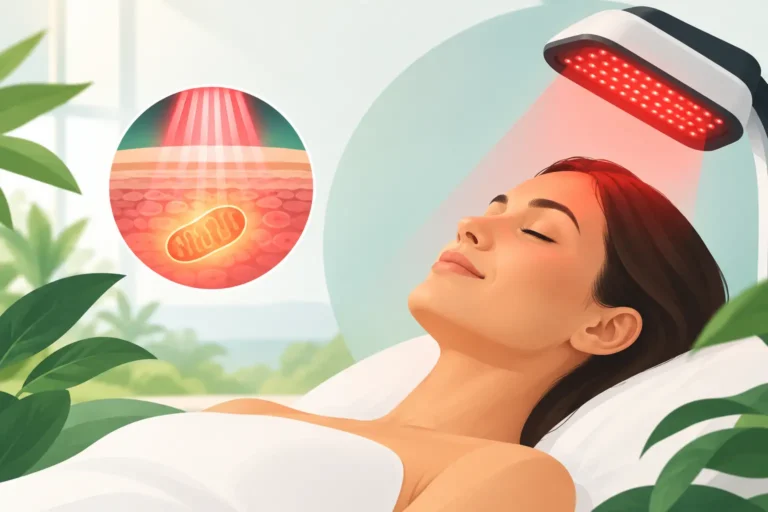
Photobiomodulation, often called red light therapy or low-level light therapy, uses specific wavelengths of red and near-infrared light. These wavelengths are applied to the body without heating tissue to the degree associated with infrared saunas or thermal treatments. The goal is not to force a dramatic physiological shock. It is to provide a gentle light-based stimulus that may support cellular energy processes and the body’s normal recovery response.
Red light is generally used for more surface-level tissues, while near-infrared light can reach deeper. Research continues to investigate its role in areas such as muscle recovery, temporary pain relief, circulation, skin appearance, and support for healthy inflammatory responses. Results depend on the wavelength, irradiance, treatment time, area treated, and consistency of use. A quality system and correct protocol matter far more than simply spending time in front of any red-colored light.
The experience itself is quiet and non-invasive. A user stands, sits, or rests near the light system for a prescribed session. There is no ice, no dramatic temperature change, and typically no recovery period afterward. That makes photobiomodulation especially practical for people who want a repeatable daily ritual before work, after exercise, or as part of an evening wind-down.
Where light-based recovery fits best
Photobiomodulation is often a strong fit when the objective is ongoing support rather than a one-time intervention. An executive managing travel fatigue, a recreational athlete training several times a week, or a wellness guest seeking calm restoration may prefer the comfort and ease of a light session.
It can also work naturally in a thoughtfully designed wellness environment. Nircura’s red and near-infrared photobiomodulation technology, for example, is designed to bring a professional-grade recovery experience into spaces where users value both performance and refined everyday comfort. The principle is simple: wellness technology is more likely to create value when it is easy to return to consistently.
How Cryotherapy Works
Cryotherapy exposes the body, or a selected body area, to very low temperatures for a short period. Local cryotherapy may involve ice packs, cold water, or specialized devices. Whole-body cryotherapy uses a chamber or cabin that creates a brief, intensely cold environment.
Cold exposure causes blood vessels near the skin to constrict and can temporarily reduce sensation in an area. This is why cold therapy has long been used after acute bumps, strains, and physically demanding activity. Many users also report feeling alert and energized after a cold session, partly because the experience is highly stimulating.
For athletes, cryotherapy may be useful when immediate comfort and a short-term reduction in post-exercise soreness are the priorities. It can be appealing after an event, during a high-volume training period, or when a person simply enjoys the invigorating effect of cold.
That said, intensity is not the same as suitability. Cryotherapy is not comfortable for everyone, and it requires more screening and supervision than many light-based wellness options. People with certain cardiovascular conditions, uncontrolled high blood pressure, cold hypersensitivity, circulation concerns, Raynaud’s phenomenon, neuropathy, or pregnancy-related restrictions should seek clinical guidance before using it. Frostbite and cold injury are also real risks when protocols are poor or exposure is inappropriate.
Photobiomodulation vs Cryotherapy for Recovery
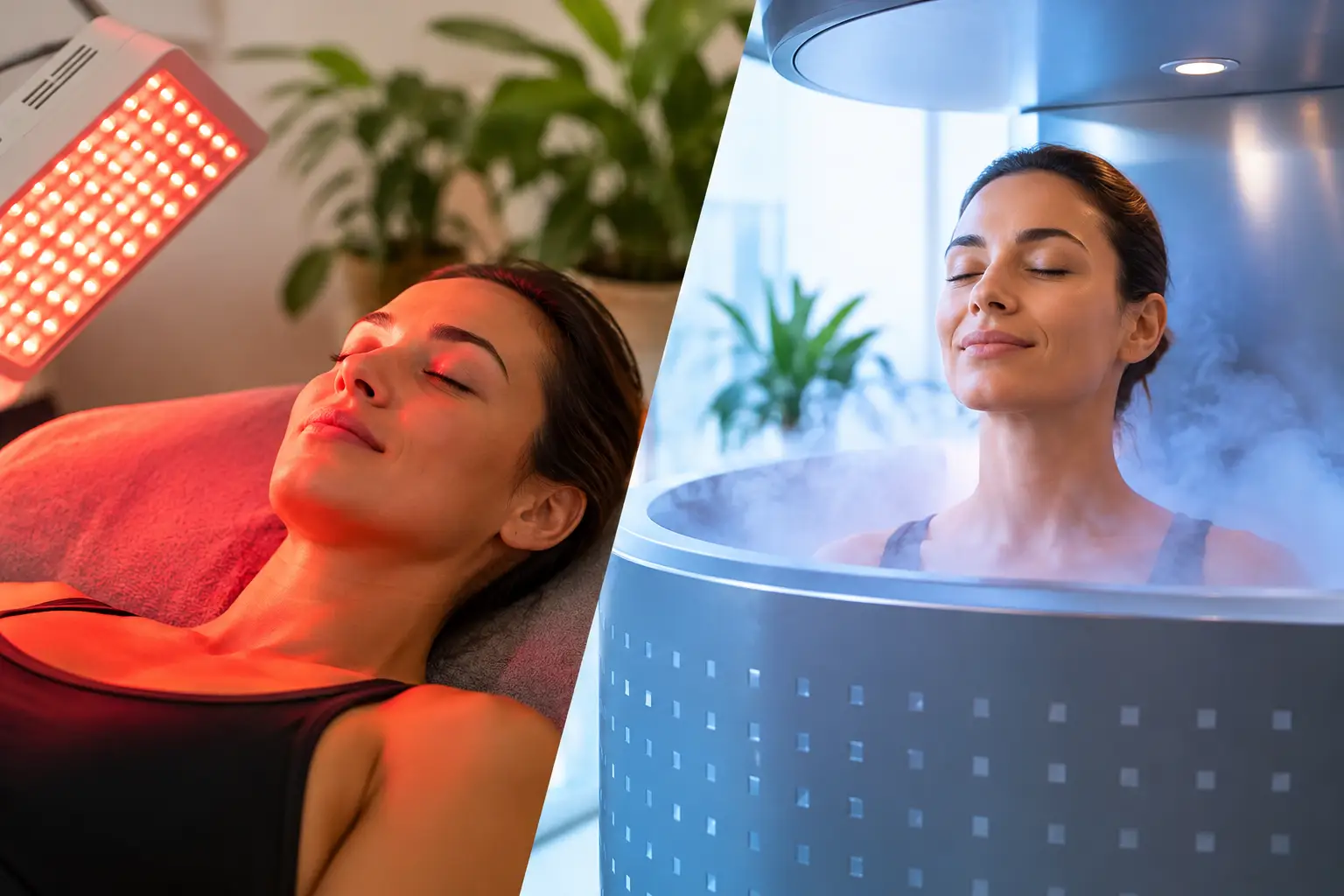
The clearest distinction in photobiomodulation vs cryotherapy is the type of recovery signal each provides. Cryotherapy is a short, intense cold stressor. Photobiomodulation is a low-intensity light treatment designed for regular, non-disruptive use.
If someone has just sustained an acute injury with swelling, cold therapy may be considered as part of immediate first-aid guidance, depending on the situation and advice from a qualified clinician. But persistent pain, significant swelling, loss of function, suspected fracture, or a sports injury that does not improve deserves medical assessment, not an endless rotation of wellness treatments.
For everyday muscle tightness, training fatigue, and general recovery routines, photobiomodulation may be easier to sustain. It does not require users to mentally brace for a cold shock, change into specialized gear, or plan around a demanding temperature experience. A consistent protocol of short sessions can feel more compatible with real life, particularly in homes, hotel suites, offices, and wellness centers.
There is also a timing consideration for serious athletes. Some evidence suggests that aggressive cold exposure immediately after resistance training could potentially blunt certain long-term adaptations when used habitually. This does not mean cold is always counterproductive. It means context matters. An athlete recovering for tomorrow’s competition may make a different decision than one focused on building strength over the next six months.
Pain and soreness are not the same goal
Both methods may be used by people seeking relief from discomfort, but neither should be presented as a cure-all. Cryotherapy can create a fast numbing effect, which some users value after strenuous activity. Photobiomodulation is generally chosen for a more gradual, cumulative recovery strategy.
The right approach depends on whether the need is immediate sensation management, longer-term recovery support, relaxation, or a combination of these. A physical therapist, physician, or qualified wellness professional can help establish sensible boundaries, especially for chronic conditions or post-procedure care.
Choosing the Right Experience for a Wellness Space
For a business, the decision is bigger than a single treatment outcome. It includes client comfort, operational complexity, maintenance, training requirements, perceived value, and how naturally the technology fits the overall guest journey.
Cryotherapy can create a memorable, high-intensity offering. It may suit performance-focused facilities with appropriate staffing, clear contraindication procedures, and clients who actively seek cold exposure. Its visual impact and challenge-based appeal can be part of the draw.
Photobiomodulation offers a different kind of premium value: calm, privacy, and repeatability. A light session can be integrated before a massage, after a gym visit, between meetings, or as part of a restorative hotel experience. It is particularly well suited to environments designed around regeneration rather than adrenaline.
For families and private users, ease of adoption should carry real weight. The best wellness investment is rarely the one that appears most extreme on day one. It is the one that people use safely, correctly, and often enough to become part of a durable health routine.
Can You Use Both?
In some cases, yes. Photobiomodulation and cryotherapy are not direct rivals in every protocol. A sports performance facility might use cold strategically for short-term post-event needs while offering photobiomodulation as a regular recovery option. The sequence, frequency, and individual response should be considered rather than assumed.
Avoid stacking treatments simply because more feels better. Recovery also depends on sleep, nutrition, hydration, stress management, intelligent training load, and medical care when needed. Technology can support these foundations, but it cannot replace them.
For most people seeking an elegant, non-invasive approach to everyday restoration, photobiomodulation offers a more comfortable starting point. For those who respond well to cold and have a clear reason to use it, cryotherapy can be a valuable complementary tool. Choose the method that respects both the body’s needs and the rhythm of the life it is meant to support.