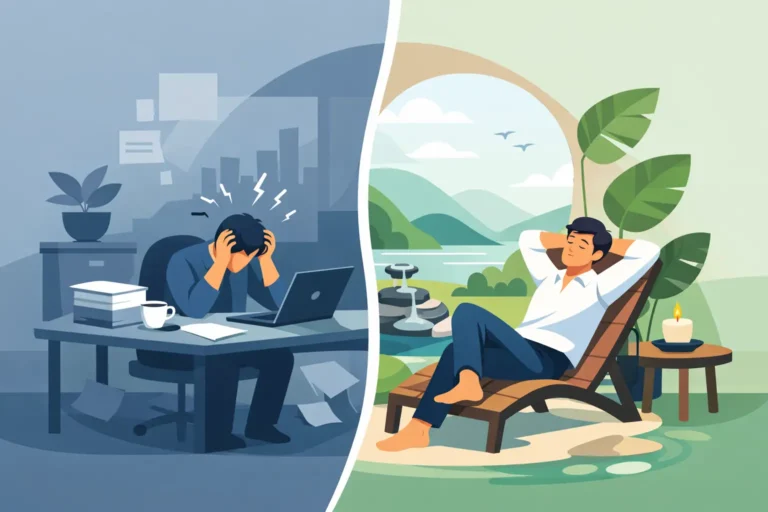
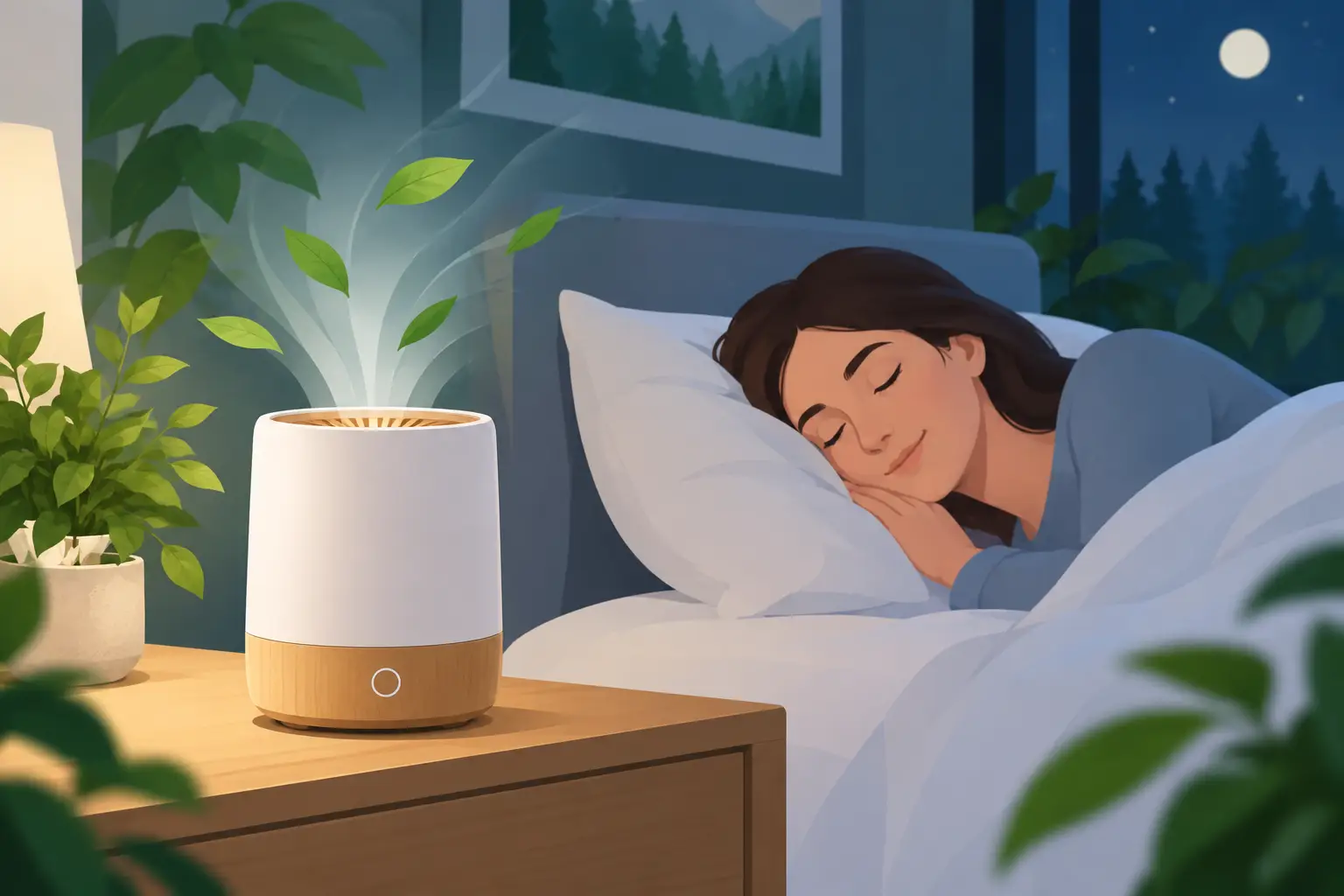
A bedroom can look perfectly designed and still feel difficult to rest in. The reason is often not visible: a busy sensory environment, a rushed pre-sleep routine, or a space that does little to signal recovery. This phytoncide device review for sleep looks at where nature-inspired air revitalization may fit into a more intentional sleep environment, what realistic results look like, and how to assess whether a premium device is right for your home, hotel, or wellness setting.
Phytoncides are naturally occurring aromatic compounds released by trees and other plants. They are central to the experience many people describe after time in a forest: the air feels fresher, the pace slows, and breathing becomes more deliberate. A phytoncide device is designed to bring an element of that sensory experience indoors through a controlled, light-activated process. It is not a medical treatment, and it should not be presented as a substitute for clinical care for insomnia, sleep apnea, anxiety, or respiratory disease. Its value is in supporting the conditions that make restorative sleep easier to pursue.
What a Phytoncide Device Can Add to a Sleep Space
Sleep is not switched on at the moment the lights go out. It is shaped by the hour before bed: how stressed the nervous system feels, whether the room is associated with work and stimulation, and whether a person has a reliable transition into rest. For many high-performing professionals, frequent travelers, and families, that transition is the missing piece.
A well-designed phytoncide device can become part of a nightly environmental ritual. The experience is subtle rather than theatrical. It is intended to create a more nature-connected atmosphere that supports slower breathing, decompression, and a sense of separation from the day. That can be especially appealing in urban residences, hotel rooms, treatment spaces, and recovery-focused suites where access to natural surroundings is limited.
The most appropriate expectation is not that the device will force sleep or deliver identical outcomes for every user. Sleep quality depends on many variables, including light exposure, temperature, caffeine, alcohol, stress, medical conditions, and schedule consistency. But when an indoor environment is designed to reduce friction around bedtime, people may find it easier to settle into a calmer routine.
Phytoncide Device Review for Sleep: What Matters Most
Not every wellness device deserves a place beside the bed. A credible review should move beyond broad promises and consider the quality of the experience, practical operation, and the role the device plays within the whole room.
The experience should be calm, not intrusive
For sleep use, subtlety matters. A device should support the bedroom without adding distracting light, sound, strong fragrance, or complicated controls. People who are scent-sensitive, prone to migraines, or managing allergies should be particularly careful with any aromatic wellness approach. A premium system should allow the environment to feel refined and quiet rather than perfumed or overstimulating.
The best test is simple: after using it for several evenings, does the room feel more conducive to winding down, or does the device become another thing to manage? A sleep-supportive technology should lower effort, not add a new obligation to the evening.
Consistency matters more than intensity
Wellness environments work through repetition. One exceptional night does not prove much, while a consistent routine can reveal whether the setting is genuinely useful. Use the device at approximately the same time each evening, ideally during a 30- to 60-minute wind-down period. Pair it with reduced screen brightness, softer room lighting, and a predictable cue such as reading, stretching, or quiet breathing.
This is also where the difference between a decorative product and an integrated wellness concept becomes clear. Forest Air’s nature-inspired, light-activated air revitalization is designed to complement the rhythms of modern living, helping create a more intentional atmosphere for rest rather than asking users to adopt a complicated protocol.
The room and user profile affect the result
A compact bedroom used by one person will feel different from a large hotel suite or a shared family space. Before investing, consider room size, ventilation patterns, placement options, noise tolerance, and how often the environment is occupied. In hospitality, consistency across rooms and ease of staff operation are just as important as the guest experience. In a spa or rehabilitation center, the device should fit naturally within existing recovery protocols and professional standards.
The user profile matters as well. Someone whose main challenge is work-related tension at bedtime may appreciate an environment that helps create a psychological boundary between the office and the bedroom. Someone who wakes repeatedly because of untreated sleep apnea needs medical evaluation first. A thoughtful review recognizes both situations instead of making one device responsible for every sleep concern.
What the Evidence Can and Cannot Tell You
The broader research interest around forest environments and phytoncides is compelling because it connects natural exposure with stress regulation, mood, and immune-related responses. However, translating findings from outdoor forest settings directly to any indoor device requires care. The concentration, duration of exposure, individual sensitivity, room conditions, and device technology all influence what a person experiences.
That is why claims should remain proportionate. It is reasonable to view a phytoncide device as a supportive environmental tool for relaxation and recovery. It is not reasonable to guarantee deeper sleep, treat a diagnosed disorder, or promise a specific biological outcome for every person.
For discerning buyers, this nuance is a strength. Premium wellness should be evaluated with the same discipline as any other investment: clear function, transparent use guidance, quality construction, and benefits that fit the user’s goals. The most valuable technologies do not need exaggerated language. They earn their place through a reliable, repeatable experience.
How to Use a Phytoncide Device as Part of a Better Bedtime Routine
Placement and timing often matter more than people expect. Position the device according to its operating guidance, with enough space around it to function as intended and without creating direct discomfort near the bed. Start the evening routine before you feel exhausted. Waiting until stress is at its peak can make any relaxation practice feel less effective.
Create a simple sequence: finish work communication, lower ambient lighting, set the bedroom to a comfortable temperature, begin the device’s evening cycle, and choose one quiet activity. Keep the routine realistic. A five-minute ritual repeated nightly is more valuable than an elaborate plan used twice a month.
For hotels and wellness businesses, the same principle can be elevated into a guest experience. A room prepared for rest can include a clear, understated instruction card, an easy control setting, and an atmosphere that feels restorative from arrival. The goal is not to overwhelm guests with wellness terminology. It is to give them a tangible sense that recovery has been considered.
Who Is Most Likely to Value It?
A phytoncide device is most compelling for people who already understand that sleep is environmental as well as behavioral. This includes executives who travel frequently, homeowners building a dedicated recovery space, wellness professionals designing calm client experiences, and hospitality leaders seeking a differentiated room offering.
It may be less suitable for buyers seeking an instant cure for chronic insomnia or a replacement for foundational sleep habits. If bedtime includes late-night work, bright screens, irregular schedules, or significant untreated health concerns, address those factors alongside any environmental upgrade. The device can support a better ritual, but it cannot carry the whole burden alone.
Is a Phytoncide Device Worth It for Sleep?
The answer depends on what you expect from it. If you want a single device to solve every sleep problem, the answer is no. If you are building a premium, nature-informed environment that makes it easier to slow down, breathe more consciously, and protect your recovery time, it can be a meaningful addition.
The strongest result comes from treating the bedroom as a recovery space rather than a storage area for the day’s unfinished demands. Begin with one calm evening this week, notice what changes your body responds to, and let the environment earn a permanent place in your routine.