A tense executive arriving late at a hotel, a therapist preparing a recovery room, and a parent trying to create a calmer home all face the same question: which wellness tools create a real shift, rather than another short-lived ritual? This stress relief technology review looks beyond novelty to assess the technologies that can support a more restorative environment and a more consistent recovery routine.
The strongest solutions do not promise to erase stress on command. They reduce friction around the habits that help the nervous system settle: slower breathing, better sleep conditions, a sense of comfort, and deliberate recovery time. For premium residences, hospitality, workplaces, and wellness centers, the relevant question is not whether a device feels impressive. It is whether people will use it consistently and feel the difference in daily life.
A Stress Relief Technology Review Starts With the Environment
Stress is not only a mental event. It is also shaped by the inputs people absorb throughout the day: indoor atmosphere, light exposure, noise, work pace, physical tension, and poor recovery between demands. A useful technology should improve one or more of these conditions without adding complicated maintenance or demanding extra time from already busy people.
That is why standalone relaxation gadgets often disappoint. A device used once in a while may offer a pleasant moment, but it rarely changes the quality of a room or supports a lasting routine. Integrated wellness environments take a broader view. They combine technologies that support breathing, sensory calm, and physical regeneration in the same space.
This approach is especially relevant in hotel rooms, executive offices, treatment settings, and homes where the room must serve multiple purposes. The goal is not to turn every room into a clinical facility. It is to create a space that feels naturally easier to inhabit, rest in, and recover within.
The Technologies Worth Evaluating
Red and near-infrared photobiomodulation
Red and near-infrared photobiomodulation uses specific wavelengths of light to interact with biological tissue. It is widely explored for its potential role in cellular energy processes, circulation, muscle recovery, skin support, and temporary relief of minor aches and stiffness. For people under sustained pressure, its appeal is practical: physical discomfort and inadequate recovery can make stress harder to manage.
The stress-relief value is therefore often indirect. A person who feels less physically depleted after travel, training, or long desk hours may be more able to sleep well, move comfortably, and maintain a calmer routine. In a professional wellness setting, this makes photobiomodulation a compelling addition to recovery-focused services.
Quality matters considerably. Evaluate wavelength ranges, treatment area, irradiance, session guidance, electrical safety, and the ability to use the system comfortably. A powerful specification sheet is not enough if the device is difficult to position, harsh on the eyes, or unsuitable for the intended setting. Users should also follow manufacturer guidance and consult a qualified clinician when they have medical conditions, use photosensitizing medications, or have concerns about light exposure.
Nature-inspired, light-activated air revitalization
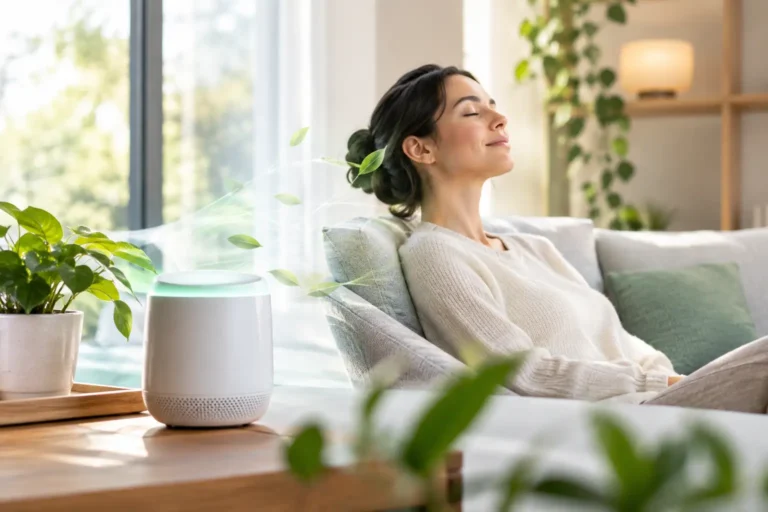
Breathing is one of the fastest pathways into a calmer state. It is not surprising that environments associated with fresh natural settings can make people feel more restored. Technologies designed around light-activated air revitalization aim to bring elements of that sensory experience indoors, supporting a space that feels more comfortable for rest, focused work, and conscious breathing.
The value here is experiential as well as functional. A hotel guest cannot control the pace of a delayed flight, and an office team cannot eliminate every deadline. But a more pleasant, restorative indoor atmosphere can create a meaningful pause between demands. It invites people to sit longer, breathe more deeply, and transition more effectively from work to recovery.
Claims in this category deserve careful review. Ask what the technology is designed to do, what maintenance it requires, and which outcomes are realistically expected. Sensory comfort is valuable, but it should not be presented as a substitute for medical care or as a cure for respiratory illness, anxiety, or sleep disorders.
Guided breathing and nervous-system tools
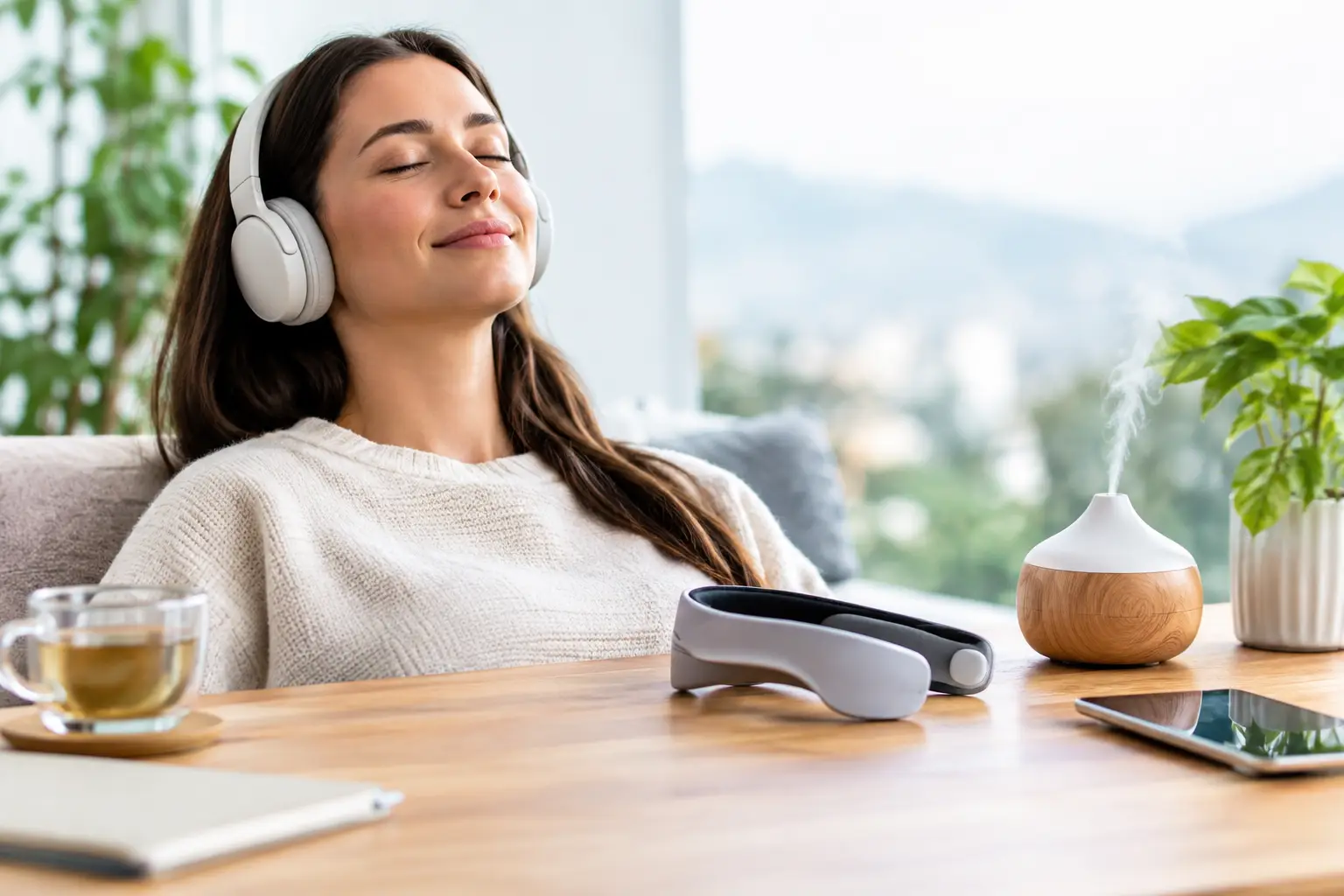
Breathing guidance, sound environments, and biofeedback-based devices can be useful when stress is acute. They give users a simple cue to slow down, extend the exhale, and notice physical tension. Their greatest strength is immediacy: a two-minute guided practice can be realistic between meetings or before sleep.
Their limitation is that they ask the user to initiate the practice every time. For motivated individuals, that is not a major barrier. For hospitality guests, employees, or families with varied habits, these tools work best when they are part of a room designed to make recovery feel inviting rather than another task on a checklist.
What Evidence Should Mean in Wellness Decisions
A premium wellness investment should not rely on vague words such as “advanced” or “scientific.” Evidence can include credible research on a technology category, transparent technical specifications, safety testing, informed practitioner use, and clear explanations of intended outcomes.
It also means respecting the difference between support and treatment. Wellness technology may help create conditions that support relaxation, recovery, sleep readiness, and general well-being. It should not claim to diagnose, prevent, or cure disease without the appropriate medical evidence and regulatory basis.
For buyers, the most useful questions are straightforward. Is the benefit plausible and clearly explained? Is the experience comfortable enough for repeated use? Can it fit into the real rhythm of the property, business, or household? Does the provider offer education after installation, rather than disappearing after the sale?
Why Combined Systems Have Greater Daily Value
The most effective stress-relief spaces are often built around complementary inputs. Light-based regeneration can support the body after physical and mental strain. An elevated breathing environment can improve the felt quality of the room. Together, they create a dedicated recovery zone without requiring the user to assemble several disconnected products or learn a complex protocol.
This is the principle behind the HealthWise wellness concept, which brings Forest Air’s nature-inspired air revitalization together with Nircura red and near-infrared photobiomodulation. The combination is designed for modern life: a quiet, elegant setting where people can pause, recover, and return to their day with greater readiness.
For hotels, this can become a distinctive in-room or suite-level experience that gives guests a tangible reason to extend their stay or return. For spas and rehabilitation centers, it can complement existing recovery services with a non-invasive, technology-led environment. For offices, it can support a dedicated reset space that recognizes performance depends on recovery. At home, it can turn an underused room into a consistent ritual for rest and renewal.
Still, integration is not automatically better in every case. A compact apartment may need a smaller, targeted setup. A clinic may prioritize protocols and practitioner training. A luxury hotel may place greater value on design integration, guest simplicity, and quiet operation. The right configuration depends on the space, the users, and the desired level of support.
How to Choose Without Buying Into Hype
Begin with the problem you are trying to solve. Is the priority sleep readiness after travel, recovery after exercise, a more restorative guest experience, or a calmer workplace? A clear use case will guide the technology choice more effectively than a long feature list.
Then consider the full experience. The best solution should feel intuitive, visually appropriate for the setting, and easy to maintain. In commercial environments, staff training and client education matter as much as the device itself. If people do not understand when and how to use the system, even sophisticated technology becomes decorative.
Finally, measure what matters. For a household, that may mean consistency of use, perceived sleep quality, and time spent intentionally resting. For a business, it may include guest feedback, repeat bookings, service uptake, or employee satisfaction. Not every outcome needs to be clinical to be meaningful, but it should be observable and connected to the original goal.
The most valuable wellness technology does not compete for attention. It quietly earns a place in the day, making recovery easier to choose when life is moving fastest.