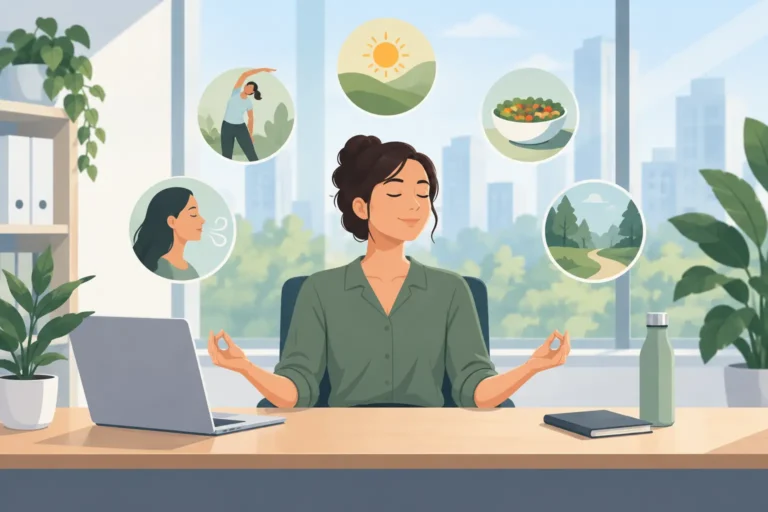
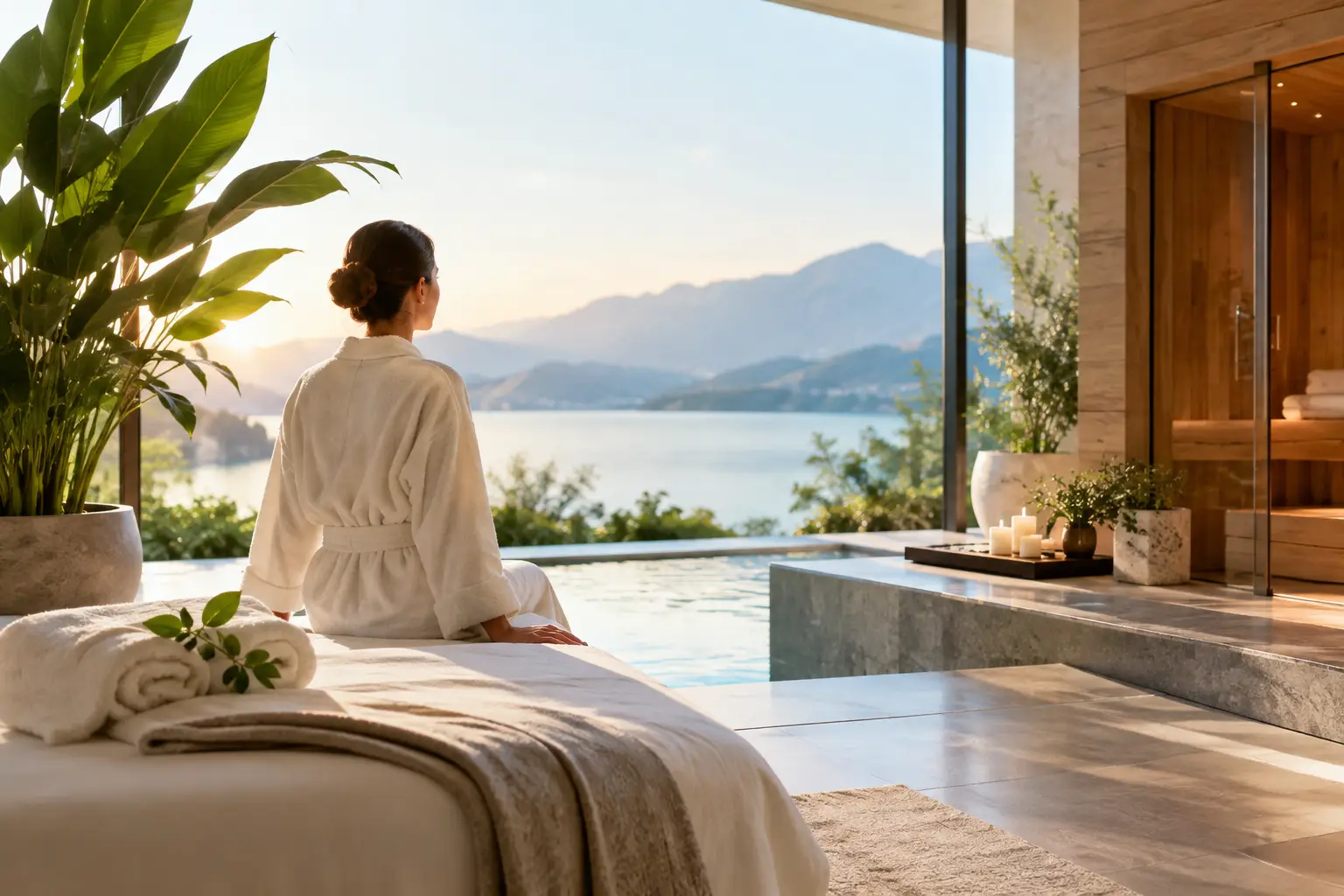
A beautiful home can lower the visual noise of a demanding life. A well-designed wellness home goes further: it actively supports how you breathe, sleep, recover, focus, and reset. That is the real shift behind the most meaningful trends in luxury home wellness. The conversation is moving away from occasional indulgence and toward environments that make restoration a natural part of every day.
For homeowners, developers, hospitality leaders, and wellness professionals, this changes the question. It is no longer, “Which feature looks most impressive?” It is, “What will people actually use when they have twenty minutes between meetings, after a long flight, or before sleep?” The strongest luxury wellness spaces answer with elegant systems that feel intuitive, private, and built for real routines.
Trends in Luxury Home Wellness Are Becoming More Intentional
The luxury market once treated wellness as a dedicated room: a home gym, a sauna, perhaps a massage table in a spare suite. Those features still have value, but the new standard is broader. Wellness is being designed into the bedroom, bathroom, workspace, guest room, and quiet transitional areas of the home.
This reflects a more sophisticated understanding of recovery. Stress is not limited to a single moment, and neither is regeneration. The quality of the air, the light exposure at different points in the day, acoustic comfort, thermal balance, and access to calming rituals all shape how a space feels to live in.
The result is less like a traditional spa and more like a responsive personal retreat. It does not demand a major appointment on the calendar. It offers small, repeatable moments of support.
Recovery takes priority over spectacle
Luxury buyers still value visual impact, but the most enduring wellness investments now have a practical purpose. A sculptural soaking tub is more compelling when it becomes part of an evening decompression ritual. A beautifully finished treatment room has greater value when it supports consistent light sessions, breathwork, stretching, or guided recovery.
This is where design discipline matters. A wellness room packed with devices can feel clinical or distracting. On the other hand, a room with no functional consideration may become a rarely used showpiece. The right balance depends on the household, but the goal is clear: create an environment that invites use without adding friction.
Light Becomes a Daily Regeneration Tool
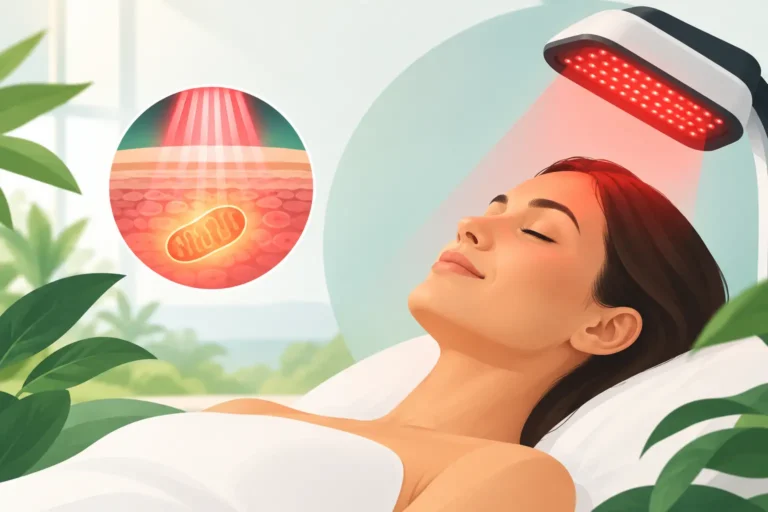
One of the most visible developments in premium wellness interiors is the move toward purposeful light. Homeowners are paying closer attention to daylight, circadian-friendly evening settings, and dedicated red and near-infrared photobiomodulation systems.
Photobiomodulation uses specific wavelengths of red and near-infrared light in a non-invasive format. It is increasingly considered by people seeking to support recovery, relaxation, skin vitality, and physical performance as part of a broader wellness routine. The appeal is practical: a session can fit before work, after training, or during a quiet evening at home.
Placement is central to whether this technology becomes useful. A system installed in an isolated room may suit someone who wants a focused ritual. Integrated placement near a bedroom, dressing area, home gym, or private office may be better for a household that values convenience. There is no universal layout. A serious athlete, a frequent traveler, and a family with young children will use the space differently.
The premium approach is not to hide wellness technology as though it is an inconvenience. It is to integrate it with materials, lighting, and proportions that make the room feel calm and intentional.
The Air Around You Is Part of the Experience
Wellness design is also becoming more atmospheric. People are increasingly aware that a home should not only look tranquil. It should feel fresh, restorative, and comfortable to spend time in.
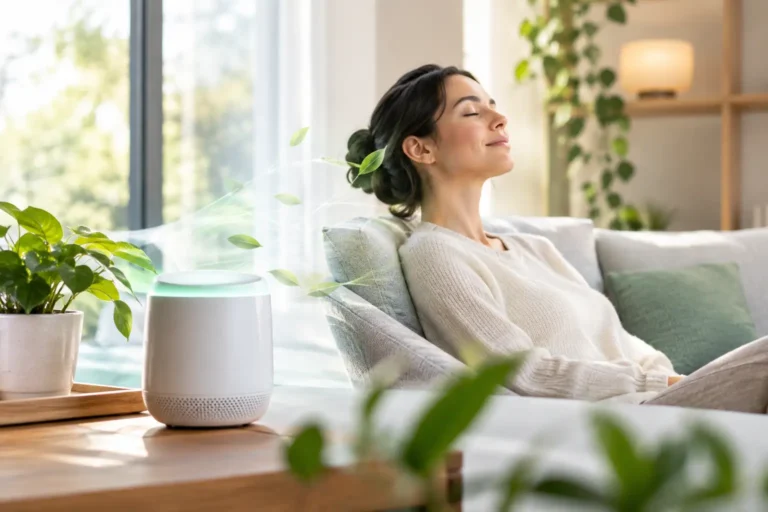
Nature-inspired air revitalization is gaining attention because it brings an often-overlooked part of well-being into the home environment. Light-activated approaches designed to emulate aspects of natural outdoor air can complement a wellness setting focused on easier breathing, mental clarity, and a calmer sensory experience. For households managing busy schedules, city living, seasonal sensitivities, or simply a desire for a more restorative interior, this can be a meaningful part of the overall plan.
The important distinction is between a single appliance and a considered environment. A high-quality wellness space considers airflow, material choices, humidity, natural light, plants where appropriate, and the sensory rhythm of the room. The technology should support that experience, not dominate it.
For hospitality properties and premium residences alike, this creates a new kind of guest comfort. A room can communicate care before a person has even booked a treatment.
Bedroom Wellness Is Moving Beyond Sleep Tracking
Sleep remains the foundation of home wellness, but luxury bedrooms are moving beyond wearable data and blackout shades alone. The focus is shifting to a full pre-sleep environment: warmer evening lighting, quiet surfaces, temperature control, uncluttered visual fields, and recovery tools that help residents transition out of high-alert mode.
The best bedroom wellness design avoids turning rest into another performance metric. Data can be helpful, especially when it reveals patterns, but it can also create anxiety when every night is scored. A more balanced approach combines useful feedback with tactile, low-tech signals: softer light, a comfortable place to stretch, a clear boundary between work and rest, and a reliable evening ritual.
For clients who travel often or work under sustained pressure, a dedicated recovery corner near the bedroom can be more useful than another screen-based sleep device. It offers a place to pause without bringing work, notifications, or decision-making into the final hours of the day.
Private Wellness Spaces Need Flexibility
A fixed-use room is not always the best use of premium square footage. One of the most practical luxury home wellness trends is the flexible recovery suite: a space that can support light therapy, mobility work, meditation, breathwork, beauty rituals, and quiet reading without feeling crowded.
This approach is especially relevant in urban homes, apartments, and second residences where every room must earn its place. A thoughtfully planned 100-square-foot room can provide more daily value than a large, underused spa area. Storage, adjustable lighting, comfortable seating, and discreet integration of wellness systems make the difference.
Families benefit from flexibility as well. One person may use the space after exercise, another may need a calm place to decompress after work, and guests may value it as a private restorative amenity. The room becomes part of the home’s rhythm rather than a specialized zone reserved for rare occasions.
Wellness Design Is Becoming More Personal
Personalization is the defining feature of premium wellness. Not every client needs the same technology, intensity, or routine. A home designed for active recovery will look different from one built around stress reduction, respiratory comfort, or a hospitality-grade guest experience.
That is why consultation matters before installation. Consider who will use the space, when they will use it, and what behavior the design is meant to support. A system that requires complicated setup is less likely to become a habit. A space that is too exposed may not work for someone who values privacy. A highly technical solution may need simple controls so that every member of the household can use it with confidence.
HealthWise approaches this opportunity by bringing nature-inspired air revitalization together with red and near-infrared photobiomodulation in a cohesive wellness concept. The value is not simply having two advanced technologies in one room. It is creating a more complete setting for breathing, recovery, and everyday vitality.
What Makes a Wellness Investment Last
The most successful wellness homes are not designed around novelty. They are designed around adherence. If an environment makes recovery feel easy, private, and enjoyable, it has a better chance of becoming part of someone’s life.
Before choosing features, start with the moments that need support: the rushed morning, the post-work transition, the recovery period after travel, the hour before bed, or the guest experience in a hotel suite. Then build the space around those moments with a clear purpose. Luxury is no longer only about having more. It is about feeling better in the place where life actually happens.