A red light session should not feel like another demanding item on your schedule. It is a quiet, non-invasive recovery practice: a few minutes of purposeful exposure while you prepare for the day, reset after training, or create a calmer evening routine. Knowing how to use red light well makes the difference between simply owning a device and making photobiomodulation part of a meaningful wellness environment.
Red and near-infrared light are used to support the body’s natural cellular processes. The experience is gentle, but the practical details matter. Session timing, distance, consistency, and the area being treated all shape how useful the routine feels over time.
How to Use Red Light Safely and Effectively
Begin with the instructions for your specific device. Red light systems can differ in output, wavelength combination, recommended distance, and treatment duration. A compact panel, a full-body system, and a professional wellness installation should not be used according to the same assumptions.
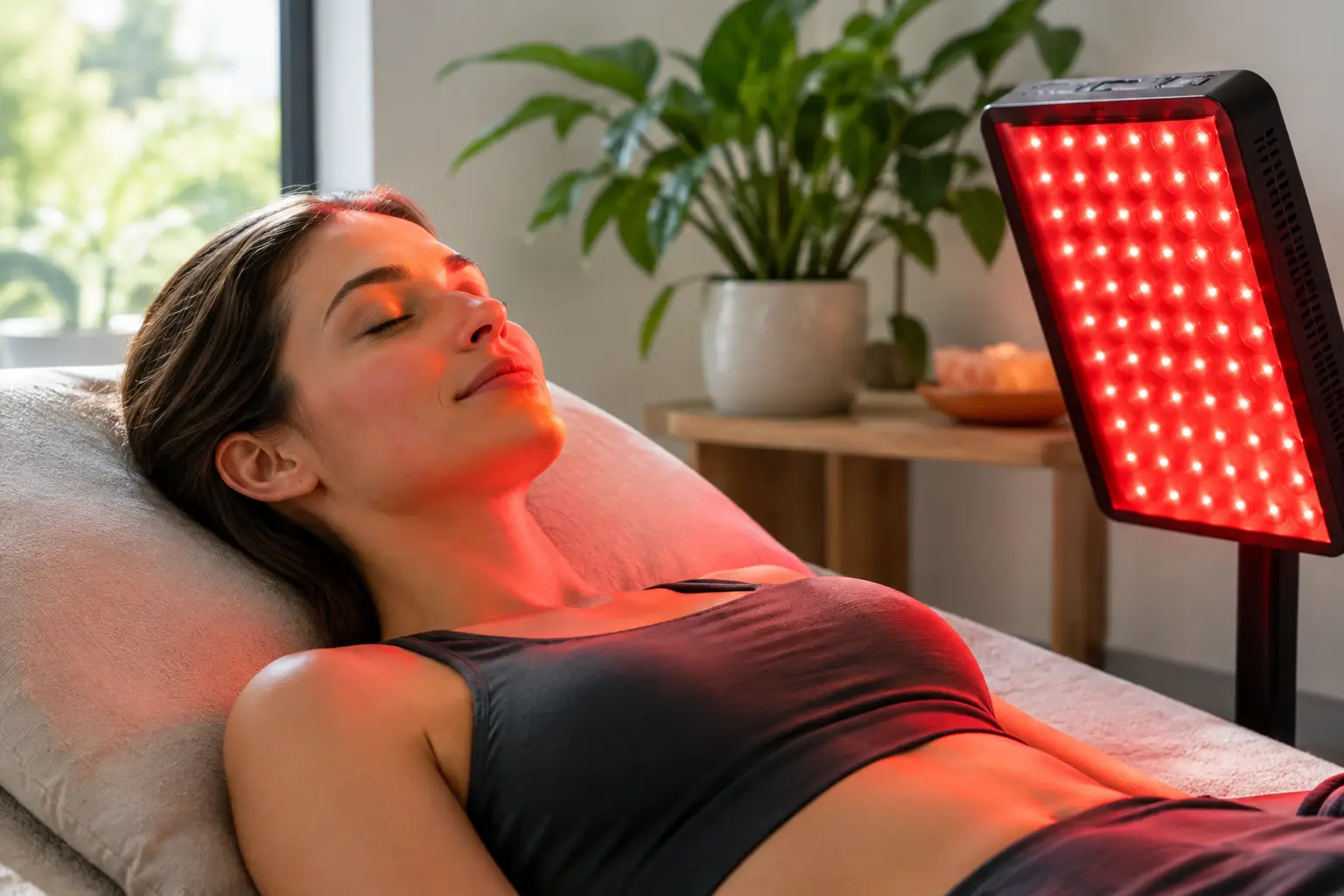
In general, position the light at the distance recommended by the manufacturer, commonly several inches to a few feet away depending on the system. Expose clean, bare skin when possible. Heavy clothing blocks much of the light, while thick creams, sunscreen, or makeup may create an unnecessary barrier for sessions intended for the face or skin.
Start conservatively. For many people, five to 10 minutes per area is an appropriate introduction, then sessions can be adjusted according to device guidance, comfort, and individual goals. More time is not automatically better. Photobiomodulation is not about making the session as intense or as long as possible. It is about delivering an appropriate amount of light consistently.
The light should feel comfortable. Red and near-infrared systems produce a warm, restorative experience, but they should not cause burning, pain, or significant skin irritation. If discomfort occurs, increase your distance, shorten the session, or stop and review the device instructions.
Choose a routine you can repeat
Consistency is usually more valuable than occasional long sessions. A practical rhythm might be three to five sessions per week, depending on the device and your goal. Some people prefer morning exposure to support alertness and a focused start. Others use red light after exercise or in the evening as part of a slower recovery ritual.
The best schedule is the one that fits your real life. A hotel guest may use a session after a long flight. An office professional may take 10 minutes between demanding meetings. A wellness center may incorporate red light into a broader recovery appointment. Each setting calls for a routine that is easy to maintain, not one that adds pressure.
Red Light and Near-Infrared Light: Why Both Matter
Red light is visible, typically appearing in the red portion of the spectrum. It is commonly used in skin-focused routines and for surface-level exposure. Near-infrared light is invisible to the eye and is often included in advanced systems because it reaches deeper into tissue.
Together, these wavelengths are associated with photobiomodulation, a process in which specific light wavelengths interact with cellular components involved in energy production. In everyday terms, this is why red and near-infrared light are used to support recovery, circulation, skin appearance, and post-exercise comfort without invasive procedures or downtime.
The intended outcome determines where you stand and what area you expose. For facial skin support, position the device so the face receives even exposure, while following eye-safety guidance from the manufacturer. For muscle recovery, direct the session toward the worked area, such as the shoulders, back, thighs, or calves. For general relaxation, a larger panel or whole-body setup may be more suitable than treating isolated areas.
When to Use Red Light During the Day
There is no single perfect hour for everyone. Your schedule and response matter more than a rigid rule.
Morning sessions can pair naturally with hydration, light movement, or intentional breathing. This can be especially useful in home and workplace wellness routines where the goal is to create a composed transition into a demanding day. Red light is not a replacement for quality sleep, nutritious food, movement, or clinical care, but it can complement habits that support energy and resilience.
After exercise, red and near-infrared light can be a practical addition to a recovery window. Use it after strength training, running, long travel days, or physically demanding work, particularly when muscles feel tired or tight. The appeal is simple: the session requires little effort at the point when effort is the last thing you want.
Evening use also works well for many people, especially when the light session becomes part of a quiet pre-sleep routine. Keep the overall environment calm. Lower the intensity of bright screens and overhead lighting, and give yourself space to transition out of work mode. If you find any form of light exposure makes you feel more alert, move your red light session earlier in the day.
Create Better Results With Better Setup
A premium red light device deserves a setting that supports the experience. Place it where it can be used without friction: near a training space, in a private bedroom area, within a treatment room, or in a designated recovery corner of an office or hotel suite.
For professional spaces, privacy and simplicity matter. Clients should know where to stand, how long the session lasts, and what outcome the session is designed to support. Clear guidance creates trust and allows the technology to feel accessible rather than overly technical.
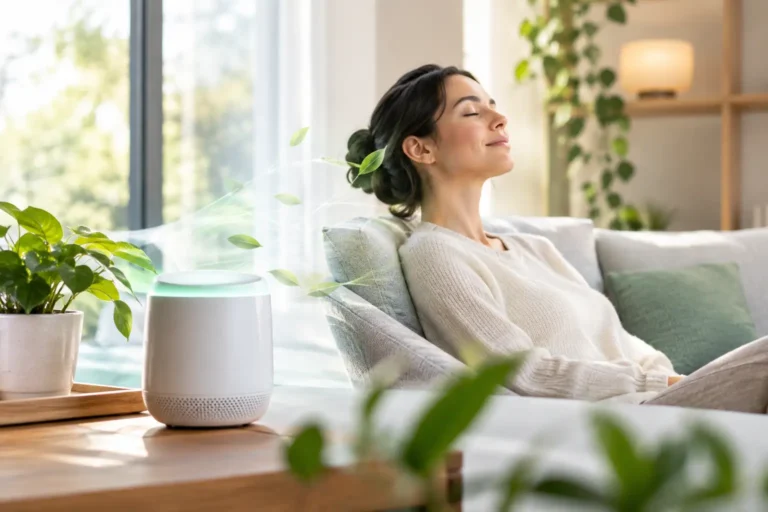
A well-considered wellness environment can deepen the value of red light. Calm air, comfortable temperature, soft acoustics, and a sense of visual order all help turn a short treatment into a more complete recovery moment. This is the principle behind HealthWise: bringing regenerative technology and a healthier surrounding environment together in a way that feels natural, elegant, and practical.
Common Mistakes to Avoid
The most common mistake is inconsistency. Using red light once, then waiting several weeks for another session, makes it difficult to evaluate whether the practice is serving you. Create a reasonable plan and follow it for several weeks before deciding how it fits your wellness routine.
Another mistake is standing too close in the belief that maximum intensity must produce maximum benefit. Follow the stated distance and session duration for your device. The right dose depends on the system, the body area, and the reason for use.
Avoid treating red light as a cure-all. It can support recovery and well-being, but it does not diagnose, treat, or replace care for illness or injury. Persistent pain, unexplained symptoms, severe skin concerns, or sleep problems deserve assessment from a qualified healthcare professional.
Finally, do not overlook eye guidance. Some systems are designed for use without goggles at the recommended distance, while others may advise eye protection. Never stare directly into a bright light source, and always follow the device-specific instructions.
Who Should Take Extra Care?
Red light is generally valued for its non-invasive approach, but certain situations require professional advice first. Speak with a healthcare provider before beginning a routine if you have a photosensitivity condition, take medications that increase sensitivity to light, are receiving treatment for cancer, or have a medical condition affecting the eyes or skin.
People who are pregnant, managing a chronic condition, or using red light as part of rehabilitation should also seek personalized guidance. In a professional wellness setting, this should be part of the intake conversation, not an afterthought.
For families, devices should be used according to manufacturer age guidance and with appropriate supervision. The goal is a calm, beneficial practice, never an unsupervised experiment.
Make Red Light a Ritual, Not a Chore
The strongest wellness practices are often the ones that ask the least from you. Place your red light session beside something you already do: post-workout stretching, a morning glass of water, a shower, or a brief pause after work. That small connection turns good intentions into a habit.
Use the time well. Breathe slowly. Sit quietly. Let your nervous system recognize that recovery has a place in the day. Red light works best when it is approached with realistic expectations, correct use, and steady repetition – a simple investment in how you feel, recover, and show up tomorrow.