After a demanding workout, a long-haul flight, or an intense week of meetings, recovery needs can feel similar: tight muscles, mental fatigue, disrupted sleep, and a body that has not fully reset. Yet photobiomodulation versus massage recovery is not a simple choice between two versions of relaxation. They work through different pathways, deliver different experiences, and can be used strategically together.
For wellness-minded individuals, hospitality leaders, and recovery professionals, the useful question is not which option is universally better. It is which form of support best fits the person, the setting, and the result they want to create.
Photobiomodulation versus massage recovery: the core difference
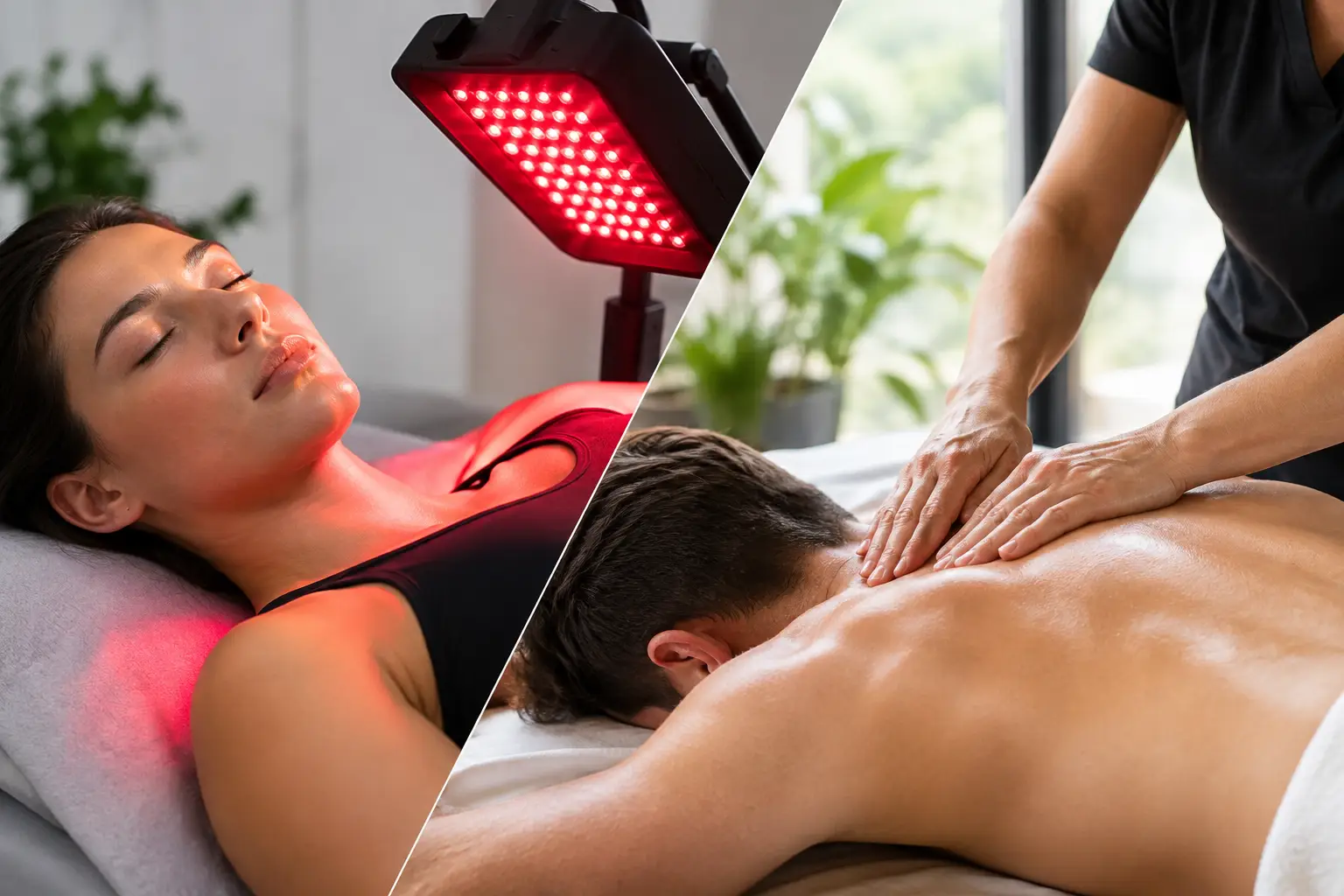
Massage is hands-on mechanical therapy. Through pressure, movement, and touch, a trained practitioner works with soft tissue to reduce the sensation of tightness, encourage relaxation, and help the recipient feel more at ease in their body. The immediate experience is tactile, personal, and often deeply calming.
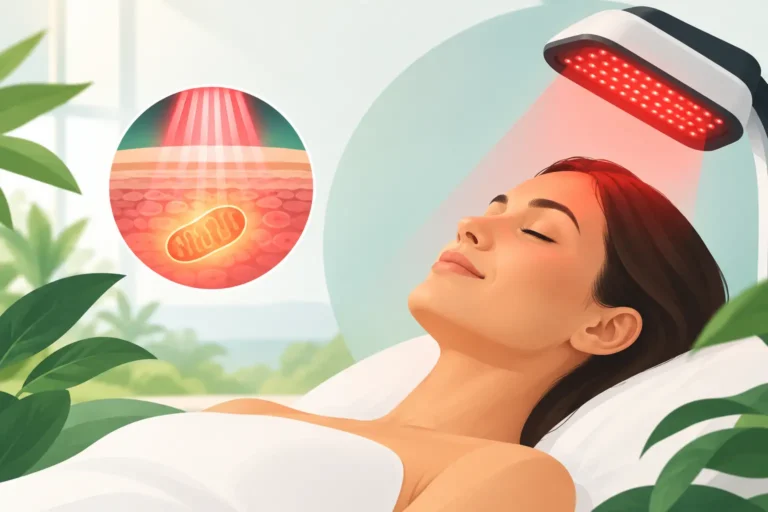
Photobiomodulation, often called red light therapy or near-infrared light therapy, uses specific wavelengths of light to support cellular processes. Red light primarily interacts with more superficial tissue, while near-infrared light can reach deeper. The aim is not to manipulate tissue from the outside, but to support the body’s natural energy and recovery processes at a cellular level.
That distinction matters. Massage is highly dependent on the skill of the therapist, the technique used, and the pressure a person tolerates. Photobiomodulation is non-contact, repeatable, and designed around controlled light delivery. One is an individualized manual service. The other is a technology-based recovery modality that can be integrated into a daily environment.
Neither should be presented as a replacement for medical evaluation, physical therapy, or appropriate care for injury. But for everyday muscle comfort, stress management, and restorative routines, both have a valuable place.
What massage does especially well
Massage has an advantage when someone wants the immediate feeling of being cared for. Human touch can ease the transition from a high-alert state into a calmer one, particularly when the session takes place in a quiet, intentional setting. Many people also appreciate the therapist’s ability to notice areas of tension and adapt the session in real time.
For a guest arriving at a hotel after travel, or a client carrying visible tension through the shoulders and neck, massage can create a powerful sense of release. It also brings an experiential quality that is difficult to replicate with equipment alone. The ritual of setting aside time, receiving focused attention, and leaving with a lighter physical sensation is part of its value.
There are practical limits, however. Massage requires scheduling, trained labor, treatment space, and recovery time between appointments. Some people prefer not to be touched, may feel uncomfortable with deep pressure, or cannot easily fit a full session into a busy day. The results can also vary meaningfully from one therapist and technique to another.
When massage may be the better choice
Massage is often the preferred option when relaxation, personalized touch, and targeted manual work are the priority. It can be especially appealing after prolonged travel, during a spa stay, or when a person simply needs permission to slow down. In professional wellness settings, it remains a high-value service because it offers a human connection alongside physical comfort.
Where photobiomodulation changes the recovery routine
Photobiomodulation offers a different kind of convenience. A session does not require undressing, hands-on treatment, or a therapist’s availability. Depending on the system and protocol, a person can sit or stand comfortably while red and near-infrared light are delivered to the intended areas.
This makes it well suited to consistent use. Recovery is rarely about one exceptional session. It is more often shaped by small, reliable habits: better wind-down routines, regular movement, adequate sleep, and tools that make restoration easier to maintain. Photobiomodulation can fit before or after exercise, during a workday reset, or as part of an evening wellness ritual.
The scientific rationale centers on how certain wavelengths interact with cellular components, including mitochondria, which play a central role in energy production. Research continues to explore the specific applications, doses, and individual responses. In practical terms, users seek photobiomodulation to support muscle recovery, circulation, comfort, and a general sense of restoration without invasive procedures or downtime.
For premium environments, another advantage is consistency. A quality system can deliver the same planned session parameters from one use to the next. That creates a more scalable recovery experience for hotel rooms, fitness studios, rehabilitation-oriented spaces, and private homes.
The importance of dose and quality
More light is not automatically better. Effective photobiomodulation depends on appropriate wavelength ranges, irradiance, distance from the body, session duration, and treatment frequency. A well-designed system makes these factors easier to manage, while poorly specified devices can make meaningful use harder to assess.
This is why technology selection should go beyond the appearance of a red glow. Professional-grade photobiomodulation is about purposeful delivery, user comfort, safety guidance, and a design that invites regular use. For operators, it should also feel intuitive enough to integrate into the guest or client journey without creating a complicated new process.
Choosing based on the recovery goal
A person who wants to decompress after a stressful day may respond beautifully to massage, especially if touch itself feels restorative. Someone training regularly, managing a dense schedule, or looking for frequent support may prefer photobiomodulation because sessions can be shorter and easier to repeat.
The setting matters just as much. In a spa, massage is a signature service that creates a premium, personal moment. In a hotel room, executive lounge, workplace wellness area, or private home, photobiomodulation can provide independent access to recovery at the moment it is needed. It helps turn a room into an environment that actively supports renewal rather than simply offering a place to rest.
Cost structure differs as well. Massage is generally a recurring service expense, with each session tied to professional time. Photobiomodulation involves an initial technology investment but can serve many sessions over time. For hotels, wellness centers, and businesses, that distinction can be significant when designing a recovery offering that is both elevated and operationally practical.
Why combining both can be more effective
The strongest recovery routines do not force every need into one modality. Massage can offer release, relaxation, and individualized attention. Photobiomodulation can add regular, non-invasive support between appointments. Used thoughtfully, they address different dimensions of recovery rather than competing for the same role.
Consider an athlete after a demanding training block. They may schedule massage periodically to address areas that feel especially restricted, while using photobiomodulation consistently as part of their broader recovery rhythm. Or consider a hotel guest on a business trip: a brief light session after travel may support their wind-down routine, while a massage treatment becomes a more indulgent choice when time allows.
This integrated thinking reflects the direction of modern wellness. People want more than isolated treatments. They want environments and routines that make calm, regeneration, and physical readiness more accessible. HealthWise approaches that need by bringing advanced red and near-infrared photobiomodulation into a wider wellness concept designed for modern spaces and daily life.
Practical considerations before choosing
Massage and photobiomodulation are generally approached as supportive wellness practices, not as guarantees or cures. People with a medical condition, unexplained pain, recent surgery, photosensitivity, or medication that affects light sensitivity should consult a qualified healthcare professional before beginning a new protocol. The same applies to persistent symptoms that do not improve with rest.
For massage, communicate openly about pressure, comfort, and any areas to avoid. A good session should feel supportive, not like something to endure. For photobiomodulation, follow the equipment guidance closely, use eye protection when specified, and choose a protocol that matches the device and intended purpose.
The best option is the one a person can use consistently and comfortably. A beautiful wellness routine that only happens twice a year has less everyday value than a simple, enjoyable practice that fits naturally into the week.
Recovery does not need to be dramatic to be meaningful. Whether the answer is skilled hands, purposeful light, or a considered combination of both, the goal is to create more moments in which the body can settle, restore, and feel ready for what comes next.