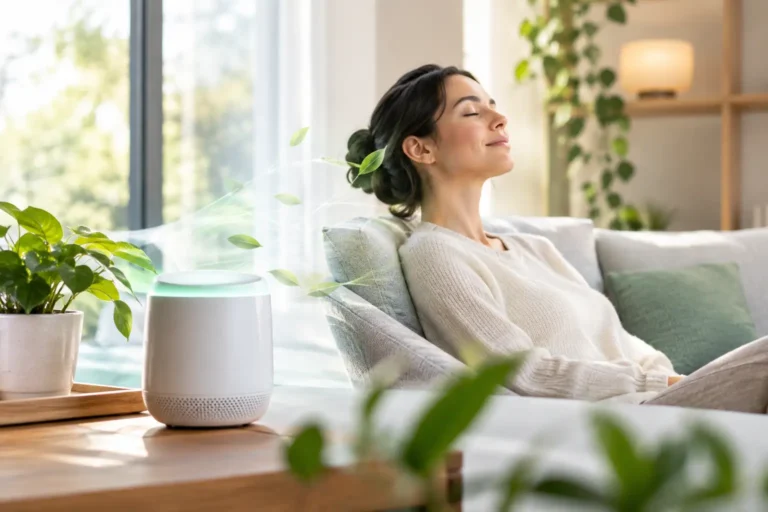

The most valuable square footage in a workplace may no longer be the boardroom. As pressure, screen time, travel, and constant availability shape modern work, corporate recovery space trends are moving beyond decorative lounge areas toward environments designed to help people reset with intention. For employers, hotel operators, and wellness partners, the question is no longer whether recovery belongs at work. It is how to make it credible, accessible, and useful within the flow of a demanding day.
A well-designed recovery space does not ask people to step away from performance. It supports the conditions that make sustained performance possible: calmer nervous systems, clearer attention, more comfortable breathing, and a meaningful pause before fatigue compounds. The strongest concepts combine environmental quality with practical regenerative tools, rather than relying on a single wellness gesture.
Corporate Recovery Space Trends Are Becoming Operational
For years, workplace wellness was often treated as a benefit around the edges of the workday. A gym subsidy, a fruit bowl, or an occasional mindfulness session could signal good intentions, but these measures rarely changed the environment where people spent most of their time.
That model is shifting. Recovery is increasingly viewed as part of operational design, particularly in organizations competing for skilled talent, managing high cognitive workloads, or seeking a more compelling return-to-office experience. Employees notice whether an office helps them feel depleted by 4 p.m. or gives them a realistic way to regain focus between demanding tasks.
This does not mean every business needs a large spa-style installation. The most effective spaces are proportional to the setting. A compact recovery room near a high-pressure trading floor, a quiet regeneration suite in a hotel, or a dedicated wellbeing zone within a rehabilitation center can each serve a clear purpose. What matters is that the space feels intentional, private enough to be restorative, and easy to use without complicated booking procedures.
From Break Rooms to Recovery Environments
The break room was built for convenience: coffee, snacks, a few minutes away from a desk. A recovery environment is built for physiological and mental reset. That distinction is shaping design decisions across premium offices, hospitality settings, and professional wellness facilities.
Instead of bright overhead lighting, visual clutter, and constant conversation, recovery areas are increasingly designed around softer sensory conditions. Comfortable seating, acoustic separation, natural materials, and controlled light support a slower pace. The goal is not to create a place where people disappear for hours. It is to create a reliable setting where 10 to 20 minutes can feel genuinely different from sitting at a workstation.
This is especially relevant for hybrid workplaces. When the office is expected to offer something more valuable than a laptop at home, environmental quality becomes part of its appeal. A thoughtfully designed recovery space gives employees a reason to see the workplace as a resource for health, connection, and better work rhythms.
The shift toward multisensory design
One of the more meaningful corporate recovery space trends is the move away from isolated wellness products and toward integrated experiences. Light, air, sound, comfort, and privacy influence how a space is perceived and used. If one element contradicts the others, the experience can feel performative rather than restorative.
Light is a particularly important consideration. Red and near-infrared photobiomodulation is gaining attention in premium wellness settings as a non-invasive technology that may support regeneration and relaxation routines. When introduced thoughtfully, it can give a recovery space a clear functional identity beyond a quiet chair and a pleasant interior.
Air quality and the felt experience of breathing also matter. Nature-inspired, light-activated air revitalization systems can complement a recovery environment by creating a fresher, more comfortable atmosphere. For users, the value is simple: a space should feel easier to enter, easier to breathe in, and easier to leave feeling reset.
Recovery Must Be Easy to Use
A beautiful wellness room that remains empty is not an amenity. It is an expensive design feature. Adoption is where many corporate wellbeing projects succeed or fail.
The best spaces remove friction. They are located near the daily path of employees or guests, not hidden in a remote corner. Their purpose is immediately clear. A person should know whether the space is intended for a focused 15-minute reset, a post-travel recovery session, or a quiet break between meetings. Clear time guidance helps prevent uncertainty and makes the area feel fair to everyone.
Privacy requires careful balance. Fully enclosed rooms can provide a deeper sense of separation, but they may be harder to schedule and maintain. Open relaxation zones are more visible and approachable, but they can lose their value if exposed to noise or foot traffic. The right model depends on company culture, space constraints, and the type of work being done.
In offices with high confidentiality requirements or intense client-facing activity, enclosed recovery suites may be appropriate. In hospitality, a mobile wellness setup can bring the experience directly into a guest room, allowing recovery to happen on the guest’s own schedule. For smaller organizations, a dedicated, well-equipped quiet room may deliver more value than a larger but less purposeful wellness area.
Evidence, Education, and Trust Matter
Wellness design is under greater scrutiny than ever. Decision-makers need to distinguish between a visually appealing concept and one that aligns with real user needs. Employees and guests are also increasingly informed. They expect clarity about what a technology does, what kind of experience to expect, and how it fits into a healthy routine.
That calls for responsible communication. Recovery spaces should not promise to solve every health concern or replace medical care. Their role is to support everyday wellbeing through non-invasive practices and better environmental conditions. When a company communicates this with confidence and restraint, it builds trust.
Education is part of the experience. A concise explanation of red and near-infrared light, for example, can help users understand why it is included and how to use it appropriately. The same applies to nature-inspired air revitalization. Technical sophistication should translate into practical value: a calmer pause, improved comfort, renewed focus, and a more considered approach to recovery.
For wellness professionals and facility managers, training is equally important. Staff should be able to introduce the space naturally, maintain consistent standards, and answer basic questions without overstating results. This turns the recovery area from a passive installation into a credible service.
Design for Different Recovery Moments
Not every person needs the same kind of reset. Someone preparing for a presentation may need quiet and focus. A frequent traveler may seek relief from a disrupted routine. A hotel guest may want a private evening ritual that supports rest before sleep. A team working through a long project cycle may benefit from short, repeatable moments away from screens.
The most sophisticated recovery spaces acknowledge these different needs. They offer a few clear modes of use rather than one vague promise of relaxation. A morning session may be positioned around preparation and focus. Midday use can support decompression between demanding blocks of work. Late-day use may be quieter, lower-stimulation, and oriented toward transition.
This is where integrated systems have an advantage. Rather than asking users to choose between environmental comfort and regenerative technology, the space can combine both in one coherent experience. HealthWise reflects this direction by bringing Forest Air’s light-activated air revitalization together with Nircura’s red and near-infrared photobiomodulation technology for settings where recovery needs to feel both elevated and practical.
Measuring Value Beyond Attendance
Usage data is useful, but it is not the whole story. A recovery space can be busy because it is convenient, while another may have lower volume but deliver strong value to employees in demanding roles. Evaluation should consider both utilization and experience.
Organizations can look at simple indicators: how often the space is used, whether use is spread across teams, how users rate comfort and ease of access, and whether employees say it helps them return to work with greater focus. In hotels and wellness centers, guest feedback, repeat bookings, and differentiation within a premium offering may be more relevant measures.
There are trade-offs. Advanced technology, high-quality materials, and private rooms require investment. Yet a cheaper solution that feels generic, difficult to access, or poorly maintained may create little meaningful impact. The right approach is not necessarily the largest installation. It is the one that matches the pace, needs, and standards of the people who will use it.
The New Standard Is Intentional Recovery
Corporate recovery spaces are becoming a visible expression of how an organization values human capacity. They signal that focus, rest, and regeneration are not luxuries reserved for weekends or annual leave. They are part of doing good work over time.
The strongest spaces will not feel like an afterthought or a trend-driven perk. They will feel natural within the workplace or guest experience: quiet when people need quiet, technically advanced when it serves a purpose, and simple enough to become a healthy habit. Start with the moments when people most need to recover, then build an environment that makes that pause possible.