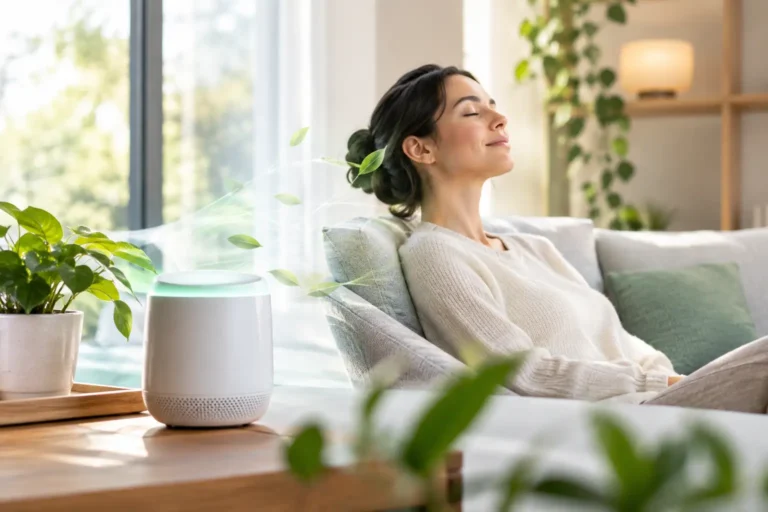

A team can have excellent software, clear goals, and a well-designed office, yet still lose momentum by midafternoon. Often, the missing piece is not another productivity system. It is a place where people can reset their nervous system, breathe more comfortably, and return to work with greater mental clarity. So, can wellness rooms improve productivity? Yes, when they are designed as purposeful recovery environments rather than decorative break rooms.
Can Wellness Rooms Improve Productivity?
Productivity is not simply the ability to work longer. In knowledge-based roles, it depends on attention, decision quality, energy stability, creativity, and the capacity to recover after pressure. A wellness room can support these conditions by giving people a dedicated setting for short, intentional pauses.
The benefit is rarely instant output in the narrow sense of tasks completed per hour. Instead, organizations may see fewer avoidable errors, steadier concentration, better emotional regulation, and a more sustainable pace across the day. For hotels, spas, rehabilitation centers, and premium workplaces, the same principle applies: an environment that supports recovery can improve the quality of the experience people bring to their work, treatment, travel, or daily life.
A wellness room is most effective when it addresses more than appearance. Soft lighting and comfortable seating matter, but the strongest concepts also consider air quality, sensory load, restorative light, privacy, and a simple ritual that makes recovery easy to use.
Why Focus Declines in Ordinary Workspaces
Modern workspaces create a particular kind of fatigue. People may spend hours under artificial lighting, moving between screens, meetings, notifications, and temperature-controlled rooms with little exposure to natural rhythms. Even when the work is not physically demanding, continuous cognitive effort can leave people mentally depleted.
This depletion tends to show up in familiar ways: slower thinking, short tempers, difficulty prioritizing, poor listening, and a tendency to reach for another coffee instead of a genuine break. A lounge with a coffee machine does not necessarily change that pattern. If the room remains bright, noisy, socially demanding, or tied to work conversations, it may offer a change of location without meaningful restoration.
A dedicated wellness space creates a different signal. It tells the body and mind that a brief period of downshifting is permitted. That psychological permission is valuable in cultures where employees feel pressure to appear constantly available.
Recovery is a performance practice
High-performing teams need recovery in the same way athletes do. The comparison should not be overstated, but the underlying principle is useful: stress can be productive in short periods, while unrelieved stress reduces capacity over time.
A 10- to 20-minute break in a calm, thoughtfully designed room may help an employee transition out of a state of overload before it becomes burnout. It will not solve excessive workloads, unclear leadership, or a toxic culture. Those require operational and management changes. But it can become one practical part of a wider strategy for healthier performance.
The Elements That Make a Wellness Room Work
The most successful wellness rooms are not crowded with gadgets. They use a limited number of complementary elements that serve a clear purpose: to help users shift from stimulation toward restoration, then return to activity feeling more centered.
A calmer sensory environment
The room should feel noticeably different from the work floor, guest corridor, or treatment area. Reduced noise, a comfortable temperature, controlled light, and visual simplicity lower unnecessary sensory demand. Privacy is equally important. A person cannot properly reset if they expect colleagues to interrupt them or wonder whether they are being judged for taking a break.
Design should be elegant without becoming precious. Natural materials, uncluttered surfaces, supportive seating, and clear guidance create a premium experience while keeping the room easy to maintain and use.
Nature-inspired air revitalization
How a room feels to breathe in can influence whether people perceive it as restorative. Nature-inspired, light-activated air revitalization is designed to create a fresher, more comfortable indoor atmosphere that supports a sense of ease during recovery periods.
For a busy office or hospitality setting, this matters because wellness is not experienced through one sense alone. The impression of a clean, balanced environment can encourage people to slow down, take fuller breaths, and stay in the space long enough to benefit from the break. It also provides a more distinctive experience than a conventional quiet room.
Red and near-infrared photobiomodulation
Red and near-infrared light technologies, commonly described as photobiomodulation, are increasingly included in recovery-focused wellness settings. These non-invasive sessions are intended to support the body’s natural regenerative processes and can fit naturally into routines focused on relaxation, recovery, and well-being.
For productivity, the value is indirect but meaningful. A person who prioritizes recovery, sleep quality, and stress management is better positioned to sustain focus. Results can vary based on the individual, session protocol, overall health, and lifestyle. Photobiomodulation should therefore be presented as part of a considered wellness routine, not as a replacement for medical care, sleep, movement, or sound workplace practices.
From Attractive Amenity to Everyday Habit
A wellness room only creates value when people use it. This is where many otherwise impressive installations fall short. If staff do not know what the room is for, feel guilty using it, or must reserve it weeks ahead, the space becomes a showroom rather than a working wellness resource.
The most practical approach is to establish a simple rhythm. An employee might use the room for a 15-minute reset after a demanding meeting, before a complex presentation, or during a long shift. A hotel guest may use it to recover from travel. A wellness professional can incorporate it thoughtfully into a broader client experience. The use case should be clear, brief, and compatible with real schedules.
Managers also set the tone. When leaders visibly respect recovery time and measure performance by quality rather than constant presence, the room is more likely to become part of the culture. If leaders treat breaks as lack of commitment, no amount of premium design will overcome that contradiction.
Measuring the Return Without Reducing People to Metrics
Wellness investments deserve evaluation, especially in commercial settings. Yet the measurement should reflect what a wellness room can realistically influence. Expecting it to immediately transform revenue or eliminate absenteeism is neither fair nor useful.
Start with utilization: how often is the room used, at what times, and by whom? Anonymous feedback can reveal whether users feel calmer, more focused, or more able to recover after demanding periods. Workplace leaders can also monitor broader indicators such as employee satisfaction, retention conversations, reported stress, and patterns of short-term absence over time.
For hospitality and wellness operators, the measures may include guest satisfaction, repeat visits, premium package uptake, or the perceived quality of the overall stay. The room should enhance the core experience, not distract from it.
Where Wellness Rooms Deliver the Most Value
A wellness room can be valuable in many settings, but its design should match the environment. In an office, the priority may be mental reset, attention, and stress management. In a hotel, it may be travel recovery and sleep support. In a spa or rehabilitation center, it may complement professionally guided recovery journeys.
The investment is especially relevant where people face sustained cognitive demand, irregular schedules, frequent travel, or emotionally intensive work. It may be less effective in organizations that have not addressed basic issues such as poor ventilation, excessive noise, inadequate staffing, or unreasonable workloads. A wellness room should elevate a healthy operating culture, not mask an unhealthy one.
HealthWise brings this integrated approach into contemporary environments by combining Forest Air’s nature-inspired air revitalization with Nircura’s red and near-infrared photobiomodulation systems. The goal is not to add another isolated device to a room, but to create a coherent setting for breathing, regeneration, and recovery.
A Better Question Than “Will It Raise Output?”
The strongest case for a wellness room is not that people will suddenly work without fatigue. It is that they may have a better place to recover before fatigue turns into poor judgment, disengagement, or prolonged stress. That is a more human standard, and ultimately a more useful business one.
Start with the moments your people need most: after intense meetings, between client appointments, following travel, or before an important decision. Design the room around those moments, make access feel normal, and let recovery become a respected part of how good work gets done.