
A guest arrives at a hotel after a delayed flight. An executive finishes a day of back-to-back calls. A client enters a recovery studio feeling overstimulated and depleted. In each case, the practitioner’s value is not simply providing a pleasant setting. It is knowing how to shape a wellness experience with purpose, appropriate technology, and clear professional boundaries. That is what meaningful wellness practitioner training should develop.
The market has moved beyond generic relaxation. Clients, hotel guests, and workplace decision-makers increasingly expect wellness environments to support stress management, sleep routines, recovery, focus, and everyday vitality. They also expect practitioners to explain what an experience is designed to do without making promises that exceed the evidence or their scope of practice.
For wellness professionals, this creates a valuable opportunity. The right education turns advanced wellness tools into a coherent service model – one that feels natural to the client, is practical for the operator, and reflects a high standard of care.
What wellness practitioner training should teach
A credible program begins with the person, not the device. Practitioners need a working understanding of how stress, sleep disruption, sedentary routines, travel, demanding work, and environmental discomfort can affect a client’s sense of well-being. This does not require diagnosing illness. It means learning to listen carefully, identify the client’s goals, and recognize when a wellness service is appropriate and when referral to a licensed medical professional is necessary.
From there, training should connect wellness principles with the physical environment. Light, air quality, temperature, sound, timing, comfort, and privacy all influence whether a client can truly settle into a recovery-focused experience. A premium wellness room should not feel like a collection of unrelated equipment. It should feel intentional from the moment a guest enters.
Training is especially valuable when it helps practitioners translate technical language into useful human language. A client does not need a lecture on wavelengths or complex biological pathways. They need a clear explanation: this session is designed as a non-invasive part of a recovery routine, with settings and timing selected for comfort, consistency, and your stated goals.
Understanding photobiomodulation in practice
Red and near-infrared photobiomodulation is a central area of study for professionals working with modern regenerative wellness systems. Training should cover the fundamentals: the distinction between red and near-infrared light, the importance of session parameters, the role of distance and exposure time, and the need to follow manufacturer protocols.
It should also teach restraint. Photobiomodulation can be positioned as a supportive wellness modality, not as a substitute for medical treatment. Individual responses, goals, and contraindications vary. A thoughtful practitioner asks relevant intake questions, encourages clients to consult their clinician where appropriate, and never presents a wellness session as a cure.
This balance builds confidence. Clients are more likely to trust a professional who can explain both the potential role of a technology and the limits of what it can responsibly claim.
Designing environments that support recovery
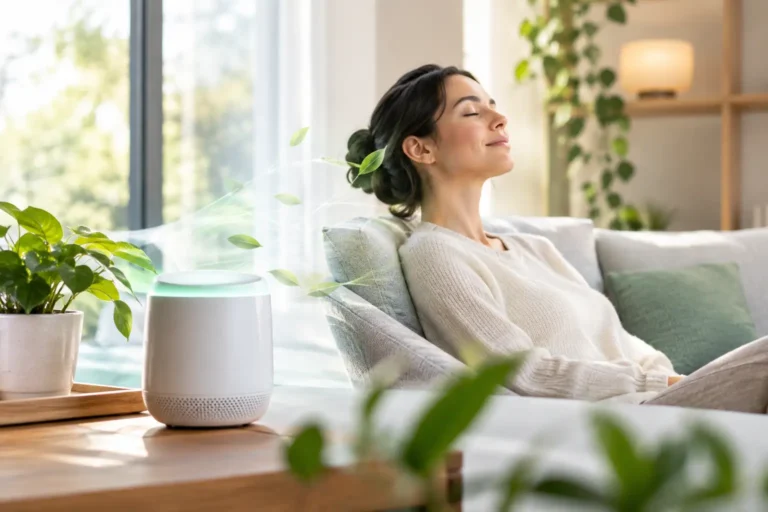
Wellness is not only what happens during a session. It is also how the surroundings guide the nervous system toward calm. Nature-inspired air revitalization, considered lighting, uncluttered design, and a quiet transition into the experience can make a session feel more complete.
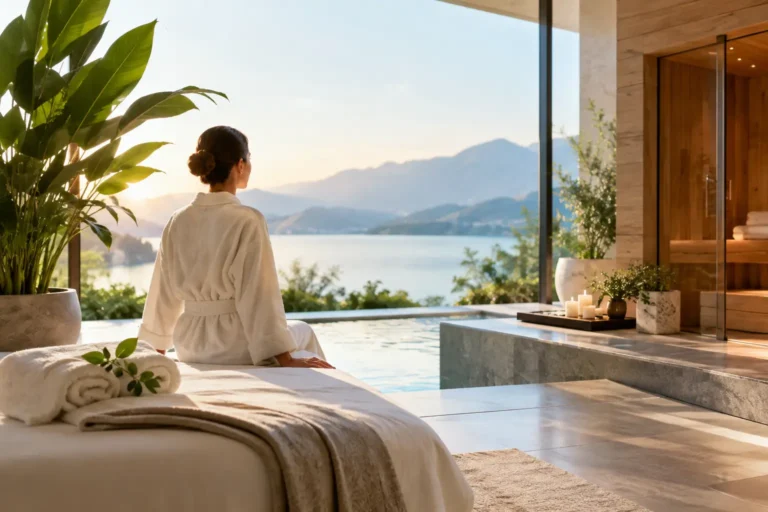
For a hotel, this may mean offering a restorative in-room ritual that helps guests decompress after travel or prepare for sleep. In a spa or rehabilitation setting, it may mean creating a dedicated recovery space that complements existing services. In an office, it may mean a short, structured reset for teams whose work demands prolonged focus and frequent decision-making.
The strongest practitioners learn to adapt the environment without overcomplicating it. A five-minute consultation, a consistent protocol, and a calm explanation often create more value than an overly elaborate experience with no clear purpose.
The business skills behind a trusted wellness practice
Technical knowledge alone does not create a successful wellness offering. Practitioner training should also prepare professionals to operate with consistency, discretion, and commercial clarity.
An intake process is one example. It should be concise enough to respect a guest’s time, yet thorough enough to establish goals, note relevant considerations, and obtain informed consent. A hotel guest may be looking for relaxation after a demanding journey, while a recurring studio client may be building a regular recovery routine. The conversation should reflect that difference.
Training should also cover documentation, hygiene procedures, equipment care, and escalation protocols. These operational details may be less glamorous than the technology itself, but they determine whether a premium concept delivers a premium experience every day.
Communication matters just as much. Avoid vague phrases such as “detox” or promises of dramatic transformation. Instead, use language grounded in the service: support for relaxation, recovery routines, a calmer transition toward rest, or a focused moment away from daily demands. Clear language protects the client and strengthens the brand.
For business owners, training can create a more scalable model. When every practitioner follows the same intake principles, session protocols, safety checks, and communication standards, the client experience becomes more reliable across locations and teams.
Choosing the right wellness practitioner training program
Not every course is designed for the same professional role. A therapist expanding an established practice, a hotel wellness manager, and a spa owner training a team will each need a different depth of knowledge. The right choice depends on the setting, the technologies being used, the level of client contact, and the operator’s responsibilities.
Look for training that combines scientific literacy with real-world application. It should explain why a protocol exists, not just provide a script to memorize. It should include client scenarios, equipment orientation, safety guidance, and communication standards. Most importantly, it should make scope of practice explicit.
A useful program also addresses integration. How does the service fit into a 30-minute appointment? How can a hotel team introduce it elegantly without making medical claims? What does maintenance look like? How should a practitioner respond when a client asks a question outside their expertise? These are the questions that determine whether training becomes a usable business capability.
HealthWise approaches this opportunity by bringing together nature-inspired air revitalization and red and near-infrared photobiomodulation within one integrated wellness concept. For partners, the value of education is not simply learning two technologies. It is learning how to create one clear, elevated experience around breathing, regeneration, and recovery.
Questions practitioners should be able to answer
By the end of training, a professional should be able to explain the intended purpose of each session in plain language. They should know how to prepare the space, guide a client through the experience, follow established use protocols, and identify situations that require extra caution or professional referral.
They should also be able to answer practical questions with confidence: How often can this be part of a wellness routine? What does the client need to do during the session? What sensations are typical? What should they do if they feel uncomfortable? The answers may differ by technology, protocol, and individual circumstances, which is precisely why education matters.
From a service to a complete wellness experience
The future of wellness practice belongs to professionals who can connect science, atmosphere, and human care. The technology may attract initial interest, but the practitioner creates the trust that brings clients back.
That trust grows when the experience is simple, informed, and consistent. A guest should leave feeling that their time was respected, their goals were heard, and the environment was designed for more than appearance. Whether the setting is a hotel suite, a private residence, a spa, or a workplace, wellness practitioner training gives professionals the foundation to make regenerative care feel both elevated and genuinely useful.
The best next step is not to add more complexity. It is to build the knowledge that allows every light setting, breath of revitalized air, and moment of quiet to serve a clear purpose.