European hotel recovery amenities have moved beyond a bathrobe, a minibar, and a late checkout. For a guest arriving after a long-haul flight, a demanding meeting schedule, or days of rail travel, the real luxury is waking up feeling restored. Hotels that create conditions for calmer breathing, deeper rest, and an intentional recovery ritual are responding to a clear shift in guest expectations.
This is not about turning every room into a medical setting. It is about designing a refined, practical environment that helps guests transition from overstimulation to recovery. The strongest concepts combine sleep comfort, sensory calm, supportive air environments, and evidence-informed wellness technology in a way that feels natural rather than complicated.
Why recovery has become a hotel differentiator
Travel can disrupt the routines that normally protect energy and well-being. Guests contend with unfamiliar rooms, dry indoor environments, late meals, screen exposure, time-zone changes, and the pressure to be productive immediately. A beautiful room may create a memorable first impression, but its value increases when it also supports how the guest feels the next morning.
This is particularly relevant for premium urban hotels, airport properties, wellness resorts, and business-focused accommodations. Their guests may be paying for convenience, but they are also paying to arrive prepared for what comes next: a presentation, a family holiday, a training session, or simply a return to daily life with more energy.
Recovery amenities also serve a commercial purpose. They give a hotel a meaningful story beyond room size or location, help distinguish higher-category rooms, and create a reason for guests to return. The most credible approach avoids exaggerated promises. Instead, it communicates a thoughtful environment designed around comfort, rest, and non-invasive wellness support.
The European hotel recovery amenities guests notice
The best recovery experience begins with fundamentals that guests can feel immediately. A high-quality mattress, supportive pillows, effective blackout options, a quiet room, and intuitive temperature control remain essential. No advanced feature can compensate for poor sleep basics.
From there, hotels can add layers that make rest more intentional. Circadian-aware lighting, for example, can support a gentler evening atmosphere and a brighter, more alert-feeling morning routine. Warm, low-glare light near bedtime reduces the visual intensity of a typical hotel room, while clear controls prevent the technology from becoming another source of frustration.
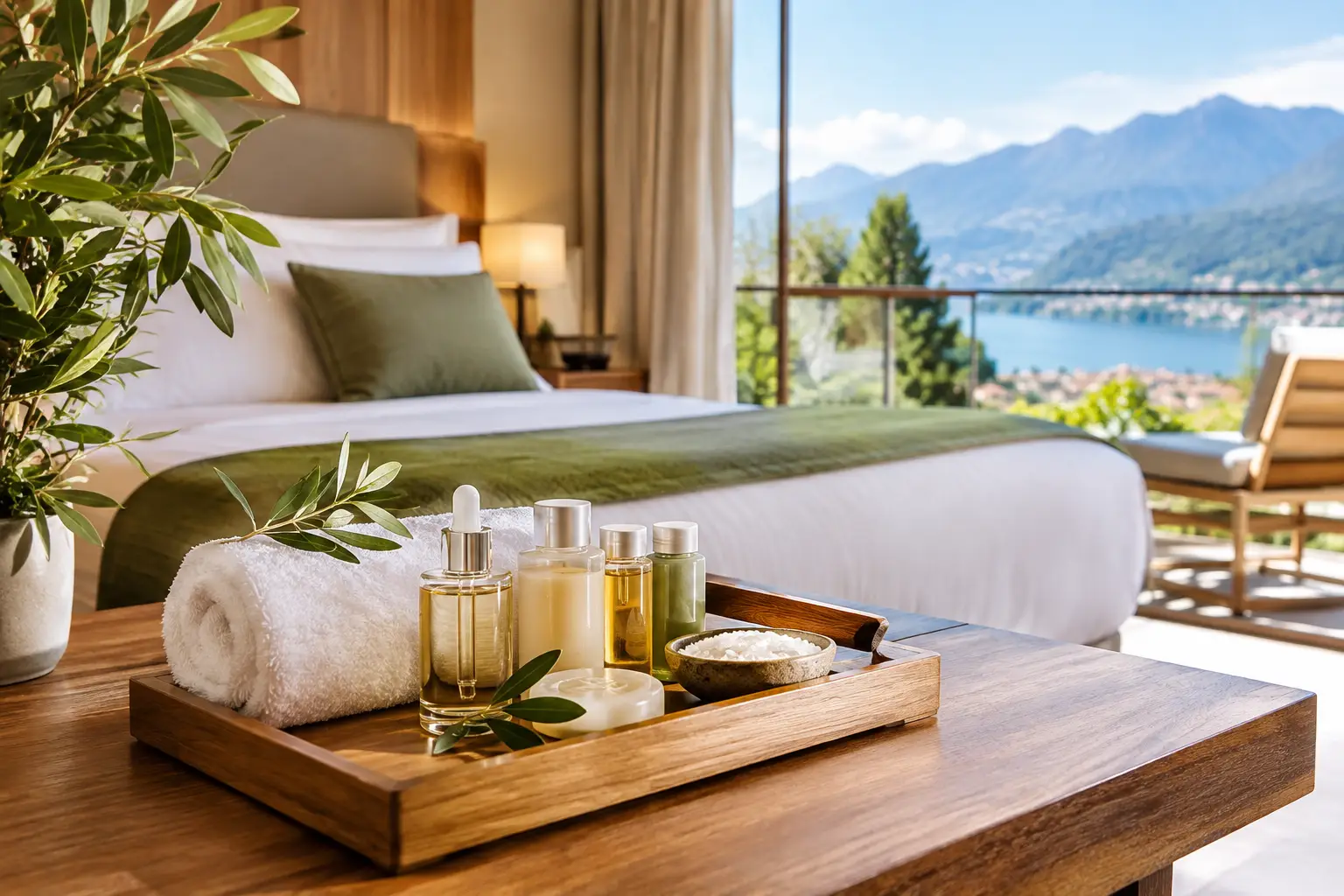
Bathrooms are another important recovery zone. Spacious showers, soaking options where possible, soft towels, quality hydration, and calming personal-care products make a difference because they encourage guests to slow down. These details do not need to be extravagant. They need to be considered, clean, and easy to use after a demanding day.
A recovery-focused room can also include a small movement area, a yoga mat, guided breathwork available through the in-room system, or a simple sleep menu. The goal is choice without clutter. Guests should not have to read a manual or download several apps to use the room well.
Air as part of the guest experience
Guests may not always describe air as an amenity, but they notice the difference between a room that feels stale and one that feels fresh, comfortable, and inviting. For hotels, the indoor environment deserves the same design attention given to bedding, acoustics, and lighting.
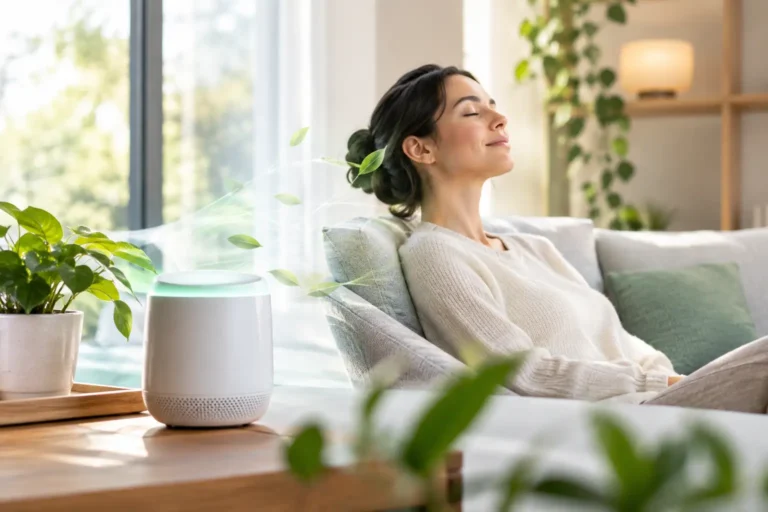
Nature-inspired air revitalization can add a distinctive dimension to the room experience. Forest Air’s light-activated air breathing concept is designed around the restorative association many people feel in natural environments. Integrated thoughtfully, it supports a room narrative centered on pause, breathing, and renewal rather than a purely technical feature list.
The language matters. Hotels should present these systems as part of a considered wellness environment, not as a substitute for medical care or a cure for respiratory conditions. Clear, responsible communication builds more trust than ambitious health claims.
Light-based recovery without the spa appointment
Guests often want the benefits of a wellness ritual but do not have time for a scheduled treatment. This is where red and near-infrared photobiomodulation can be relevant. When offered through professional-grade systems with clear instructions, it gives guests an accessible, non-invasive option to incorporate light-based recovery into their stay.
Photobiomodulation is commonly discussed in wellness settings for its potential role in supporting recovery, relaxation, and everyday vitality. A hotel should be equally clear about its limits: individual responses vary, and guests with health concerns should follow product guidance and consult a qualified clinician when appropriate.
Placement matters as much as the device itself. A red and near-infrared session can work well in a dedicated recovery suite, executive lounge, private spa area, or selected premium room category. In-room use offers privacy and convenience, while a shared wellness area may allow a hotel to provide a more guided experience with trained staff.
How to build a credible recovery room concept
The temptation is to add several wellness products and call the room restorative. That can produce visual clutter and a confusing guest journey. A better approach is to begin with one guest profile and one moment of need.
A business hotel may focus on the traveler who arrives late, needs to decompress quickly, and must be focused the following morning. A resort may serve guests seeking a slower evening routine after activity outdoors. A rehabilitation or spa property may prioritize visitors who value gentle, non-invasive support alongside professional care. Each setting calls for a different balance of privacy, guidance, and technology.
Start by defining the room ritual. It might be as simple as a 20-minute arrival sequence: adjust the room lighting, hydrate, shower, spend quiet time with a light-based wellness system, and prepare the sleep environment. When the experience is coherent, guests understand its value without being instructed at every step.
Operational design is just as important. Housekeeping teams need simple cleaning protocols. Front-desk and guest-relations staff need confident, compliant language. The technology must be durable, visually aligned with the room, and supported by training. If a feature is difficult to explain or maintain, it will rarely deliver the return on investment the hotel expects.
HealthWise approaches this opportunity as an integrated wellness environment. By bringing together Forest Air’s nature-inspired air revitalization with Nircura red and near-infrared photobiomodulation systems, the concept is designed to make recovery feel elegant, approachable, and useful in a hotel room or professional wellness setting.
What hotels should avoid
Recovery amenities lose credibility when they are marketed as a cure for jet lag, stress, insomnia, or illness. Guests are increasingly discerning, and wellness claims need to be proportionate to the evidence and the setting. Focus on the experience: a calmer environment, a more intentional routine, and access to non-invasive tools that may support relaxation and recovery.
Hotels should also avoid hiding the wellness value behind complex interfaces. A guest who must navigate multiple remotes, QR codes, and conflicting instructions will likely abandon the feature. Keep controls visible, instructions brief, and staff knowledge practical.
Finally, do not treat wellness as a decorative theme. A living-wall image, a scented candle, and a generic playlist may create atmosphere, but they are not a recovery strategy. The room needs to work as a system, with sleep, air, light, comfort, and guest behavior considered together.
Recovery is becoming part of hospitality’s new standard
European hotel recovery amenities are most valuable when they respect the reality of travel: people arrive tired, overstimulated, and short on time. A well-designed recovery room does not ask guests to become wellness experts. It gives them a quiet, intuitive way to care for themselves between everything else they came to do.
For hotels, that is a powerful promise. Create the conditions for guests to leave feeling better than when they arrived, and the room becomes more than a place to sleep. It becomes part of why they chose the property in the first place.