
A bedroom that feels stale after one closed-door night, a hotel room that never quite feels restorative, or an office where afternoon fatigue arrives early all point to the same overlooked factor: the environment is part of the wellness routine. This guide to respiratory wellness spaces explains how to design interiors that make breathing feel more comfortable while supporting calm, recovery, and daily focus.
A respiratory wellness space is not defined by a single device or a spa-like aesthetic. It is a considered environment where air quality, light, materials, temperature, humidity, and recovery rituals work together. The result should feel natural and elegant, not clinical or complicated.
What Makes a Respiratory Wellness Space Different?
Most interiors are planned for visual impact and basic comfort. A respiratory wellness space begins with a more useful question: does this room support the way people need to feel while they are in it?
For a family, that may mean creating a quieter bedroom routine during allergy season or after demanding workdays. For a hotel, it may mean offering guests a more memorable recovery experience without turning the room into a treatment facility. In offices, rehabilitation centers, and wellness studios, the priority may be supporting concentration, comfort, and a calmer pace between meetings or appointments.
The goal is not to make medical promises. Respiratory symptoms can have many causes, and persistent breathing concerns deserve professional medical attention. The practical opportunity is to reduce avoidable environmental strain and create a setting that encourages slower, more intentional breathing and better rest.
Guide to Respiratory Wellness Spaces: Start With the Air
Air is the foundation, but it should be approached as a whole-room experience rather than a technical afterthought. Fresh-air exchange, appropriate humidity, temperature stability, and thoughtful cleaning practices all influence how a room feels over time.
Humidity deserves particular attention. Air that is too dry can feel harsh on the nose and throat, especially during heating season. Air that is too humid can make a space feel heavy and can contribute to moisture-related problems if the building is not managed well. The right range depends on climate, occupancy, building design, and ventilation, so consistency matters more than chasing a universal number.
Begin by observing the room at its busiest and least comfortable times. Does it become stuffy after sleep? Does it feel different after cleaning, cooking, or a full day of meetings? Are there noticeable temperature swings near windows, vents, or exterior walls? These details reveal where the environment needs attention.
For hospitality and professional settings, maintenance matters as much as design. Ventilation components, fabrics, moisture-prone areas, and room-turnover procedures should be reviewed regularly. A premium wellness experience loses credibility when the space smells overly fragranced, feels overheated, or shows signs of dampness.
Choose low-sensory materials and finishes
A respiratory wellness room should not compete for attention. Strongly scented candles, sprays, detergents, and decorative materials with lingering chemical odors can be distracting for guests and uncomfortable for sensitive individuals. Unscented or lightly scented choices are usually more versatile, especially in shared environments.
Favor materials that are easy to clean and maintain. Washable textiles, controlled use of upholstery, and surfaces that do not trap unnecessary dust can make daily care simpler. This does not mean every room must look minimal. Texture, warm woods, natural fibers, and layered fabrics can still create a sense of luxury when they are selected with maintenance in mind.
Build a Room That Encourages Better Breathing Habits
People tend to breathe more shallowly when they are rushing, working under pressure, or surrounded by visual noise. The design of a room cannot solve stress on its own, but it can reduce friction around restorative habits.
Create one clear place to pause. In a home, it may be a chair near natural light, away from the desk and television. In a hotel room, it may be a small recovery corner with supportive seating, soft lighting, and simple guidance for a five-minute wind-down. In a clinic or wellness studio, it may be a dedicated transition zone where clients can settle before and after a session.
Light should support the room’s purpose. Bright, cool-toned light can suit task-focused areas during the day, while warmer, lower-intensity light is generally better suited to evening rest. Daylight remains valuable wherever possible, but it needs control. Glare, excessive heat, and a lack of privacy can quickly turn a promising window into a source of discomfort.
Sound also affects breathing patterns more than many design plans acknowledge. Persistent mechanical noise, television audio from neighboring rooms, or reverberation in open office settings can keep the nervous system on alert. Use soft furnishings, thoughtful layouts, door seals, and quieter operating equipment where possible. The objective is not silence. It is freedom from unnecessary interruption.
Add Recovery Technology With a Clear Role
Technology has a place in respiratory wellness spaces when it is integrated with purpose. It should enhance the environment, be easy to use, and fit naturally into the guest or user journey. An impressive-looking system that requires complex instructions is unlikely to become part of a consistent routine.
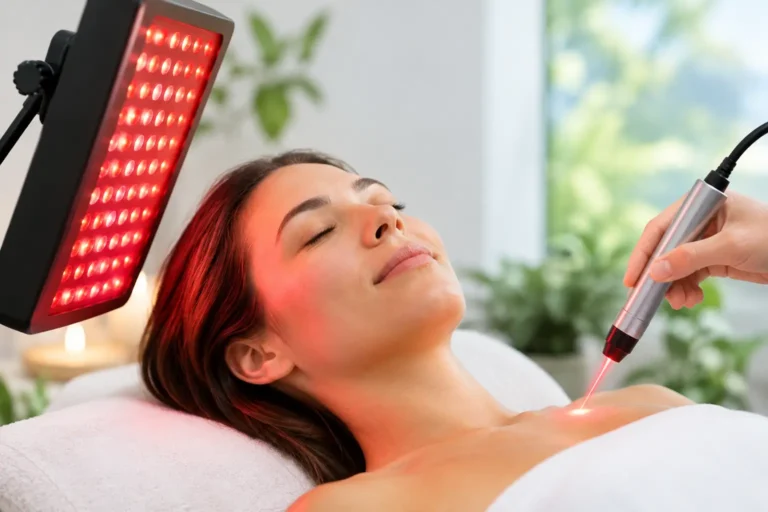
Light-activated air revitalization technologies can form part of an environment designed around freshness and comfort. Red and near-infrared photobiomodulation systems can complement a broader recovery routine by bringing non-invasive light-based wellness into the same space. These are distinct approaches, but they become more meaningful when the room itself supports calm, hydration, rest, and regular use.
HealthWise brings these principles together through Forest Air’s nature-inspired, light-activated air revitalization and Nircura’s red and near-infrared photobiomodulation systems. The value of this integrated approach is not gadget density. It is the ability to create a cohesive wellness setting for hotel rooms, private homes, workplaces, and professional recovery environments.
Placement is crucial. Recovery technology should have adequate space around it, clear instructions, and a visually calm setting. In a hotel, the user should understand its purpose within seconds. In a wellness center, staff should be trained to explain how it fits into the wider client experience. At home, the system should support a realistic rhythm, not become another task on a crowded checklist.
Design for the Setting, Not a Generic Ideal
A respiratory wellness space should change according to who uses it and why.
In a bedroom, prioritize nighttime comfort. Keep the visual field quiet, minimize harsh light, regulate temperature, and choose bedding and fabrics that can be cleaned consistently. The room should signal that the day is ending.
In a hotel, the emphasis is on intuitive recovery. Guests may arrive after flights, long drives, meetings, or disrupted schedules. A well-designed room gives them a simple path to decompress: comfortable air, softer evening lighting, a clean sensory profile, and an optional wellness ritual that requires little effort.
In an office, the design challenge is different. Workers need alertness as well as calm. Focus on fresh-feeling shared spaces, stable temperatures, access to daylight, and small recovery areas where people can step away briefly without feeling conspicuous. A space that helps employees reset can support better concentration and more considered communication.
In a spa, rehabilitation center, or private practice, environmental consistency strengthens trust. Clients notice whether the room feels cared for. Clear protocols for cleaning, air management, linens, lighting, and staff guidance turn wellness from a marketing statement into a credible experience.
Measure What You Can, Then Listen to the Room
Wellness design benefits from data, but numbers should guide judgment rather than replace it. Environmental sensors can help track conditions such as temperature, humidity, and carbon dioxide levels. Staff feedback, guest comments, sleep-quality observations, and repeat-use patterns add another layer of insight.
Avoid changing everything at once. Adjust one variable, allow time to observe the result, and document what improves or creates new problems. For example, a lower room temperature may support sleep for some guests but feel uncomfortable for others. More natural materials may elevate the atmosphere but require a stronger cleaning plan. Good wellness spaces are refined over time.
The most successful respiratory wellness spaces do not announce themselves loudly. They simply make people want to stay a little longer, breathe a little more slowly, and return to their day feeling more restored.