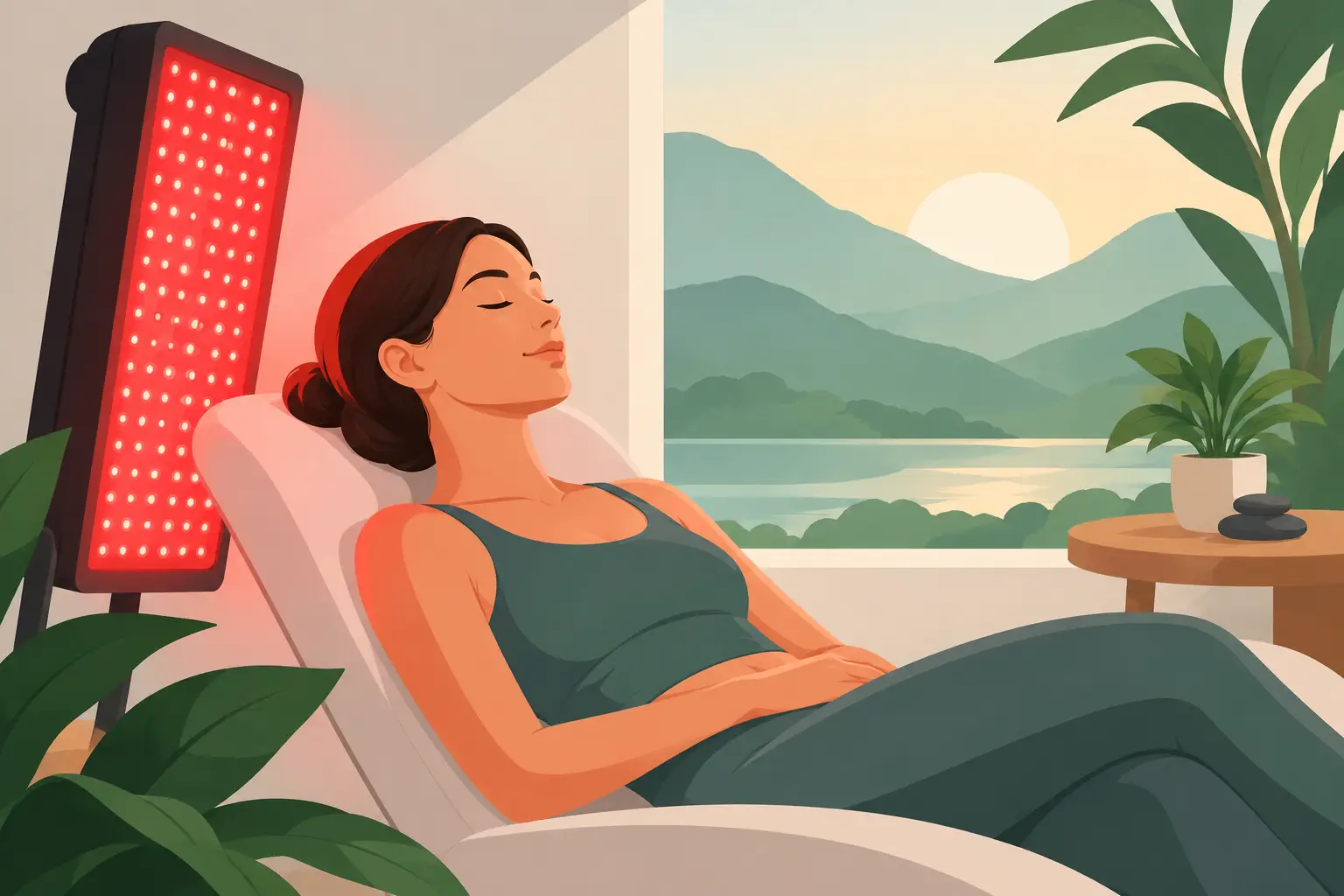
A red light session should feel restorative, not uncertain. The most effective approach is rarely the longest or most intense one. Red light safety begins with understanding that photobiomodulation is a dose-based practice: the right light, delivered at the right distance and duration, can support recovery without turning a wellness ritual into an unnecessary risk.
For homes, hotel wellness spaces, rehabilitation settings, and professional studios, this matters even more. A premium wellness environment should make healthy routines easier to follow, with clear guidance built into the experience.
What Red Light Safety Actually Means
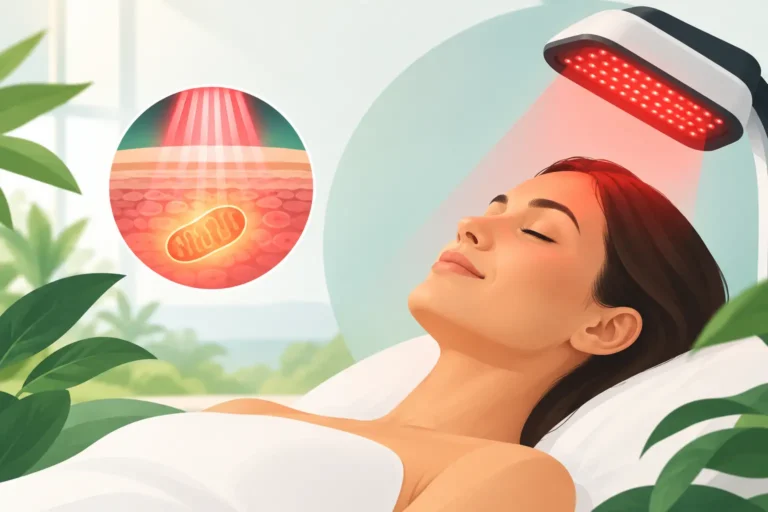
Red and near-infrared light devices use specific wavelengths of light to support photobiomodulation, a non-invasive process studied for its potential role in cellular energy production, circulation, tissue recovery, and inflammation management. Red light generally works closer to the skin’s surface, while near-infrared light reaches deeper tissues and is invisible to the human eye.
Safety is not simply a question of whether light is “good” or “bad.” It depends on the device, its output, the treatment area, your health history, and how consistently you follow its instructions. A well-designed session is typically comfortable. You may notice gentle warmth with some systems, but pain, burning, significant redness, or eye discomfort are signals to stop and reassess.
The central principle is straightforward: more is not always better. Photobiomodulation is often described as having a biphasic dose response. Too little exposure may not create a noticeable effect, while excessive exposure may reduce the benefit or irritate sensitive skin. Consistency at an appropriate dose is usually more valuable than chasing an intense session.
Choose a Device Built for Responsible Use
Not all red light devices are made to the same standard. Color alone is not a meaningful measure of quality. A device should clearly state its wavelengths, recommended treatment distance, session duration, and operating instructions. These details make it possible to use the system with intention rather than guesswork.
Look for transparent information about irradiance, which describes the light power reaching the body over a given area. Higher output can be useful, especially for larger treatment areas or deeper tissues, but it also means session time and distance need to be controlled carefully. A powerful panel used too close for too long is not automatically more effective.
Professional-grade systems should also have sound electrical construction, stable mounting or positioning, ventilation where needed, and controls that make timing simple. In shared settings such as hotels, spas, and recovery centers, intuitive operation protects both the guest experience and the consistency of the protocol.
Nircura red and near-infrared systems are designed around this principle: advanced technology should feel clear, calm, and practical in everyday use. The value is not in making a treatment feel complicated. It is in creating a reliable recovery ritual people can repeat with confidence.
Follow the Recommended Distance and Time
The distance between your body and the device changes the delivered dose. Moving closer generally increases intensity, while moving farther away lowers it. Start with the distance and session length provided by the manufacturer, especially when using a new system or treating a sensitive area.
For many users, shorter sessions several times per week are a sensible introduction. Give your body time to respond before increasing duration or frequency. Keep a simple record of sessions if you are using red light for a specific goal such as post-exercise recovery, skin support, or managing everyday muscle tension. This helps identify what feels beneficial without relying on guesswork.
Do not fall asleep during a session. Timers are helpful, but active awareness is better. A controlled routine is part of responsible wellness practice.
Eye Protection Deserves Special Attention
Eye comfort is one of the most common concerns around red light safety. Red light may feel bright, and near-infrared light cannot be seen even though it is still being emitted. Whether eye protection is required depends on the device design, intensity, intended use, and manufacturer instructions.
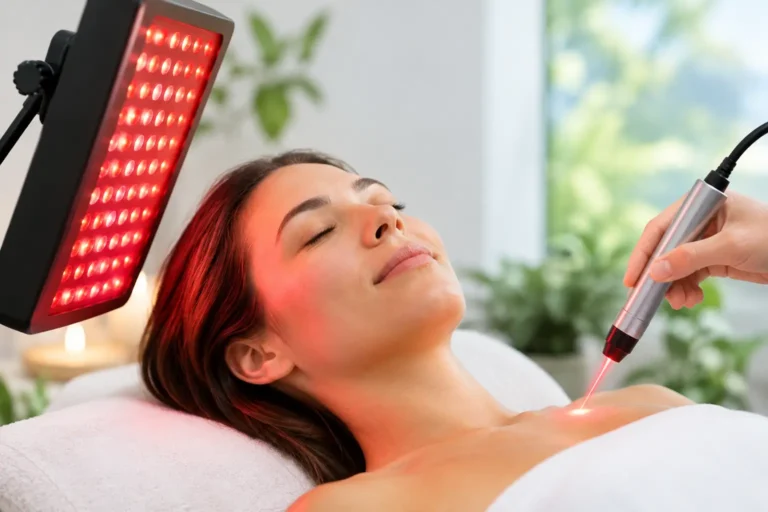
Do not stare directly into LEDs or other light emitters at close range. If the treatment area is the face, use the protective eyewear supplied or specified for the system when recommended. Closing your eyes is not always an adequate substitute for proper protection, particularly with stronger devices or longer sessions.
This point deserves added care for people with existing eye conditions, recent eye surgery, retinal concerns, or medications that affect light sensitivity. A qualified eye care professional can provide personal guidance when there is any uncertainty.
Avoid Improvised Protective Gear
Regular sunglasses are not automatically suitable for red or near-infrared devices. Their tint may reduce visible brightness without providing protection appropriate to the wavelengths or output of a particular system. Use eyewear designed for the device or follow the device-specific instructions exactly.
In commercial wellness spaces, clean and properly stored protective eyewear should be part of the service standard. It is a small operational detail that communicates serious care for guests and clients.
When to Pause and Ask a Clinician
Red light therapy is non-invasive, but non-invasive does not mean universally appropriate. Speak with a physician or qualified healthcare professional before beginning sessions if you are pregnant, managing a medical condition, or receiving active treatment for a serious illness. Research and guidance can vary by condition, and personalized advice matters.
Extra caution is appropriate if you have a history of photosensitivity, lupus or other light-sensitive conditions, unexplained rashes, or skin lesions that have not been evaluated. People using medications or topical products that can increase sensitivity to light should also seek medical guidance. This can include certain antibiotics, acne treatments, diuretics, and medications used for other conditions.
Do not use red or near-infrared light directly over a suspicious lesion or an area of known cancer unless your oncology team has specifically approved it. The same careful approach applies after surgery, during acute injury, or when treating an area with altered sensation. A lack of normal sensation can make it harder to notice excessive warmth or irritation.
For children, use should be supervised and based on guidance from a pediatric clinician. For anyone with a seizure disorder, discuss the use of pulsed-light devices with a healthcare professional before treatment.
Build a Calm, Repeatable Session
The safest routine is usually the simplest one. Start with clean, dry skin and avoid applying potentially irritating products immediately before a session unless their use has been approved for that purpose. Position the device securely, set the recommended timer, and stay within the intended distance range.
Remove reflective jewelry from the treatment area if it becomes warm or uncomfortable. Never use a damaged device, frayed cable, unstable stand, or system exposed to moisture outside its approved operating conditions. In a spa, hotel room, or workplace wellness setting, staff should inspect equipment regularly and provide concise user instructions rather than assuming guests understand the technology.
After a session, check how your skin and eyes feel. Mild, temporary warmth may be normal depending on the device. Persistent redness, discomfort, headache, dizziness, or visual changes are not benefits to push through. Stop use and seek clinical advice if symptoms continue.
Safety Supports Better Results
Red light therapy is best understood as a supportive practice, not a substitute for medical care, sleep, movement, nutrition, or a well-managed recovery plan. It can fit naturally into a broader environment designed for rest, focus, and regeneration, but it should never be presented as a cure for complex health concerns.
For wellness professionals and space managers, safety is also part of the brand experience. Clear protocols, clean equipment, thoughtful placement, and realistic communication protect trust. Clients are more likely to return to a system that feels elegant and easy to use because they understand what it does, what it does not do, and how to use it responsibly.
The goal is not to make red light feel intimidating. It is to give it the same respect you would give any meaningful recovery tool. Begin with the recommended dose, pay attention to your response, and let calm consistency guide the routine.
By HealthWise Team