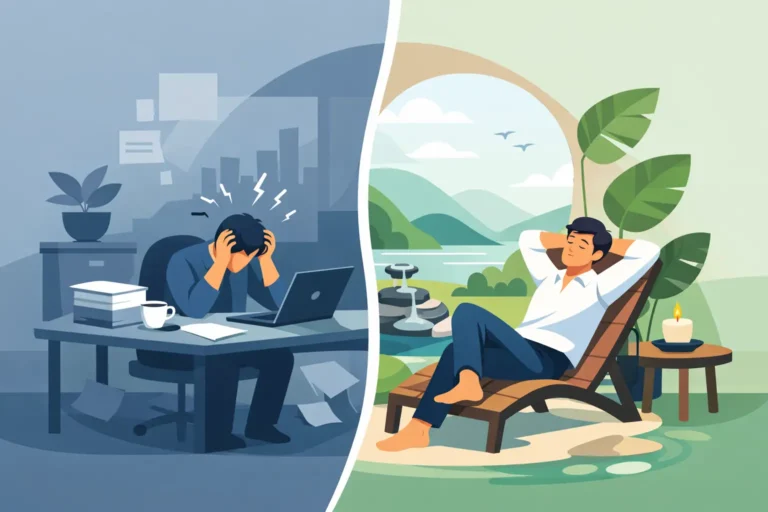
A hotel room can be beautifully designed and still leave a guest depleted. An office can be efficient and still make concentration feel harder than it should. The regenerative wellness future responds to this gap by treating the indoor environment not as a backdrop, but as an active part of how people recover, think, sleep, and feel.
For years, wellness has been largely associated with occasional activities: a spa appointment, a weekend retreat, a workout, or a meditation session. Those rituals still matter. Yet they cannot fully offset the conditions people experience for the other hours of the day. Regenerative wellness shifts the focus toward the spaces where life actually happens – bedrooms, hotel suites, workplaces, treatment rooms, and homes.
Why the regenerative wellness future begins with the room
The modern pace is often described as fast, but the more relevant issue is cumulative. Long workdays, screen exposure, travel, irregular sleep, limited time outdoors, and constant mental switching can gradually reduce the sense of energy and restoration people expect from daily life. Recovery should not be treated as an emergency response after burnout. It should be designed into the environment before exhaustion becomes normal.
This is where regenerative wellness differs from conventional luxury wellness. It is not simply about adding a pleasant scent, soft music, or decorative greenery. It asks a more practical question: what conditions can help the body and mind return to a more balanced state while someone is resting, working, or preparing for sleep?
The answer is rarely one device or one ritual. Better recovery is often supported by a combination of environmental quality, restorative light, consistent routines, movement, nutrition, and appropriate medical care when needed. The value of a well-designed wellness environment is that it can make supportive conditions easier to access every day.
From standalone products to integrated recovery
People do not live in categories. They do not separate breathing, relaxation, sleep, focus, and physical recovery into isolated experiences. A demanding business traveler may need to unwind after a flight, sleep deeply before an early meeting, and remain mentally clear the following day. A family may want a calmer bedroom environment that supports more consistent evening routines. A rehabilitation or wellness center needs tools that feel reassuring and simple for clients while fitting professional operations.
That is why the next generation of wellness is integrated. Instead of asking people to manage a collection of disconnected products, it brings complementary technologies into one intentional setting. Nature-inspired, light-activated air revitalization can be paired with red and near-infrared photobiomodulation to create a more complete recovery experience.
Photobiomodulation uses specific wavelengths of red and near-infrared light in a non-invasive approach that is widely used in wellness and recovery settings. Depending on the device, treatment protocol, and individual context, it may support relaxation, post-exercise recovery, skin vitality, and everyday physical comfort. It is not a substitute for diagnosis or treatment from a qualified healthcare professional, and results vary. That clarity is part of premium wellness: innovation should be inspiring, but never overstated.
When integrated thoughtfully, these technologies move beyond the idea of a single wellness session. They become part of a room’s purpose. The environment can signal that this is a place to settle, breathe more consciously, release the day, and prepare for what comes next.
The value of a sensory reset
The body responds to cues. Bright screens, urgent messages, noise, and rushed transitions tell the nervous system to stay alert. A carefully designed wellness space can offer different cues: comfortable light, a sense of fresh breathing, quiet visual order, and time set aside for recovery.
This does not mean every room needs to resemble a spa. In fact, the strongest designs are often discreet. A premium wellness environment should complement the way people already live and work. It should feel elegant enough for a hotel suite, practical enough for a professional center, and intuitive enough for use at home.
The goal is not to create another task on a crowded wellness checklist. It is to reduce friction. If recovery requires a complicated setup, it will be reserved for rare moments. If it is built into the room, people are more likely to use it consistently.
What this means for hotels, workplaces, and wellness centers
For hospitality leaders, regenerative wellness creates a meaningful distinction. Guests increasingly evaluate a stay by more than location, thread count, or visual design. They want to leave feeling better than when they arrived. A room equipped for rest and recovery can turn an overnight stay into a considered well-being experience, especially for frequent travelers, executives, and health-conscious guests.
The commercial opportunity is not only aesthetic. It lies in creating a credible premium service that meets a real need. A guest who sleeps more comfortably, feels calmer after travel, or has a dedicated moment for recovery may associate the property with better performance and greater care. The experience also provides a clear story for spa packages, premium room categories, corporate retreats, and wellness-focused partnerships.
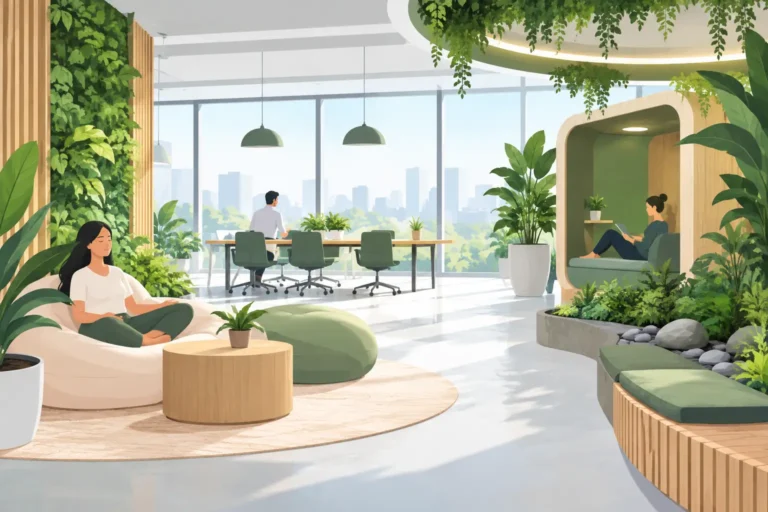
In workplaces, the need is different but equally relevant. Concentration is not infinite. People work more effectively when they have opportunities to reset between demanding tasks. A dedicated regeneration area can support breaks that are genuinely restorative rather than merely distracting. For office managers, that means thinking beyond furniture and square footage toward an environment that respects human energy.
Wellness and rehabilitation professionals can use integrated environments to add depth to client experiences. The priority should remain professional judgment, clear protocols, and realistic communication about potential benefits. Technology can support a wider care experience, but it should never replace individualized assessment or evidence-based treatment.
Designing for real routines, not ideal routines
The most attractive wellness concept can fail if it assumes people have unlimited time. The regenerative wellness future must work for a 15-minute reset between meetings as well as a longer evening recovery ritual. It must be easy for a hotel guest who has never encountered the technology before and flexible enough for a wellness professional who wants to incorporate it into a broader service.
A successful setup begins with the intended use. In a bedroom, the priority may be winding down and creating a consistent pre-sleep ritual. In a hotel, it may be helping guests recover from travel and feel refreshed for the day ahead. In a professional setting, it may be supporting relaxation before or after a treatment. The same technology can serve different purposes, but the experience should be designed around the person using it.
There are trade-offs to consider. A highly customized wellness room may create a stronger impression, but it requires staff training and clear operational standards. A mobile wellness solution offers greater flexibility and can be introduced in multiple rooms or settings, though placement and routine still matter. Businesses should also consider maintenance, guest education, privacy, and the visual fit with the rest of the property.
This is why personalized consulting has real value. The right system is not necessarily the largest or most feature-rich one. It is the one that fits the space, the audience, the service model, and the desired daily behavior.
A more mature view of wellness technology
The future belongs to wellness technology that feels human. People want science, but they also want simplicity. They want credible information, but they do not want to study a manual before they can relax. They value beautiful design, but only when it serves a function.
HealthWise brings this perspective together through environments that combine Forest Air’s nature-inspired air revitalization with Nircura’s red and near-infrared photobiomodulation systems. The concept is designed for modern living, hospitality, and professional spaces where recovery needs to be accessible, refined, and relevant to everyday routines.
The deeper shift is cultural. Wellness is moving away from the idea that people must earn rest after they have pushed themselves too far. Instead, it recognizes recovery as a condition for sustained performance, clearer focus, resilience, and quality of life.
A regenerative space cannot solve every source of stress, and no technology should be presented as a cure-all. But a thoughtfully designed room can make one powerful change: it can give people a reliable place to return to themselves. That may be the most practical promise of the future – not more pressure to optimize, but better environments in which to breathe, restore, and begin again.