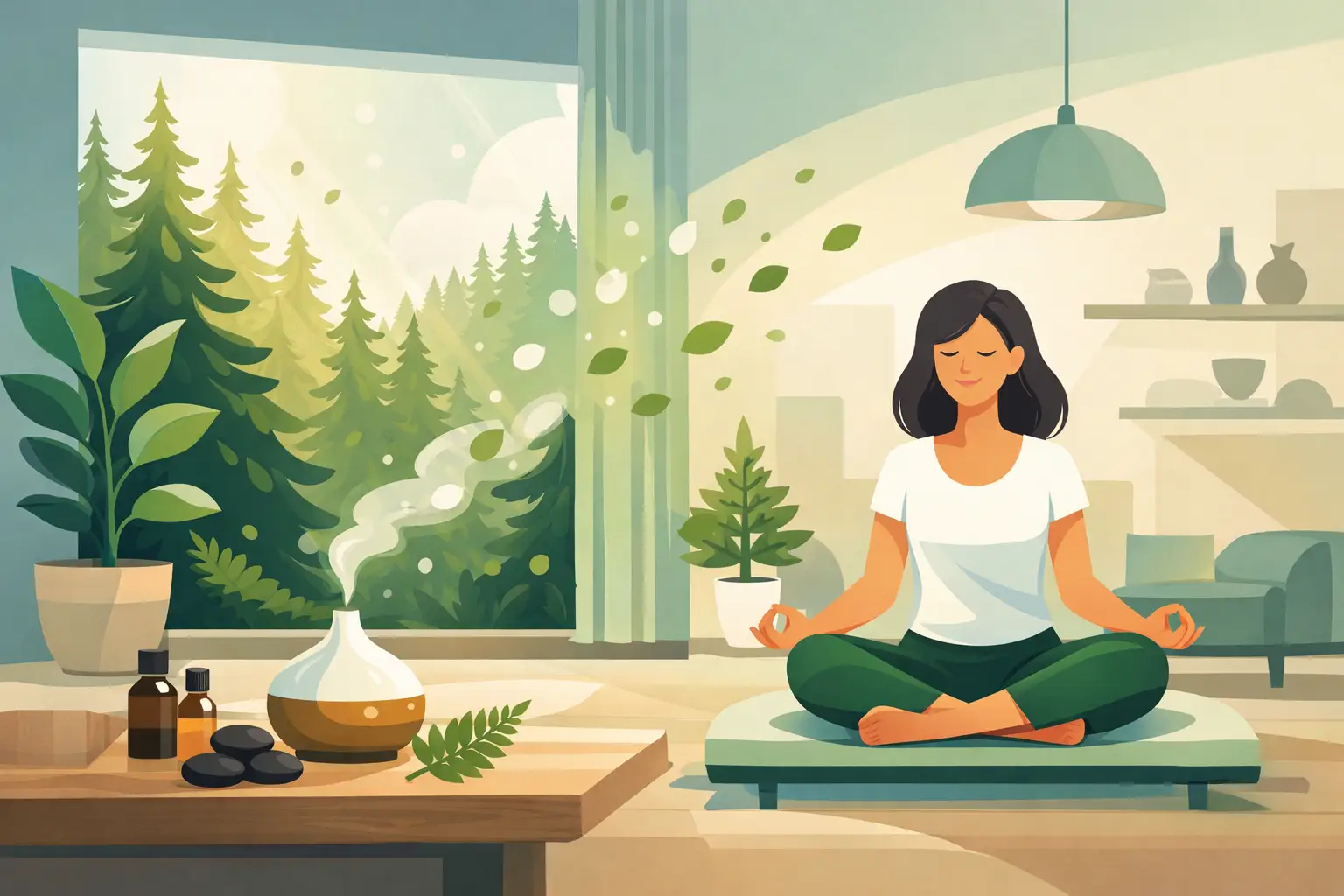
A forest does not feel restorative only because it is quiet. The air itself carries an intricate mix of naturally occurring plant compounds, including phytoncides. So, what are phytoncides indoors? They are volatile organic compounds associated with trees and other plants that may be present in an indoor setting through living greenery, natural materials, or purpose-designed wellness technologies inspired by forest environments.
For homes, hotel rooms, spas, rehabilitation settings, and focused workspaces, the appeal is clear: bring some of the sensory and restorative character of nature into the places where people spend most of their time. The science is promising, but the distinction between a nature-inspired experience and a medical treatment matters.
What phytoncides are and where they come from
Phytoncides are compounds released by plants as part of their natural defense and communication systems. The term is often connected with forest bathing, particularly the Japanese practice of shinrin-yoku. Trees such as pine, cedar, cypress, fir, and spruce are frequently discussed because they release aromatic compounds commonly classified as terpenes, including alpha-pinene, beta-pinene, and limonene.
In a forest, these compounds exist within a changing ecosystem. Temperature, humidity, sunlight, season, tree species, and air movement all influence their concentration. That is one reason no indoor environment can be treated as a perfect replica of a forest.
The phrase “phytoncides indoors” can therefore describe two related, but different, ideas. First, it can refer to the natural presence of plant-derived volatile compounds in an interior space. Second, it can refer more broadly to an indoor wellness approach that aims to evoke the sensory and atmospheric qualities associated with time among trees.
Why people are interested in phytoncides indoors
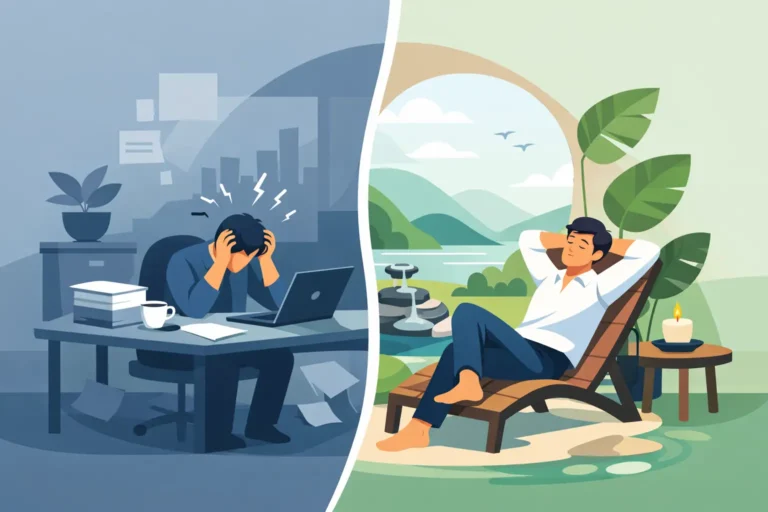
Modern life is largely lived under roofs, often amid artificial light, conditioned air, screens, deadlines, and limited contact with natural settings. For wellness-minded individuals and hospitality professionals, the value of a forest-inspired environment is not merely decorative. It is about creating a place that supports a slower physiological gear shift.
Research on time spent in forest settings has associated exposure to natural environments with lower perceived stress, improved mood, and restorative attention. Some studies have also explored whether forest-derived volatile compounds may contribute to these effects. The results are interesting, especially around relaxation and immune-related markers, but they do not mean that every plant-scented room produces the same outcomes.
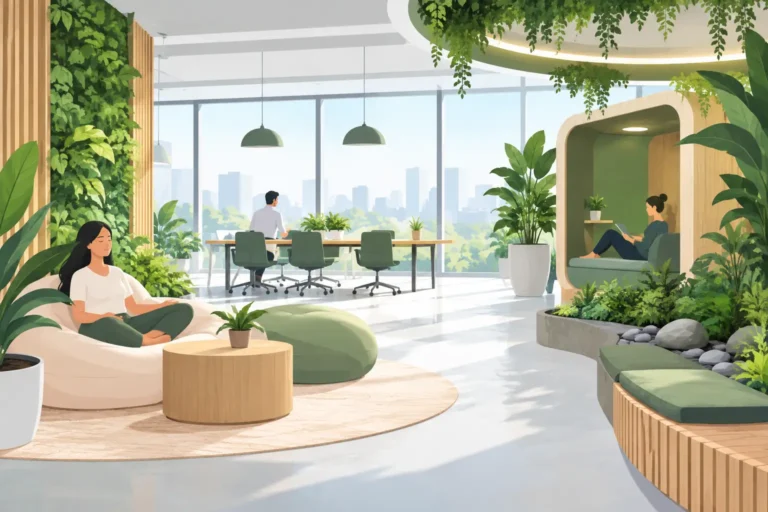
Context is decisive. A calm suite designed for recovery, with thoughtful lighting, low noise, comfortable temperature, and a nature-connected atmosphere is very different from a stressed office where a fragrance is added as an afterthought. Phytoncides may be one part of a broader environmental strategy, not a substitute for sleep, movement, clinical care, or good building management.
The difference between a forest aroma and a phytoncide-rich environment
A woodsy scent can make a room feel more natural, but fragrance alone does not establish that a space contains phytoncides at levels comparable to a forest. Essential oils, scented candles, reed diffusers, and room fragrances may contain some of the same terpene families found in nature, yet their composition, concentration, and delivery are not the same as outdoor forest exposure.
That difference matters for both credibility and comfort. An intense aroma can be distracting rather than calming, particularly for guests or family members who are scent-sensitive. It may also introduce ingredients that are not appropriate for every enclosed environment.
A well-designed nature-inspired indoor setting takes a more considered approach. It prioritizes a clean, comfortable sensory profile and considers the room as a complete system: air, light, sound, material choices, thermal comfort, and opportunities for rest. The goal is not to make an indoor space smell like a forest. It is to make the space feel genuinely easier to inhabit.
What living plants can and cannot do
Living plants add visual softness, biophilic value, and, in some cases, subtle natural aromas. They can help a space feel more alive and may support the emotional benefits people associate with nature indoors. Their contribution will vary widely by species, plant health, room size, ventilation, light conditions, and the number of plants present.
They should not be treated as a precise delivery system for phytoncides. A single houseplant in a large conference room will not reproduce a woodland atmosphere. In hospitality and professional settings, plant selection also requires practical attention to maintenance, moisture, allergies, and guest comfort.
What the evidence supports – and what it does not
The most responsible way to discuss phytoncides is with confidence and restraint. Exposure to forests and other natural environments has a meaningful body of research behind its stress-reduction and attention-restoration potential. Researchers continue to study the role of plant volatile compounds in those experiences.
However, indoor research is more complex. The concentrations of compounds, duration of exposure, delivery method, and quality of the overall environment can differ substantially from an outdoor forest. A positive result in a controlled study does not automatically translate into a guaranteed result in every hotel room, office, spa, or home.
Phytoncide-inspired environments should therefore be presented as non-invasive wellness support. They may help create conditions that feel calmer, more restorative, and more connected to nature. They are not a diagnosis, treatment, or cure for respiratory disease, allergies, insomnia, anxiety, or immune disorders. Anyone with asthma, fragrance sensitivity, chronic respiratory conditions, or specific medical concerns should be especially cautious with airborne aromatic compounds and consult an appropriate clinician when needed.
Designing an indoor environment with intention
For a private residence, the practical question is often simple: does this room help you transition from stimulation to recovery? In a hotel, the question expands: can a guest feel refreshed after travel, sleep more comfortably, and experience something distinct without sensory overload? In a wellness or rehabilitation center, consistency, hygiene protocols, and client tolerance become equally important.
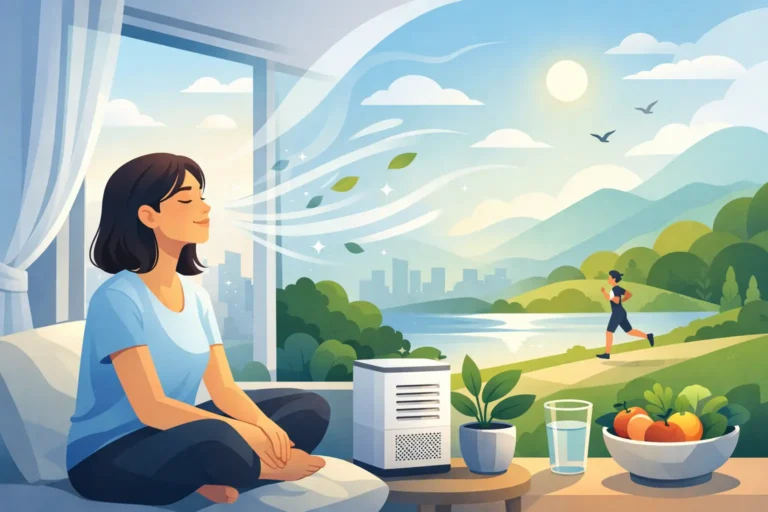
The strongest results tend to come from layered design rather than one feature. Natural textures and greenery can support visual connection to nature. Gentle sound control can reduce cognitive fatigue. Thoughtful lighting can reinforce day-to-evening rhythms. A carefully considered air experience can add another sensory dimension, provided it is comfortable for the people using the room.
This is where premium wellness design becomes more than a collection of devices. HealthWise brings together Forest Air’s nature-inspired, light-activated air revitalization concept with red and near-infrared photobiomodulation from Nircura. These are distinct approaches with distinct purposes: one focuses on the surrounding wellness environment, while the other is designed around light-based support for regeneration and recovery. Their value lies in the coherence of the experience, not in overstating what any single element can do.
Questions to ask before choosing a solution
Before introducing a phytoncide-oriented concept into an interior, ask what is actually being delivered into the space, how it is measured or controlled, and who will use the room. A premium guest suite has different needs from a small treatment room or a family bedroom.
It is also wise to consider operating realities. Can the system be managed consistently? Does the experience remain subtle over time? Is there a clear protocol for people who prefer a low-scent environment? The best wellness environment respects individual sensitivity rather than assuming one sensory setting suits everyone.
A more natural standard for indoor wellness
Phytoncides indoors are best understood as part of a larger shift in how we think about well-being. People no longer want recovery to begin only when they leave for a retreat or schedule an appointment. They want their everyday spaces to contribute to focus, rest, and renewal.
A carefully designed indoor environment cannot replace the forest. It can, however, borrow from what makes the forest valuable: a sense of calm, a connection to living systems, and a break from constant stimulation. When that principle is applied with scientific care and practical restraint, the room itself becomes a more supportive place to breathe, work, rest, and recover.