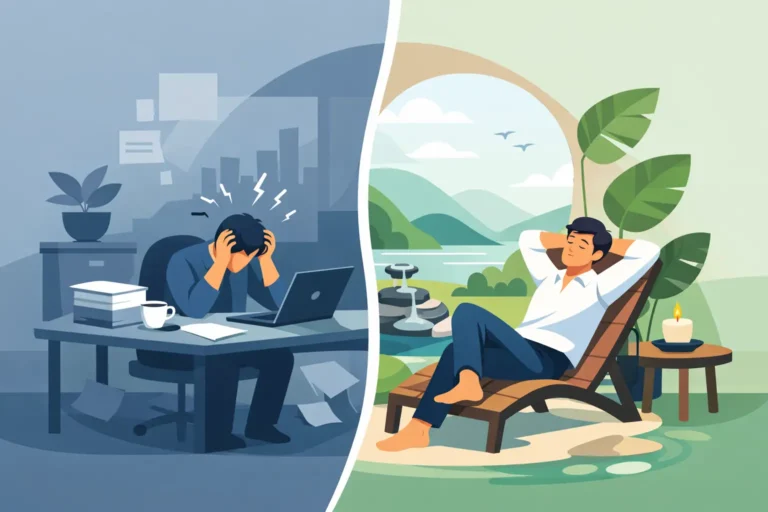
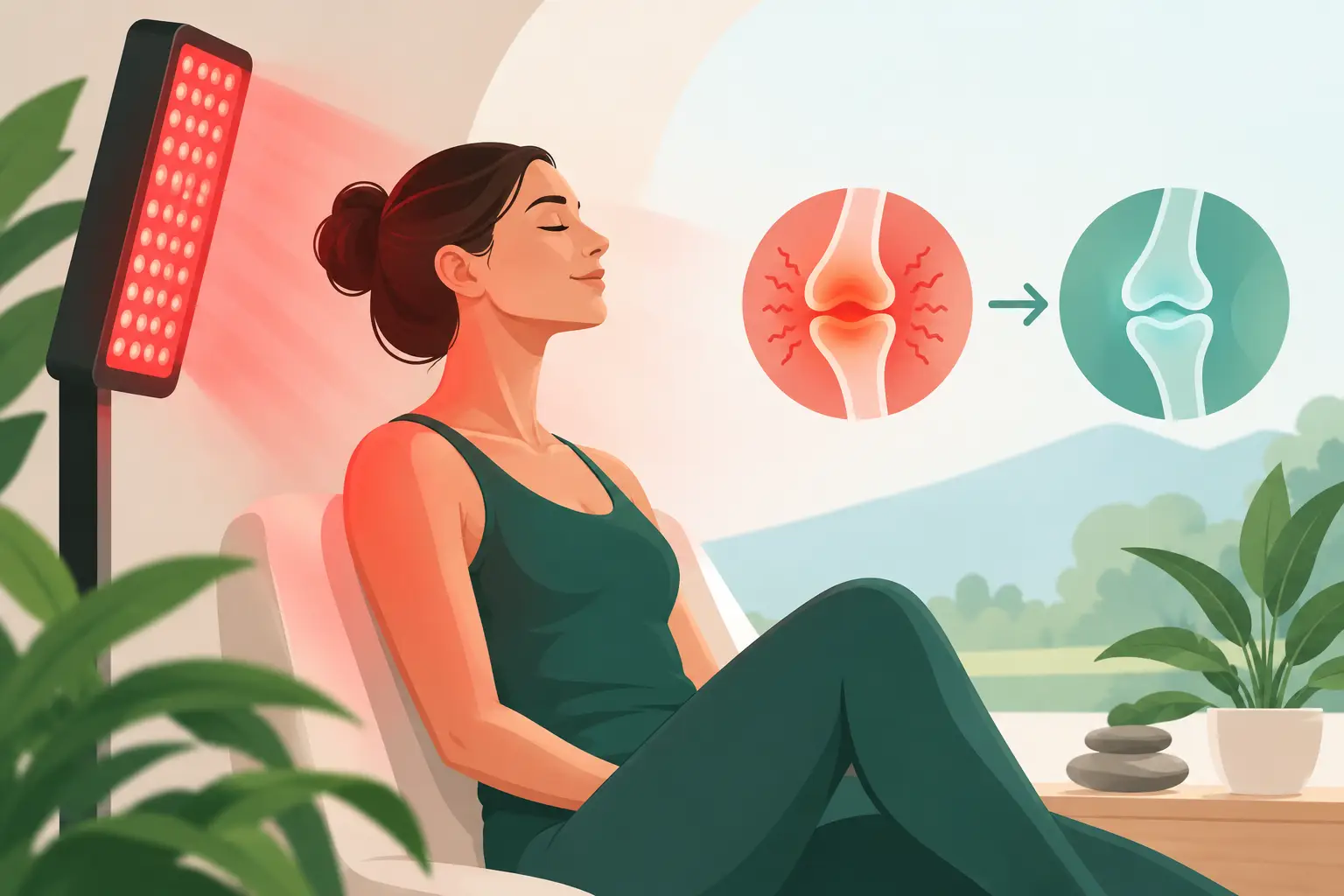
A stiff knee after travel, sore shoulders after a demanding week, or slow recovery after training can all have inflammation in the background. So, does red light reduce inflammation? The evidence suggests that red and near-infrared light may help regulate inflammatory processes and support tissue recovery, particularly when used with appropriate wavelengths, dosing, and realistic expectations.
This is not a shortcut around medical care or a cure for every painful condition. It is a non-invasive wellness technology with a growing research base, valued because it works with the body’s natural cellular processes rather than relying on heat, force, or medication.
Does Red Light Reduce Inflammation in the Body?
Red light therapy, more accurately called photobiomodulation, uses specific wavelengths of red and near-infrared light. Red light generally acts closer to the skin’s surface, while near-infrared light can reach deeper tissues. When these wavelengths are delivered at an appropriate dose, cells can absorb the light energy through structures involved in cellular energy production.
One central target is believed to be the mitochondria, often described as the cell’s energy centers. Light exposure may influence cytochrome c oxidase, support adenosine triphosphate production, and affect signaling molecules such as nitric oxide. In practical terms, this may help cells manage energy demands, circulation, and repair more effectively.
Inflammation is not inherently harmful. It is part of the body’s essential response to injury, infection, and physical stress. The problem is prolonged or poorly regulated inflammation, which can contribute to pain, swelling, restricted movement, and delayed recovery. Photobiomodulation is studied for its potential to modulate inflammatory signaling rather than simply switch inflammation off.
Research has reported changes in inflammatory markers, oxidative stress, local blood flow, and the activity of cells involved in repair. This helps explain why red and near-infrared light are commonly explored for muscle recovery, joint comfort, minor soft-tissue strains, skin support, and rehabilitation settings. Results vary by condition, device quality, treatment protocol, and the individual receiving treatment.
What the Research Means in Everyday Terms
For an active adult, the potential value may be less post-exercise soreness and a more comfortable recovery routine. For a wellness professional or rehabilitation center, it may mean adding a gentle, repeatable modality that complements movement, manual therapy, and recovery plans. In a hotel or premium workplace environment, it can create a practical recovery option for guests and teams affected by travel fatigue, long sitting hours, or high-pressure schedules.
The key word is complements. Red light therapy is best considered part of a wider recovery strategy that includes sleep, balanced nutrition, movement, stress management, and clinical support when needed. A session cannot compensate for persistent overtraining, an untreated injury, or a chronic condition that requires medical evaluation.
It also helps to separate red light therapy from ordinary red-colored lamps or decorative lighting. The therapeutic effect depends on the wavelength, irradiance, treatment area, exposure time, and consistency of the system. A high-quality photobiomodulation device is designed to deliver controlled red and near-infrared wavelengths at a level intended for biological response.
Red Light and Near-Infrared Light Have Different Roles
Red light is often used for concerns closer to the surface, including skin appearance and superficial tissue support. Near-infrared light is invisible to the eye and is generally selected when the goal involves deeper areas, such as larger muscle groups or joints.
For inflammation-related recovery, many professional systems combine both ranges. This approach recognizes that discomfort and tissue stress do not occur in one single layer of the body. A thoughtful protocol may support the surface while also addressing deeper muscular or connective tissues.
That said, deeper penetration does not automatically mean better results. More power or longer sessions are not always beneficial. Photobiomodulation follows a dose-response principle: too little may not create a meaningful effect, while excessive exposure may reduce the desired response. Precision matters.
Where Red Light May Be Most Useful
Red and near-infrared light have the strongest practical appeal when inflammation is linked to everyday physical stress and recovery needs. Common scenarios include muscle soreness after exercise, joint stiffness associated with normal wear and activity, discomfort from repetitive movement, and recovery following non-acute soft-tissue strain.
It may also be useful for people whose schedules make recovery difficult. Frequent travelers, executives, hospitality guests, and office-based professionals often experience a familiar cycle: inadequate rest, extended sitting, disrupted routines, and physical tension that accumulates across the week. A brief, consistent light session can become a valuable pause in that cycle, especially when paired with breathing, hydration, and restorative sleep habits.
For wellness businesses, the experience matters as much as the technology. A client is more likely to use a recovery tool consistently when it feels comfortable, private, and easy to integrate into a visit. This is why HealthWise brings advanced red and near-infrared photobiomodulation into wellness environments designed around calm, regeneration, and practical daily use.
How to Use Red Light Therapy Wisely
Start with the protocol provided for the specific device. Treatment time, distance from the light source, and frequency can differ substantially between panels, beds, masks, and targeted devices. Do not assume that a protocol designed for skin support is automatically right for a large muscle group or joint.
Consistency tends to matter more than intensity. Many people begin with several sessions per week over a few weeks, then adjust according to their goals and response. Track practical indicators such as morning stiffness, perceived soreness, range of motion, sleep quality, and how your body feels during normal activity. This is more useful than expecting a dramatic change after one session.
Use the light on clean, dry skin unless the device manufacturer states otherwise. Thick clothing blocks light, and some topical products may not be appropriate before treatment. Follow eye-safety guidance precisely. Certain systems are designed for use without goggles under defined conditions, while others require eye protection or should not be directed toward the eyes.
When to Seek Medical Guidance First
Red light therapy is generally well tolerated, but non-invasive does not mean universally appropriate. Anyone with a diagnosed inflammatory disease, active cancer, unexplained swelling, severe pain, fever, or a recent serious injury should speak with a qualified clinician before self-treating.
Extra caution is sensible for people who use photosensitizing medications or have a condition associated with light sensitivity. Pregnant individuals should also consult their health professional before using photobiomodulation, particularly over the abdomen. If pain worsens, new symptoms develop, or an area remains inflamed beyond a reasonable recovery period, professional assessment is the right next step.
Why the Whole Environment Matters for Recovery
Inflammation is influenced by more than a single sore area. Stress, poor sleep, sedentary time, environmental discomfort, and inadequate recovery can all shape how the body feels and functions. That is why premium wellness design increasingly looks beyond standalone treatments.
A recovery space can support the nervous system through quiet, comfort, and a deliberate pause from constant stimulation. Red and near-infrared photobiomodulation can fit naturally within that setting, offering a focused regenerative element without making the experience feel clinical or complicated. The goal is not to promise instant transformation. It is to make supportive recovery practices accessible enough to become part of real life.
Frequently Asked Questions
How quickly can red light help with inflammation?
Some people notice temporary comfort or reduced post-exercise tightness after early sessions, but meaningful changes usually depend on regular use over time. The timeline varies with the cause of inflammation, the treatment protocol, and sleep, activity, and health factors outside the session.
Can red light therapy replace anti-inflammatory medication?
No. Do not stop or change prescribed medication without guidance from your clinician. Red light therapy may be used as a complementary wellness tool, but it does not replace diagnosis, medical treatment, or rehabilitation when those are needed.
Is heat required for red light therapy to work?
No. Photobiomodulation is a light-based process, not a heat treatment. A device may feel mildly warm, but the intended effect comes from specific wavelengths and dose rather than high temperatures.
The most valuable recovery practices are often the ones you can return to consistently. Used thoughtfully, red and near-infrared light can give the body a quiet, practical signal that it is time to repair, reset, and prepare for what comes next.