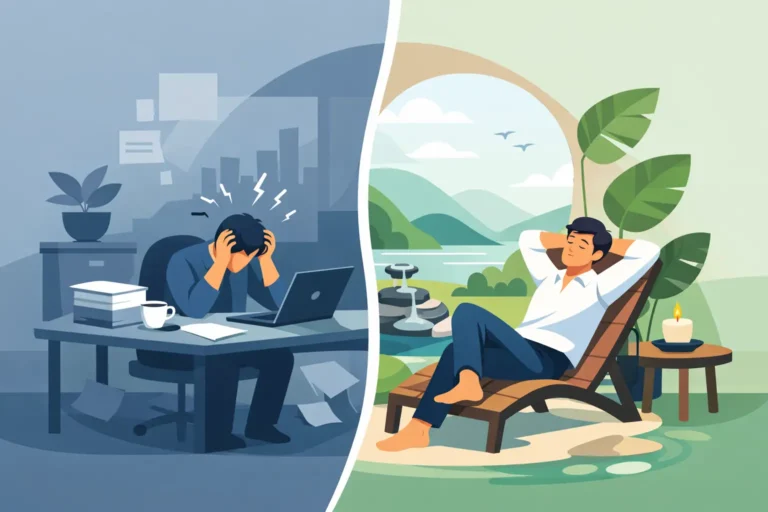

A guest arrives after a delayed flight, an intense client meeting, or a long day of travel. They do not simply need a place to sleep. They need an environment that helps the body slow down, the mind reset, and tomorrow feel more manageable. That is the standard behind how hotels offer in-room wellness: not a decorative promise of relaxation, but a practical recovery experience built into the room itself.
For hospitality leaders, this shift creates a meaningful opportunity. Guests are increasingly selective about where they stay, particularly when business travel, stress, disrupted sleep, and preventive well-being shape their decisions. A room that actively supports rest and recovery can become a reason to return, recommend, and pay a premium.
How Hotels Offer In-Room Wellness Beyond Amenities
Traditional hotel wellness has often lived in a separate part of the property: the spa, fitness center, pool, or restaurant. These spaces still matter, but they depend on time, opening hours, and the guest’s willingness to leave their room. In-room wellness brings supportive elements into the place where guests spend their most private and restorative hours.
This can include sleep-focused lighting, acoustic comfort, supportive bedding, healthy hydration, guided breathing content, and technologies designed to improve the felt quality of the room environment. The strongest concepts do not treat these features as a collection of unrelated extras. They create one coherent experience: a room that feels calm on arrival, supports focus when needed, and encourages deeper rest at the end of the day.
The difference is intentionality. A premium robe or scented bath product may add a pleasant touch, but it does not transform the recovery value of a stay on its own. Wellness becomes more credible when hotel operators consider the conditions that influence how guests breathe, rest, decompress, and prepare for the next day.
Start With the Guest Journey, Not the Equipment
The most effective in-room wellness strategy begins with a clear question: what does this guest need at this moment? A business traveler arriving late has different priorities than a couple on a weekend escape, a guest recovering from physical exertion, or a family managing an unfamiliar sleep routine.
For business-focused properties, the room should support a quick transition from performance to recovery. Guests may need mentally refreshing conditions after meetings, adjustable light for a short work session, and a calmer atmosphere before sleep. In resort, spa, and rehabilitation settings, the emphasis may be more strongly placed on regeneration, relaxation, and sensory comfort.
This does not mean every room needs the same intervention. A flagship suite can serve as a high-visibility wellness showcase, while selected room categories may introduce a more focused offering. Hotels should match the investment to guest profile, rate positioning, stay length, operational capacity, and the broader promise of the property.
Create a Room That Supports the Body’s Recovery Rhythm
Wellness in a hotel room is often experienced before it is explained. Guests notice whether a space feels harsh or calming, stale or revitalizing, clinical or naturally refined. Design, light, sound, temperature, and air quality all contribute to that first impression.
Lighting deserves particular attention. Bright, cool light can help guests orient themselves and work effectively at appropriate times, while warmer, lower-intensity settings can help establish a more restful evening mood. The goal is not to create darkness at all hours. It is to give guests useful control over the atmosphere in which they read, work, relax, and sleep.
Sound is equally influential. Better insulation, quiet ventilation, soft-close fixtures, and thoughtful placement of mechanical systems reduce the small disruptions that accumulate across a night. For urban hotels, this can be a decisive difference. Guests may forgive a compact room, but poor sleep is difficult to overlook.
The air experience also matters. A room should feel fresh, comfortable, and easy to inhabit, particularly for guests who arrive fatigued or spend long periods indoors. Nature-inspired, light-activated air revitalization can be integrated as part of a broader environmental wellness concept, supporting a more restorative sensory experience without turning the room into a medical setting.
Bring Regeneration Into the Private Guest Space
One of the most compelling developments in hospitality wellness is the move from passive comfort to accessible regenerative tools. Red and near-infrared photobiomodulation is increasingly relevant in this context because it offers a non-invasive approach that can support recovery, relaxation, and everyday vitality.
In a hotel setting, the guest experience must remain simple. Technology should not demand a lengthy tutorial or create uncertainty. A well-designed system is intuitive, elegant, and paired with concise guidance: what it is, when a guest may wish to use it, and how it fits into a short evening or morning routine.
For example, a guest may use a red and near-infrared light session after a demanding day of travel, following exercise, or before winding down for the evening. The hotel should avoid exaggerated promises and instead communicate responsibly about supportive wellness benefits. This protects guest trust while positioning the property as knowledgeable, modern, and genuinely attentive to recovery.
HealthWise brings this approach together by combining Forest Air’s light-activated air revitalization with Nircura’s red and near-infrared photobiomodulation systems. The result is not simply a device placed in a room. It is a mobile wellness environment designed to make advanced recovery feel natural, practical, and premium.
Make Wellness Easy to Use and Easy to Understand
A feature that is difficult to operate will not deliver value, no matter how advanced it is. Hotels should design the guest interaction with the same care they apply to check-in, bedding, and room service.
The best guidance is brief and benefit-led. A small in-room card, a clear control interface, or a welcome message can explain a suggested routine in everyday language. Rather than overwhelming guests with technical specifications, communicate the immediate value: take a few quiet minutes after travel, create a calmer pre-sleep setting, or support a more refreshed start to the morning.
Staff education is equally important. Front desk, guest relations, spa, and housekeeping teams should understand the purpose of the wellness environment and know how to answer basic questions. They do not need to act as clinicians. They do need to speak confidently, accurately, and without making medical claims.
Design for Operations, Not Just First Impressions
In-room wellness has to work after the launch event. Hotel leaders should consider cleaning procedures, durability, electrical requirements, guest safety, room turnover, maintenance responsibilities, and the training required for consistent service.
A beautiful concept that adds friction for housekeeping or creates frequent technical support requests will struggle to scale. This is why integrated systems often make more sense than a patchwork of standalone products. The room should remain visually calm and operationally manageable while delivering a distinctive guest benefit.
Measurement also matters. Hotels can track booking behavior for wellness-enabled rooms, guest comments, repeat stays, average daily rate, spa engagement, and direct feedback about sleep, comfort, and perceived recovery. Not every benefit will be captured by one metric, but clear operational data helps distinguish a passing trend from a valuable long-term investment.
Position Wellness as Part of Hospitality Value
The commercial potential of in-room wellness lies in relevance, not novelty. Guests do not need another gadget competing for attention. They value experiences that solve a real problem: feeling depleted after travel, struggling to rest in an unfamiliar place, or needing to maintain personal well-being during a demanding schedule.
For luxury hotels, wellness-enabled rooms can reinforce a premium rate and sharpen the property’s identity. For business hotels, they can differentiate the stay by supporting focus and recovery between meetings. For spa resorts and rehabilitation centers, they can extend the therapeutic atmosphere beyond scheduled treatments.
The right solution depends on the property, but the direction is clear. The hotel room is becoming more than a place to stay overnight. When its environment is designed with care, it can give guests something increasingly rare: a private space that helps them feel restored before they step back into the pace of life.