
A tight chest before a presentation, a stuffy hotel room after travel, or shallow breathing at the end of a demanding day can change how the whole body feels. Understanding how breathing supports respiratory comfort starts with a simple truth: breathing is not only about oxygen. Its rhythm, depth, mechanics, and surrounding environment all influence whether the body feels settled or strained.
For people who value preventive wellness, respiratory comfort is worth designing for. A calm, well-supported breathing pattern can help reduce the sense of air hunger that often accompanies stress, encourage physical relaxation, and make rest feel more restorative. It is not a substitute for medical care, especially when symptoms are persistent or severe. It is, however, a practical foundation for everyday well-being.
How Breathing Supports Respiratory Comfort Every Day
The respiratory system works continuously, but it does not work in isolation. The diaphragm, rib cage, nervous system, posture, sleep quality, hydration, and air conditions all affect the experience of breathing. When any of these factors are compromised, people often compensate with faster, shallower breaths or increased upper-chest movement.
That pattern can become self-reinforcing. Rapid breathing may be appropriate during exercise or a genuine threat, but during desk work, travel, or stress it can signal to the nervous system that the body still needs to stay alert. The result may be tension in the neck and shoulders, a dry throat, frequent sighing, or the unsettling feeling that a full breath is difficult to achieve.
Slower, more deliberate breathing creates a different signal. A gentle inhale and a slightly longer, unforced exhale can support the parasympathetic nervous system, the branch associated with rest and recovery. As the body shifts away from a high-alert state, the muscles around the chest, shoulders, and abdomen may release some of their tension. Breathing can feel easier not because the lungs have been forced to work harder, but because the body is no longer resisting the breath.
This is why respiratory comfort should be considered part of the wider recovery environment. The goal is not to chase unusually deep breaths. The goal is an easy, quiet, natural pattern that the body can sustain.
The Mechanics of a More Comfortable Breath
A comfortable breath usually begins low in the torso. The diaphragm, a dome-shaped muscle beneath the lungs, moves downward during inhalation and allows the lower ribs and abdomen to expand gently. On exhalation, it relaxes and the body returns naturally.
Stress can pull breathing upward into the upper chest. This is common and not inherently harmful, but when it becomes the default pattern, the accessory muscles of the neck and chest do more work than necessary. For many people, simply noticing where breath movement occurs is a useful starting point.
Try sitting with both feet supported and the jaw relaxed. Place one hand lightly on the upper chest and the other below the rib cage. Breathe in quietly through the nose if that is comfortable, allowing the lower hand to move first. Then let the exhale leave without pushing it out. A modest pause before the next breath is fine if it happens naturally.
The emphasis matters. Overly forceful breathing exercises can produce lightheadedness, tingling, or more discomfort, particularly for people prone to anxiety or hyperventilation. Gentle and regular is generally more useful than dramatic and intense.
Why the Exhale Deserves Attention
A longer exhale is often the most accessible way to create a calmer breathing rhythm. For example, an inhale of about three or four counts followed by an easy exhale of four to six counts may help some people slow down without effort. The numbers are not a rule. Comfort is the measure.
For a hotel guest arriving after a long flight, an executive resetting between meetings, or a parent winding down after a busy evening, two to five minutes of this practice can create a noticeable transition. It gives the nervous system a clear cue that the next task is recovery, not performance.
The Environment Around the Breath Matters
Breathing comfort is shaped by the room as much as by the technique. Dry air can irritate the nose and throat. Excessive warmth may make sleep feel heavier. Stale-feeling spaces can encourage people to open their mouths and take faster breaths, even if they are not consciously aware of it. Fragrance, dust, smoke, and other irritants can also matter, particularly for people with allergies or sensitive airways.
A thoughtful wellness environment considers sensory load alongside respiratory ease. Comfortable temperature, balanced humidity, clean textiles, reduced irritants, restful lighting, and the opportunity for quiet all contribute to a setting where the breath can settle. These details are especially relevant in bedrooms, recovery rooms, spa settings, executive offices, and hospitality spaces where people expect to restore energy.
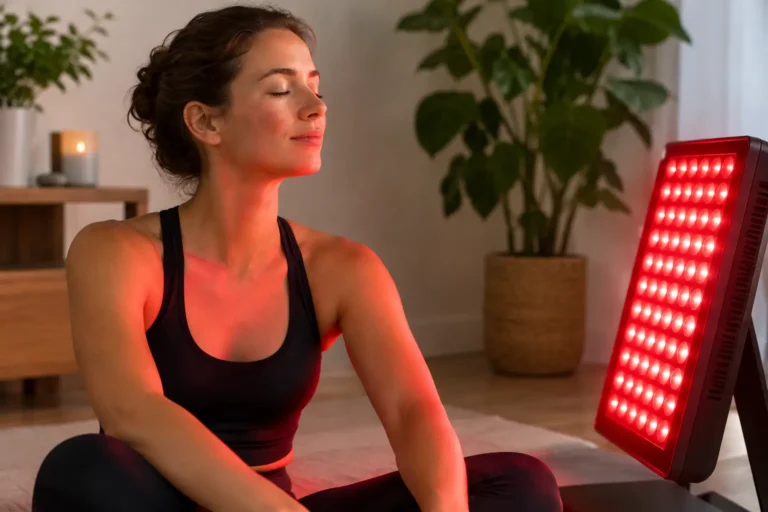
HealthWise approaches this experience as an integrated environment rather than a collection of separate wellness rituals. Nature-inspired, light-activated air revitalization can be paired with red and near-infrared photobiomodulation to support a space that feels calmer and more recovery-oriented. The technologies address different aspects of well-being: one centers on the quality of the surrounding environment, while the other is designed to support regeneration through light-based wellness applications.
The distinction is important. No room technology replaces clinical treatment for asthma, chronic obstructive pulmonary disease, infection, sleep apnea, or an allergic emergency. Yet creating conditions that make relaxation, nasal breathing, and restorative sleep more achievable can be a meaningful part of a broader wellness strategy.
Posture, Movement, and Nasal Breathing
A breathing practice does not need to happen on a meditation cushion. It can begin with how a person sits at a desk or stands between appointments. A collapsed position can limit rib movement and put pressure on the abdomen, while a rigidly upright posture can create unnecessary muscular effort. The useful middle ground is supported and relaxed: feet grounded, spine long without strain, shoulders soft, and ribs free to move.
Movement also matters. A short walk, gentle chest opening, or slow shoulder roll can interrupt the stillness that leads to shallow breathing. In professional environments, these small resets are realistic. They do not require changing clothes, reserving a room, or adding another demanding item to the schedule.
When the nose is clear and breathing through it feels comfortable, nasal breathing can help warm and humidify incoming air. It also tends to encourage a quieter, more measured rhythm. But it is not a performance standard. Seasonal allergies, congestion, structural differences, and respiratory conditions can make nasal breathing difficult. Forcing it can increase distress, so the practical choice is always the one that allows calm, easy airflow.
Respiratory Comfort at Night
Sleep is where respiratory habits and environmental conditions become especially visible. A room that feels too warm, dry, bright, or mentally stimulating can make it harder to settle into a consistent rhythm. That may lead to more mouth breathing, restlessness, or waking with a dry throat.
A reliable evening sequence can help. Lower stimulating light, step away from intense work before bed where possible, and take several unhurried breaths while lying in a supported position. Side sleeping may feel more comfortable for some people, while others benefit from a slight elevation of the upper body. Personal comfort, health history, and professional medical advice should guide these choices.
For hotels, wellness centers, and high-end residential spaces, this creates a clear opportunity. Guests and clients increasingly judge a restorative space by more than its appearance. They notice whether they can decompress, sleep deeply, and wake feeling less burdened by the day. Designing for respiratory comfort makes the promise of wellness tangible.
When Breathing Discomfort Needs Medical Attention
Wellness practices can support daily comfort, but they should not minimize warning signs. Sudden or severe shortness of breath, chest pain, blue or gray lips, fainting, confusion, wheezing that is worsening, or swelling of the face or throat requires urgent medical assessment. Ongoing breathlessness, nighttime symptoms, chronic cough, or a new decline in exercise tolerance also deserves a conversation with a qualified healthcare professional.
For people managing diagnosed respiratory or cardiac conditions, breathing exercises and wellness technologies should complement, not alter, the care plan provided by their clinician. The most premium wellness environment is one that respects both natural recovery and appropriate medical boundaries.
A calmer breath is often built through small, repeatable conditions: less tension, better posture, a quieter rhythm, and a space that supports rather than distracts from recovery. When those conditions become part of a daily environment, respiratory comfort stops being an occasional exercise and becomes a more natural way to feel at ease.
By HealthWise Team