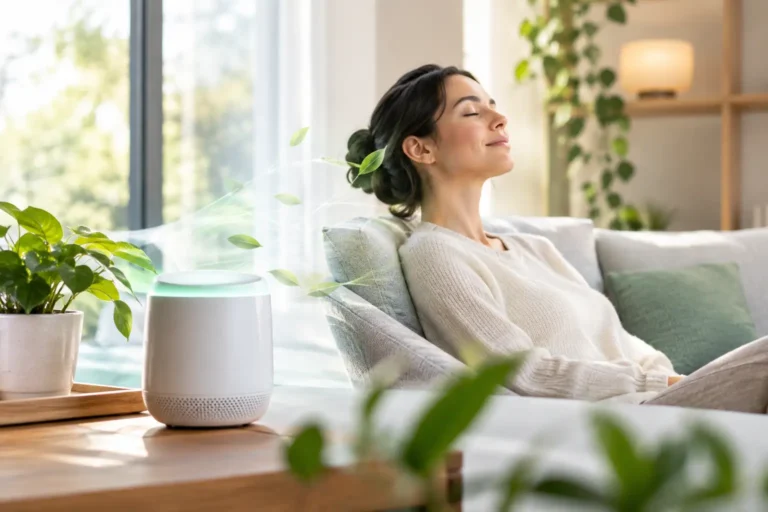
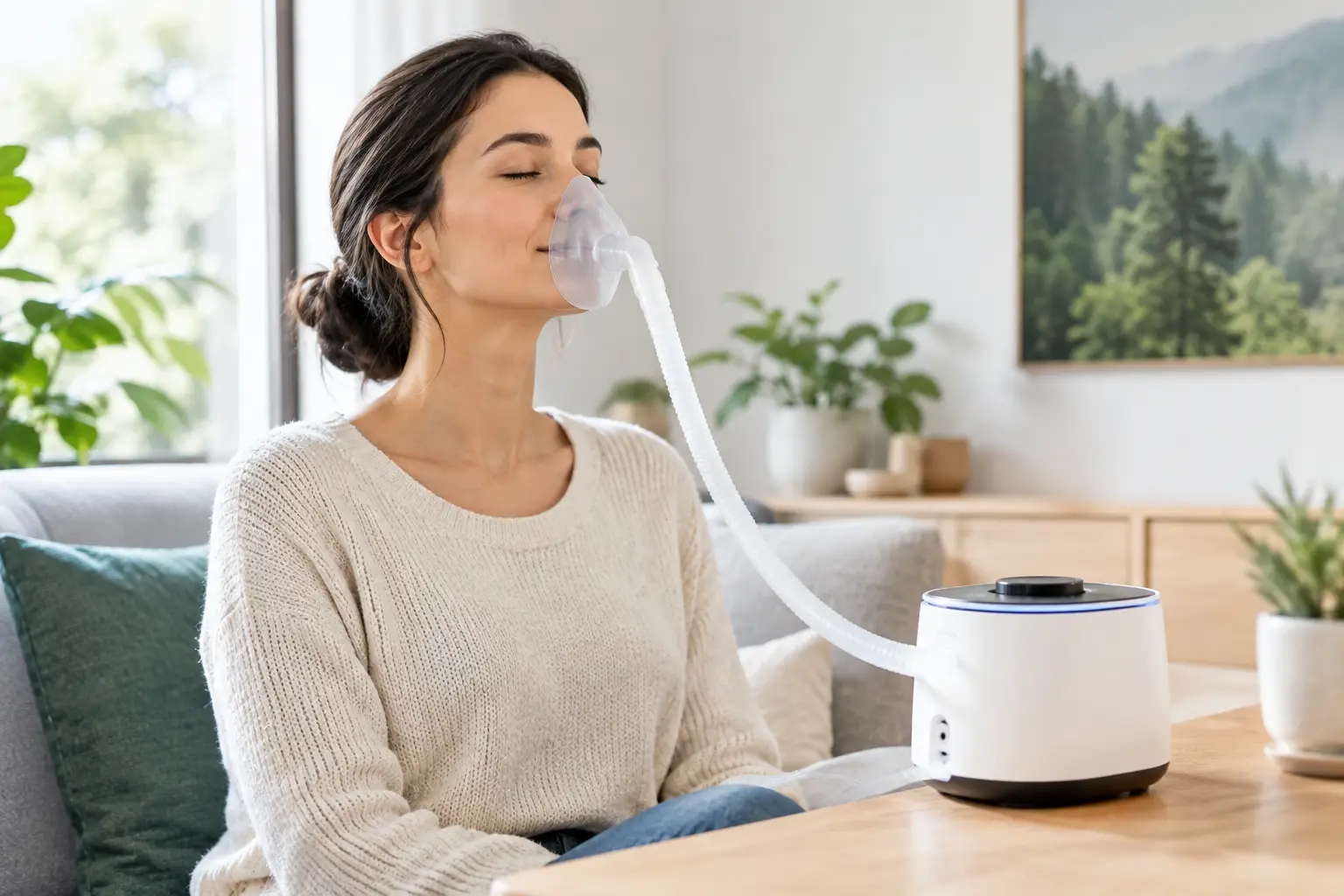
A wellness room can look immaculate and still feel tiring after an hour of work, travel, treatment, or poor sleep. That gap between appearance and how a space is experienced is why an indoor breathing therapy system review should look beyond a device’s finish, size, or headline promise. The real question is whether the system helps create a setting where people can slow their breathing, feel more comfortable, and make recovery a more natural part of the day.
For a private residence, hotel room, spa, or executive workspace, this is not a small decision. A premium wellness system becomes part of the environment people return to repeatedly. It should be credible, quiet, intuitive, and appropriate to the level of care your space intends to offer.
What an Indoor Breathing Therapy System Is Meant to Do
An indoor breathing therapy system is best understood as an environmental wellness solution designed to support a more restorative indoor experience. Depending on its technology, it may use nature-inspired air revitalization approaches, controlled light activation, ambient design, and complementary recovery tools to create a space that feels more supportive of calm, focused breathing.
That distinction matters. A serious system is not simply an object placed in a room. It is part of a broader wellness environment that considers how a person arrives, settles, breathes, rests, and recovers. In hospitality, that can improve the perceived quality of a stay. In a wellness practice, it can make a treatment room feel more intentional. At home, it can establish a dedicated zone for decompression after demanding days.
The strongest concepts do not ask users to learn a complicated ritual. They make healthy pauses easier to take. A person should be able to enter the room, sit comfortably, breathe naturally, and feel that the environment is working with them rather than asking for effort.
The Criteria That Matter Most in a Review
A useful review starts with purpose. Someone managing seasonal respiratory discomfort has different priorities from a hotel operator creating a premium in-room recovery experience. A spa owner may value session flow and client perception, while a family may focus on ease of use and everyday comfort.
Still, several criteria apply almost everywhere.
Comfort comes before spectacle
The best wellness technology fades into the experience. Noise, harsh lighting, complicated controls, and intrusive maintenance all work against relaxation. Assess whether the system can operate discreetly in the background and whether its visual presence matches the room.
This is especially relevant in bedrooms, suites, and treatment spaces. A device that is technically impressive but disrupts sleep, conversation, or a massage session will struggle to become part of a regular routine.
Ask for clarity about the technology
Terms such as air revitalization, light activation, and regenerative wellness should be explained in plain language. A credible provider can describe what the technology is designed to do, how it is used, what practical outcomes users may notice, and where the limits are.
Claims deserve proportion. Indoor wellness systems may support relaxation, comfort, sleep routines, and a sense of respiratory ease for some users, but they should not be presented as a replacement for medical diagnosis, medication, or clinical care. Individuals with persistent breathing symptoms, significant allergies, or chronic health conditions should seek appropriate guidance from a qualified healthcare professional.
A thoughtful supplier will welcome these questions rather than hiding behind vague scientific language.
Consider the full sensory environment
Breathing is not isolated from the rest of the nervous system. Light, temperature, visual calm, sound, scent policies, seating, and privacy all influence whether a person can truly settle. This is why standalone wellness products can feel incomplete when placed in an otherwise overstimulating room.
Integrated environments have an advantage when they are designed with restraint. Nature-inspired air revitalization can complement red and near-infrared photobiomodulation, for example, because one supports the atmosphere of the room while the other focuses on a distinct recovery-oriented modality. The value is in thoughtful coordination, not in filling a space with technology.
Indoor Breathing Therapy System Review: Evidence and Expectations
The most responsible way to evaluate an indoor breathing therapy system is to separate measurable specifications from personal outcomes. Specifications can include room suitability, operating noise, energy requirements, installation needs, maintenance intervals, safety information, and the manufacturer’s method for verifying performance. These should be documented clearly.
Personal outcomes are more variable. Some people may value a more calming bedtime ritual, better concentration during focused work, or the feeling of a fresher, more restorative room after travel. Others may notice little difference unless the system is used consistently and the space itself supports rest.
For business buyers, a short on-site trial can be more valuable than a polished demonstration. Use the intended room, at the intended time of day, and involve the people who will actually operate it. In a hotel, that may include housekeeping and guest-experience teams. In a wellness center, include practitioners as well as clients. Their feedback will reveal whether the system fits real operations.
Do not confuse a pleasant first impression with proof of a health outcome. At the same time, do not dismiss comfort simply because it is subjective. In premium wellness, a consistent feeling of calm, care, and environmental quality is a meaningful outcome in its own right.
Installation and Maintenance Decide Long-Term Value
A system that fits beautifully into a concept board can become a burden if it demands constant intervention. Before purchasing, establish who will install it, who will maintain it, what consumables or service appointments are required, and how quickly support is available if an issue occurs.
Ask direct questions about daily operation. Can staff learn the controls in minutes? Does the system need to be moved between rooms? Is there a recommended schedule for guest rooms, recovery lounges, or private use? A premium experience depends on consistency, and consistency depends on operational simplicity.
Design integration should also be considered early. In a modern hotel suite, wellness technology should feel considered rather than improvised. In a private home, it should suit the rhythm of daily life, not claim an entire room unless that is the intended purpose. Portable solutions can offer flexibility, while fixed installations may deliver a more refined, permanent experience. Neither is automatically better. The right choice depends on space, frequency of use, and the level of service expected.
When an Integrated Wellness Environment Makes Sense
There is a point at which individual devices stop delivering the experience a client or business wants. A recovery-focused suite, premium spa room, executive lounge, or home wellness corner often benefits from a coherent approach rather than separate products competing for attention.
This is the principle behind HealthWise: combining Forest Air’s nature-inspired, light-activated air revitalization with Nircura’s red and near-infrared photobiomodulation technology in one environment. The approach is especially relevant for people who value non-invasive recovery practices and want wellness to be practical enough for repeated use.
The trade-off is that integrated systems require more careful planning. Placement, user education, interior design, and service standards need to align. But when they do, the room feels more complete. Instead of asking guests or clients to understand several technologies, the environment communicates one clear promise: this is a space designed for restoration.
Questions to Ask Before You Buy
The right provider should be able to answer practical questions without hesitation. Ask how the system is matched to room size and intended use. Ask what users should realistically expect in the first week and after regular use. Ask for maintenance responsibilities, safety guidance, warranty terms, training options, and the support process for commercial installations.
For hotels and wellness professionals, also ask how the system supports the guest or client journey. Can it be introduced as part of a recovery ritual? Does it add work for staff? Is the experience distinctive enough to justify premium positioning? These questions connect technology to commercial value without reducing wellness to a marketing feature.
For households, consider whether everyone can use the system comfortably and whether it fits into a calm, repeatable routine. A wellness investment earns its place when it is used, not when it is admired from across the room.
A well-chosen breathing therapy system should make restoration feel more available in the places where life already happens. Give priority to credible guidance, sensory comfort, and a design that invites daily use. The most valuable system is the one that quietly turns an ordinary room into a place people genuinely want to return to.