
A workplace wellness technology guide should begin with a reality many leaders recognize: people do not leave stress at the entrance. They bring it into meetings, screens, shared spaces, and long workdays. A thoughtful wellness environment cannot remove every pressure, but it can give the body more favorable conditions to reset, concentrate, and recover.
For offices, hotels, rehabilitation settings, and professional wellness spaces, the question is no longer whether well-being matters. It is whether the environment actively supports it. The right technology should feel natural in use, credible in its purpose, and refined enough to belong in a premium setting.
What Workplace Wellness Technology Should Actually Do
Workplace wellness technology is often reduced to apps, step challenges, or occasional relaxation initiatives. Those can have a place, but they rarely change the conditions people experience throughout the day. Environmental wellness works at a deeper level because it addresses the setting itself: the quality of the air, the sensory atmosphere, access to restorative light, and the opportunity to pause without leaving the building.
The most valuable systems are not designed to create another task for employees or guests. They are designed to make restoration easier. This matters in high-performance settings, where people may be motivated and successful but still carry accumulated fatigue, poor sleep, mental overload, or discomfort associated with long periods indoors.
A well-chosen solution can support four practical outcomes: a calmer atmosphere, better conditions for mental focus, a more intentional recovery routine, and a visible commitment to preventive well-being. The balance among these outcomes depends on the space. A hotel may prioritize guest recovery and differentiation, while an office may focus on concentration, stress management, and employee experience.
Start With the Human Need, Not the Device
The first decision is not technical. It is operational. Ask what people need from the space at the moments they use it.
In an office, a compact regeneration area can offer employees a quiet reset between demanding tasks. In a hotel, an in-room or private wellness experience may help guests decompress after travel, meetings, or training. A spa or rehabilitation center may want a complementary, non-invasive modality that fits naturally into an existing care and recovery journey.
This distinction prevents a common mistake: buying impressive equipment without defining how it will be used. A technology that is scientifically interesting but inconvenient to access, difficult to explain, or visually out of place will quickly become underused.
Consider the flow of the day. Who will use the technology? Will sessions happen before work, during breaks, after physical activity, or as part of a treatment protocol? Is privacy essential? Will staff need to guide the experience? Clear answers make the selection process more precise and protect the investment.
Air Revitalization and Light-Based Recovery
Two categories deserve particular attention when creating a more regenerative environment: nature-inspired air revitalization and red and near-infrared photobiomodulation.
Nature-Inspired Air Revitalization
The experience of breathing in a natural environment often feels noticeably different from spending hours in a closed, artificial setting. Nature-inspired, light-activated air revitalization is designed to bring elements of that restorative feeling into modern interiors. Its role is not to turn a workplace into a forest. Its role is to create a more considered atmosphere for breathing, pausing, and feeling refreshed.
For workplace leaders, the value is practical. Air-centered wellness can become part of a dedicated recovery zone, executive suite, hospitality room, or treatment environment without demanding extensive behavioral change from the user. It supports the idea that well-being begins with the quality of the space around us, not only with what we do after work.
When evaluating an air revitalization solution, ask how the system works, what the intended user experience is, what maintenance is required, and how it fits within the room’s design and operational routine. Transparent education is essential. Premium wellness should never depend on vague promises.
Red and Near-Infrared Photobiomodulation
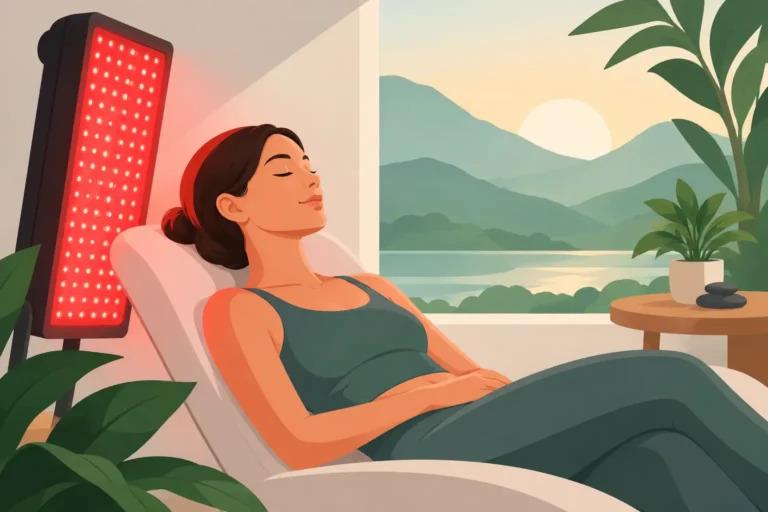
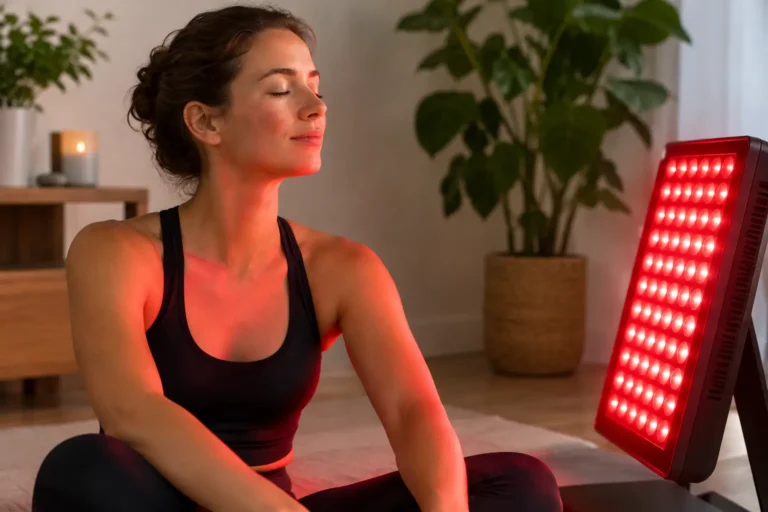
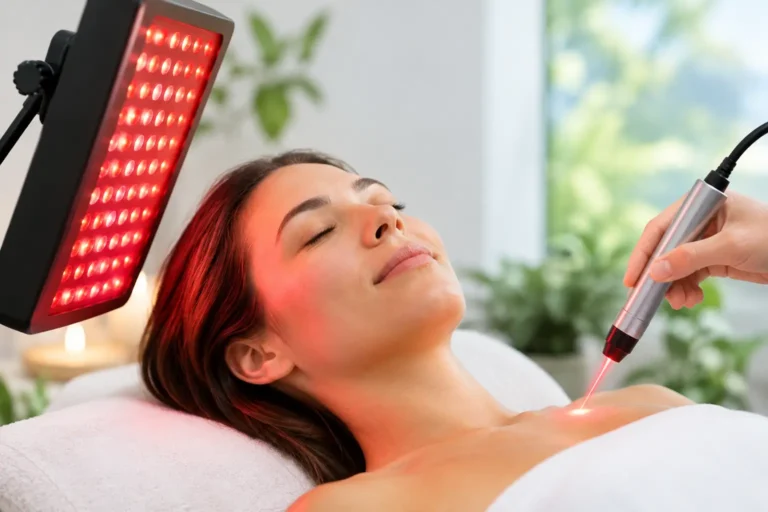
Photobiomodulation uses specific wavelengths of red and near-infrared light in a non-invasive format. These wavelengths are studied for their interaction with cellular processes involved in energy production and recovery. In practical wellness settings, red and near-infrared light can be positioned as a supportive tool for relaxation, regeneration, and recovery routines.
The distinction between red and near-infrared light matters. Red light is commonly associated with more surface-level applications, while near-infrared light reaches deeper into tissue. The appropriate approach depends on the device, the intended use, session timing, and the needs of the individual.
Avoid presenting photobiomodulation as a replacement for medical assessment, treatment, sleep, movement, or sound workplace practices. It is most compelling as part of a broader well-being strategy. For a hotel guest, that may mean a restorative evening ritual. For a busy professional, it may mean a short, consistent session that marks a transition from high output to recovery.
Designing a Workplace Wellness Technology Program
The strongest programs combine environmental quality with a simple, repeatable experience. They do not ask people to become wellness experts. They provide a clear invitation: step into a space, breathe, rest, and use the technology with confidence.
Choose the Right Setting
Location shapes adoption. A recovery area hidden in a back corridor may protect privacy, but it may also reduce use. A space placed near a gym, spa, executive floor, or quiet lounge can feel more intuitive. In offices, acoustic comfort and a sense of separation from daily activity are often as important as the technology itself.
The room does not need to be large. It needs to be intentional. Comfortable seating, considered lighting, discreet instructions, and a clean visual language can turn a small area into a high-value amenity.
Create a Simple User Protocol
People are more likely to return when they understand what to do and what to expect. Keep instructions concise: recommended session length, appropriate positioning, frequency of use, and any relevant precautions. Staff should be able to explain the experience in straightforward language without overstating health outcomes.
For example, a workplace recovery protocol may be designed around short sessions during a lunch break or after an intensive meeting block. A hotel protocol may focus on evening wind-down or post-travel restoration. Consistency matters more than complexity.
Build Safety and Suitability Into the Process
Every technology requires responsible use. Photobiomodulation systems should include clear guidance for people with relevant medical conditions, photosensitivity concerns, or questions about medication interactions. When uncertainty exists, the appropriate step is to consult a qualified healthcare professional.
Decision-makers should also evaluate device quality, operating standards, staff training, cleaning requirements, warranties, and provider support. Lower upfront cost can become expensive if a system is difficult to maintain or fails to earn user trust.
Measure What Matters
Wellness investments are easier to defend when their purpose is defined before installation. Not every outcome needs to be clinical to be meaningful. Utilization rates, repeat bookings, guest feedback, employee satisfaction, perceived stress, and interest in wellness amenities can all reveal whether the space is delivering value.
For hospitality businesses, a distinctive wellness experience can strengthen brand perception and encourage return visits. For offices, it can support a more thoughtful employee experience, particularly in organizations competing for skilled talent. For wellness professionals, it can expand the quality and range of services offered to clients who want natural, technology-supported recovery.
Do not expect one room or one device to transform culture overnight. The better question is whether the environment gives people a credible, accessible way to care for their energy while they are already at work, traveling, or receiving services.
A More Complete Standard for Wellness Spaces
Standalone products can be useful, yet they often ask users to assemble their own wellness routine. A more complete approach brings complementary elements together: the atmosphere people breathe in, the light they use for recovery, and the calm surrounding the experience.
HealthWise reflects this integrated direction by pairing Forest Air’s light-activated air revitalization with Nircura’s red and near-infrared photobiomodulation technology. The value is not simply having two technologies in one room. It is creating an environment where modern science and nature-inspired restoration support one another in a practical, elegant format.
The most successful workplace wellness spaces will not feel like a corporate obligation or a decorative trend. They will feel like a considered pause built into the rhythm of real life – a place where better recovery becomes easier to choose.