
A demanding workday can leave the body tired long after the calendar is cleared. For people who prioritize recovery, performance, and healthy aging, photobiomodulation benefits offer a practical way to support the body without adding another invasive procedure or complicated ritual. Using carefully selected red and near-infrared light, photobiomodulation is becoming a valued part of premium wellness spaces, rehabilitation settings, and intentional home routines.
The appeal is simple: light is delivered to the body in a controlled way, with the goal of supporting natural cellular processes linked to energy production, circulation, and recovery. The reality is more nuanced. Results depend on the light wavelengths, dose, consistency, the area being treated, and the individual’s needs. When those elements are thoughtfully aligned, photobiomodulation can become a credible complement to sleep, movement, nutrition, and professional care.
What Is Photobiomodulation?
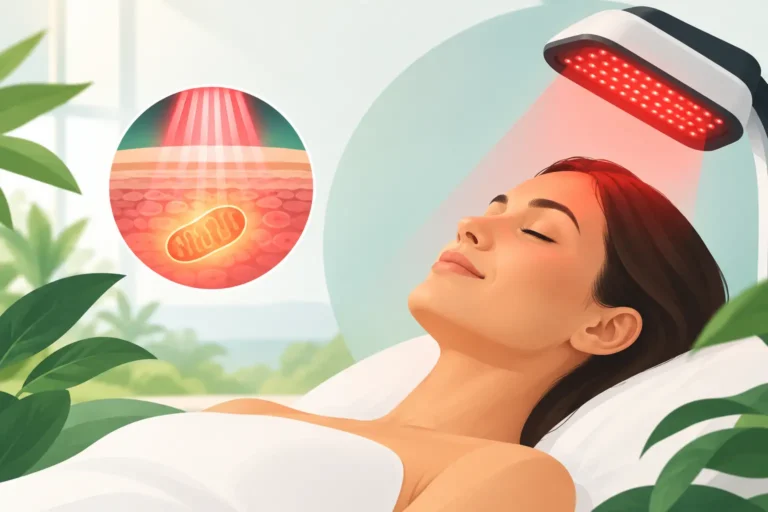
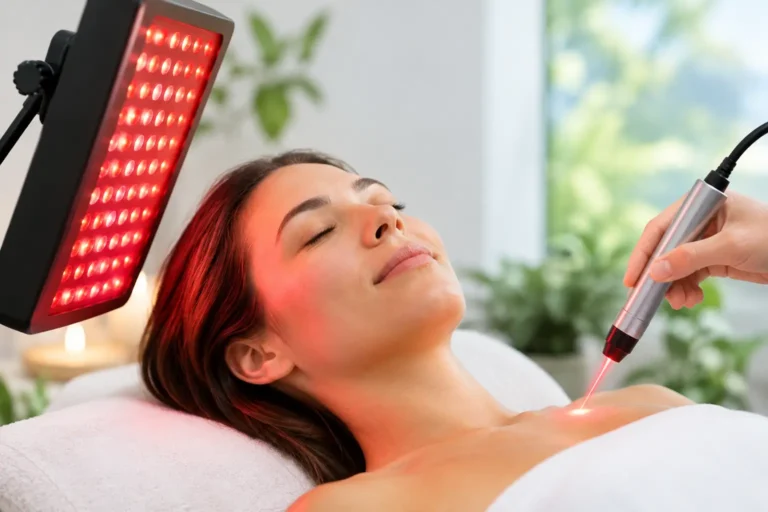
Photobiomodulation, often called PBM or red light therapy, uses non-ionizing red and near-infrared light to influence biological activity in tissue. Red light generally works closer to the skin’s surface, while near-infrared light reaches deeper tissues. Unlike ultraviolet exposure, these wavelengths are not intended to tan or damage the skin.
At the cellular level, light energy is absorbed by photoacceptors, including components associated with mitochondria. Mitochondria produce adenosine triphosphate, or ATP, which cells use as energy. Researchers are studying how PBM may influence ATP production, nitric oxide signaling, oxidative balance, inflammation pathways, and local blood flow.
This mechanism helps explain why PBM is being explored across several areas of wellness and recovery. Still, PBM is not a replacement for medical diagnosis, treatment, medication, physical therapy, or sleep. It is best understood as a supportive technology that may help the body do what it is designed to do: repair, adapt, and restore.
The Most Meaningful Photobiomodulation Benefits
Supporting muscle recovery and physical resilience
Exercise, travel, extended standing, and repetitive work can all create muscular fatigue. One of the most recognized photobiomodulation benefits is its potential role in post-exercise recovery. By supporting local circulation and cellular energy processes, PBM may help reduce the feeling of soreness and support a more comfortable return to activity.
For athletes, the value may be in maintaining a consistent training rhythm. For busy professionals or hotel guests, it may be about feeling less depleted after a long flight, a conference day, or hours at a desk. The outcome will vary, but the practical advantage is clear: recovery can be integrated into the environment rather than reserved for an occasional appointment.
Promoting skin vitality and tissue support
Red light is widely used in aesthetic and wellness applications because of its relationship with skin-level processes. Research suggests that appropriately delivered red light may support collagen-related activity and circulation, which can contribute to a healthier-looking, more even, and revitalized appearance over time.
This is not an instant cosmetic fix. Skin changes gradually, and meaningful routines require patience. PBM tends to work best when it is part of a broader approach that includes sun protection, hydration, quality sleep, and appropriate professional skincare. For wellness centers and hospitality spaces, it offers a non-invasive experience that feels both restorative and visibly relevant.
Helping the body transition toward rest
Recovery is not only physical. The ability to shift out of a high-alert state matters just as much. A calm evening routine with gentle red light may support relaxation by creating a lower-stimulation environment than the blue-rich light emitted by many screens and bright indoor fixtures.
PBM should not be presented as a cure for insomnia, especially when sleep problems are persistent or severe. Yet for people whose sleep is affected by travel, irregular schedules, stress, or excessive evening screen exposure, a deliberate wind-down practice can be valuable. The technology becomes part of a larger signal to the body that the active portion of the day is ending.
Supporting comfort in everyday movement
Many adults are not recovering from an athletic event. They are managing the accumulated strain of modern life: a stiff neck after video calls, tired legs after travel, or general discomfort after a demanding week. PBM may support comfort in soft tissue and joints by influencing local circulation and inflammatory signaling.
This is where realistic expectations matter. Persistent, worsening, or unexplained pain needs clinical assessment. But for ordinary recovery needs, photobiomodulation can be a useful, low-disruption addition to stretching, strength work, posture changes, and appropriate guidance from a qualified health professional.
Supporting mental clarity through better recovery conditions
There is no single light session that substitutes for sleep, a balanced workload, or stress management. However, people often experience better focus when their recovery routine is more consistent. A calmer body, fewer distractions from muscular tension, and a stronger evening routine can improve how prepared someone feels for the next day.
For offices, educational environments, and executive wellness spaces, this is an important distinction. The goal is not to promise instant cognitive transformation. It is to create conditions that support sustained performance: reduced overload, intentional pauses, and recovery tools that fit real schedules.
Why Device Quality and Dose Matter
More light is not automatically better. PBM follows a dose-response relationship, meaning too little energy may not create a meaningful effect, while excessive exposure may be less useful or uncomfortable. Irradiance, treatment time, distance from the device, wavelength selection, and treatment frequency all shape the dose.
A well-designed system should provide clear parameters rather than vague promises. It should use wavelengths appropriate for the intended application and make consistent use practical. This matters especially in professional settings, where guests and clients expect wellness technology to be elegant, understandable, and responsibly implemented.
The difference between a casual light source and a dedicated PBM system is not only brightness. It is the ability to deliver targeted wavelengths and a repeatable protocol. For a spa, rehabilitation center, hotel, or private wellness room, that consistency turns a novel experience into a credible part of a recovery offering.
Making PBM Part of a Realistic Routine
The best routine is one that people will actually maintain. A short, regular session is generally more useful than occasional overuse. Many people choose morning sessions to support readiness before activity, while others prefer late afternoon or early evening sessions as part of a transition into recovery. The right timing depends on personal response and the intended purpose.
Start with the manufacturer’s instructions for distance, duration, and eye-safety guidance. Avoid treating a session as a reason to ignore hydration, movement, nutrition, or rest. PBM works most naturally when it is integrated with these foundations.
For wellness professionals and property managers, placement matters as much as protocol. The experience should feel easy to access and intuitive to use. A private recovery corner, a dedicated treatment room, or a carefully designed in-room wellness environment can encourage clients to use the technology consistently rather than viewing it as a one-time novelty.
HealthWise approaches this opportunity as part of a complete wellness environment, pairing advanced red and near-infrared photobiomodulation with restorative conditions designed for modern living. That broader view recognizes a simple truth: recovery is shaped by the tools we use and the spaces where we use them.
Who Should Use Extra Caution?
Photobiomodulation is non-invasive, but non-invasive does not mean universally appropriate without consideration. People who are pregnant, have a known light sensitivity, use photosensitizing medication, have active cancer, or have a medical condition affecting the eyes or skin should consult a qualified clinician before beginning a PBM routine.
People with ongoing pain, neurological symptoms, significant sleep disruption, or respiratory concerns should also seek professional evaluation rather than relying on a wellness device alone. Responsible wellness supports informed choices. It does not make medical claims beyond the available evidence.
The strongest value of photobiomodulation is not that it promises a dramatic transformation overnight. It is that it offers a refined, repeatable way to make recovery more present in daily life, whether the day happens in a hotel suite, a workplace, a treatment center, or at home.